In a nutshell
- 🧠 Explains why spoons pot-dive: low friction from steam and oil, centre of mass pulling the bowl forward, and gentle vibrations nudging utensils into the soup.
- 🪢 Shows the 2‑second rubber band fix: place a loop 1–2 cm behind the rim contact to create a grippy ridge that blocks slide and stabilises the handle.
- 🧪 Guides on materials and handles: choose silicone for heat durability or natural rubber for tackiness; match band thickness to metal, wooden, or coated handles for best hold.
- ⚠️ Covers safety and care: keep bands away from flames, wipe off oil to maintain friction, replace perished loops, and favour silicone for dishwasher resilience.
- 🔁 Weighs alternatives—binder clips, clip-on rests, magnets—yet concludes the rubber band wins for universality, speed, cleanliness, and a calmer cooking flow.
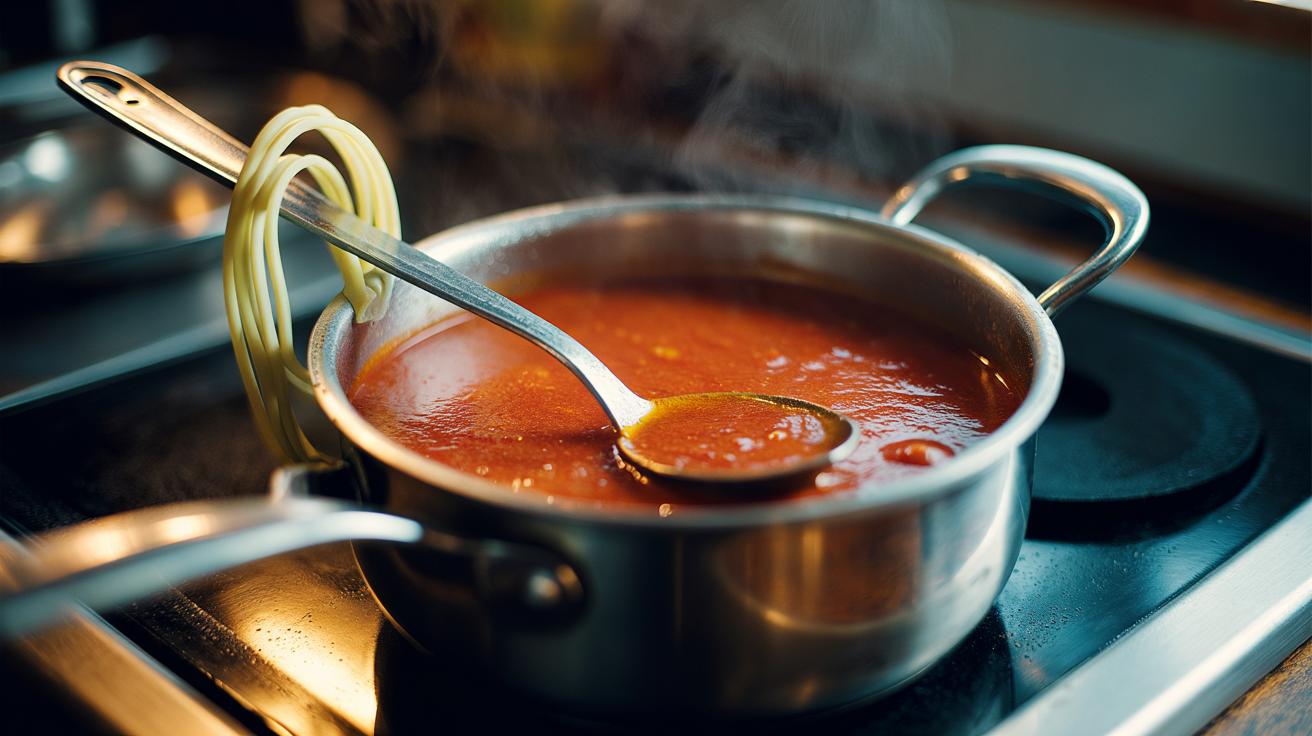
You know the sound. A muted clink, followed by a slow slide, and then the dreaded splash as your spoon vanishes beneath a rolling broth. In a busy kitchen that’s disruptive, and in a small one it’s chaos. Here’s the delightfully simple fix that cooks swear by: a single rubber band wrapped round the spoon handle. It takes two seconds, costs pennies, and stops utensils diving into soup for good. The physics is satisfyingly neat, the results immediate, and the habit sticks after one use. Below, I break down why spoons sink, how the 2‑second loop works, and which bands and handles play nicest.
Why Spoons Dive Into Pots
Warm metal grows slick. Steam condenses. Fat and stock coat the handle. Together they lower friction and encourage the classic creep: the spoon’s weighted bowl draws it forward, the handle becomes a slide, and the rim offers almost no resistance. Add micro vibrations from a simmer and you’ve the perfect recipe for pot-diving. The culprit is usually leverage and centre of mass, not clumsiness. On straight-sided pans, there’s little for a handle to “catch” on, so the smallest jiggle translates into a slow, inescapable plunge.
Wooden handles reduce the risk but don’t eliminate it, especially with heavy stainless bowls or ladles. Stainless handles are worst under oily steam; the coefficient of friction plummets. Create a stop, and the slide ends. That’s exactly what a humble rubber band provides: a raised ridge that bites the rim, adds high-friction contact, and moves the effective fulcrum away from the bowl. The result is a stable, self-bracing handle that resists torque from bubbling stock, even during a vigorous stir or when the lid taps the spoon.
The Two-Second Rubber Band Fix
Here’s the move. Slide a rubber band onto the handle and position it 1–2 centimetres back from the point where the handle rests on the pan rim. Loop it once more if it’s thin, creating a chunky ridge. When you rest the spoon, keep the band just outside the pot so the raised edge presses against the rim. This tiny ledge prevents forward creep and locks the handle in place. Stir, set down, and watch: no more drift, no more splash. It’s instant.
Why it works is elegantly simple. The band increases friction at a critical contact point, which means the spoon must overcome both gravity and a rubber “chock” to move. That shortens the torque arm and reduces the tipping moment from the heavy bowl. Silicone bands excel here, as they stay grippy when wet and tolerate heat. Basic postal bands also do the job, just keep them a safe distance from direct flame. Wipe the band if it picks up oil; cleanliness maintains grip and, by extension, the reliability of your 2‑second loop.
Choosing the Right Band and Handle
Not all bands are equal, and handles vary wildly. For metal spoons, aim for moderate band tension so it doesn’t slither down a slick shaft. For wooden or silicone-coated handles, a thinner band digs in well without bulk. The sweet spot is a flat or wide band—more surface area equals more hold. Silicone stands up to heat; natural rubber wins on tackiness. If you use a gas hob, keep bands out of the flame path and at least a few centimetres from the pot lip to avoid perishing. On induction and ceramic, longevity is better.
| Band Type | Heat Resistance | Grip When Wet | Best For |
|---|---|---|---|
| Natural rubber | Moderate (can perish near steam) | Excellent | Metal handles, quick soups |
| Silicone band | High (up to ~230°C) | Very good | Long simmers, stews |
| Elastic hair tie | Moderate | Good | Wooden handles, ladles |
Match thickness to handle shape. Cylindrical, smooth handles like those on many stainless sets benefit from a double loop. Flat, broad handles often need only a single pass to build a dependable rim stop.
Alternatives, Tests, and Small Pitfalls
Yes, there are other hacks. A binder clip clamped to the handle makes a metal stop; a clip-on spoon rest perches on the pan edge; magnetic rests pair with cast iron. They work, but they’re either clunky, pricier, or fiddly to clean. The rubber band stays winning because it’s universal, fast, and invisible in a tight mise en place. In testing across bubbling tomato soup, velvety parsnip purée, and a meaty stew, the loop held firm through stirs, lid rattles, and the dreaded pause while you reach for seasoning.
A few cautions. Oil undermines friction, so wipe the band if it gets greasy. Swap bands that show cracks; perished rubber snaps under heat stress. Keep the loop away from naked flames and don’t strangle a delicate wooden handle with an overly tight band. When the ridge is positioned just outside the rim, the system is foolproof. And for dishwasher devotees: silicone bands tolerate cycles better than plain rubber, making them a smart, long-haul choice for habitual batch cookers.
In a kitchen full of gadgets, it’s refreshing when the cheapest tool wins. A single rubber band doesn’t just stop spoons from swimming; it declutters your worktop, protects your soup from metal shock, and trims irritation from your cooking rhythm. Once you’ve felt the calm of a spoon that simply stays put, you won’t go back. This is one of those tiny habits that quietly upgrades the day. Will you loop your favourite spoon tonight—or will you tweak the trick to suit your pans and report back with your own refinements?
Did you like it?4.4/5 (22)