In a nutshell
- 🍇 Use frozen grapes to chill wine quickly without dilution, preserving aroma, body, and balance for a cleaner, brighter sip.
- ❄️ Prep like a pro: choose firm, seedless grapes, wash and dry thoroughly, freeze flat, then add 1–4 per glass to fine-tune temperature and maintain flavour.
- 🍷 Pair smart: crisp whites and rosé love 2–3 green grapes; light reds get 1–2 red/black grapes; sparkling needs just one small grape; avoid over-chilling aged whites and big tannic reds.
- 🧪 The science: grape skins act as a barrier while internal ice absorbs heat; sugars lower freezing point, enabling steady cooling that protects delicate aromatics.
- 📋 Practical wins: no watery puddles, no off-odour ice, fewer spills, and a tasty, wine-kissed snack—plus guidance on ideal serving temperatures for each style.
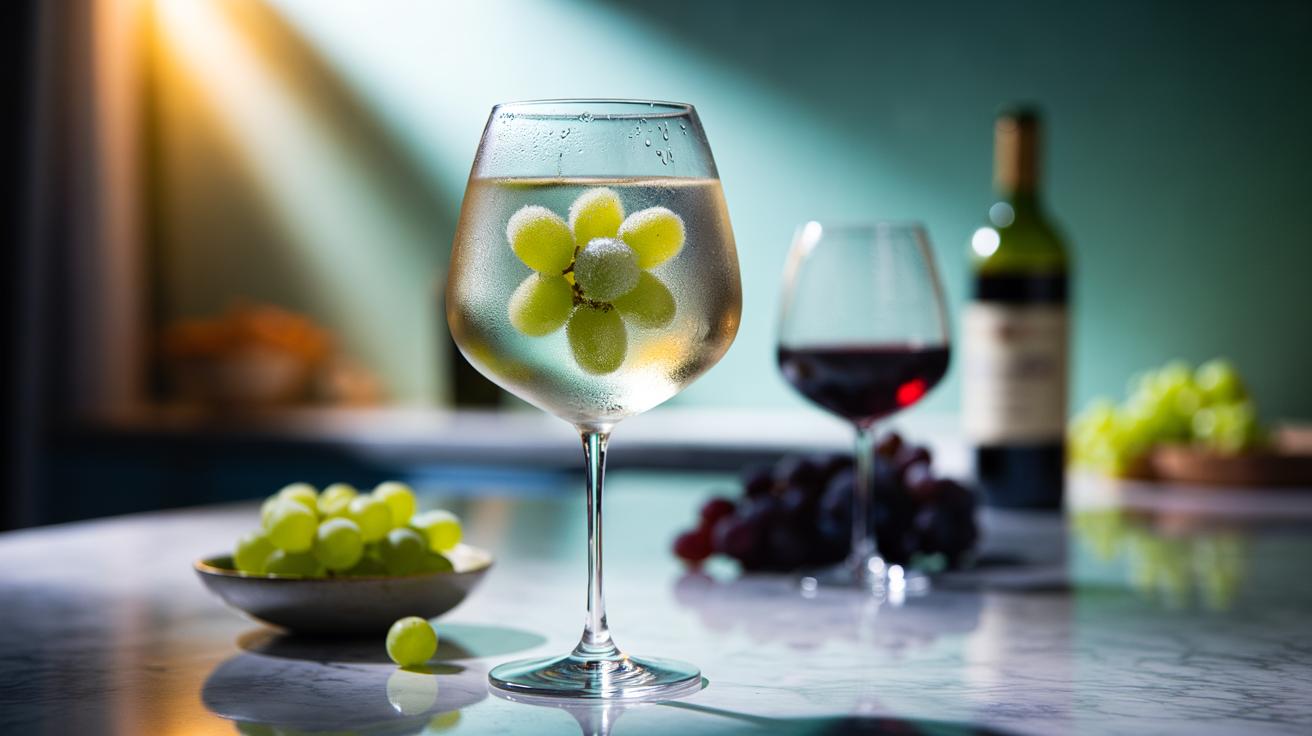
Stale ice cubes are the saboteurs of a well-earned glass. They melt, they dilute, and they bully your wine’s delicate edges into blandness. Enter the quiet genius of frozen grapes: tiny, edible chillers that drop the temperature without sacrificing structure, aroma, or balance. Slide two or three into a glass of Sauvignon Blanc and the citrus pops; nestle a few in Pinot Noir and the red fruit stays bright. No dilution, no compromise. Quick to freeze, effortless to serve, and visually irresistible, this is the neatest home hack since the reusable coffee cup. Here’s why it works, how to do it, and when to use it best.
Why Frozen Grapes Beat Ice Cubes
Ice is the blunt instrument of chilling. It smashes temperature fast, then rewards you with watery wine. Frozen grapes behave differently. Their skins act like natural membranes, containing meltwater so it doesn’t leak into your drink. The result is a steady temperature drop without the creeping dilution that thins body and flattens flavour. Think of each grape as a mini cold pack, sized for a stemmed glass and engineered by nature to be drip-resistant. The grape chills the wine, not the other way around.
The effect is surprisingly elegant. One or two grapes cool a 150 ml pour by a few degrees in minutes; three or four will hold the chill through a leisurely conversation. Because there’s no added water, alcohol balance and mouthfeel remain intact, preserving the wine’s intended shape. Aromas ride along unruffled. Citrus in white, cherry in red, strawberry in rosé—everything stays precise. And when you reach the end? You get a lightly wine-kissed snack, not a puddle.
How To Freeze and Use Grapes Like a Pro
Start with firm, ripe, seedless grapes. Wash thoroughly, de-stem, and pat completely dry—surface moisture forms ice crystals that glue grapes together. Spread in a single layer on a lined tray and freeze until solid, about two to three hours, then transfer to an airtight bag. Label by colour if you like pairing by hue. Drying well and freezing flat are the two non-negotiables for perfect texture.
Serving is simple. Chill your bottle in the fridge first; grapes are for fine-tuning, not emergency resuscitation. Drop in two grapes for a delicate white, up to four for warmer rooms or sturdier styles. Aim for the rim, not the base, to avoid splashes and lost bubbles in sparkling wines. Use green grapes for whites and rosé to keep visuals clean; red or black grapes look handsome in lighter reds served cool. If the pour warms up, add one more grape—small corrections beat big swings. When you’re done, rinse, refreeze, repeat.
Pairing Grapes With Wine Styles
Match colour, weight, and chill ambition. Crisp whites—Albariño, Pinot Grigio, Sauvignon Blanc—love a quick, tidy cool-down that sharpens citrus and saline edges. Rosé is flexible; two grapes keep strawberries bright without numbing the floral lift. Light reds, from Beaujolais to Pinot Noir, benefit from a gentle chill that tames alcohol and lifts red fruit. Sparkling wines prefer minimal disturbance—one small grape lowers the temperature without knocking out mousse. Keep the goal in mind: brighten, don’t blunt. Avoid highly aromatic, aged whites and powerful, tannic reds; over-chilling can mute complexity or make tannins feel rigid. For dessert wines, use just one grape—sugar already lowers freezing point, so temperature moves faster than you think.
| Wine Style | Ideal Serving Temp | Frozen Grape Color | Grapes per 150 ml |
|---|---|---|---|
| Crisp Whites (Sauvignon, Albariño) | 7–10°C | Green | 2–3 |
| Rosé (Dry) | 8–10°C | Green | 2–3 |
| Light Reds (Beaujolais, Pinot Noir) | 12–14°C | Red/Black | 1–2 |
| Sparkling (Non-Vintage) | 6–8°C | Green, small | 1–2 |
| Sweet/Dessert | 6–8°C | Green | 1 |
The Science Behind the Chill
This simple trick works because of thermal mass and structure. A frozen grape is mostly water, but that water is locked inside plant cells wrapped by a skin. As the grape warms, it absorbs heat energy from the wine to melt its internal ice, yet the skin slows exchange—cooling the wine while keeping meltwater out. There’s more. Sugars in grapes slightly depress freezing point, so a grape begins softening before it turns to slush, which smooths temperature transfer and avoids shocking delicate aromatics. Steady cooling preserves perfume.
Temperature is flavour’s volume knob. Cooler wine tightens acids, reins in sweetness, and calms alcohol volatility; warmer wine amplifies aroma but risks flabbiness. Frozen grapes let you nudge that balance with finesse, not force. Because there’s no added water, body and glycerol-driven texture remain true to style. You also get practical upsides: no clouding, no chipped glassware from clumsy cubes, no off smells from stale freezer ice. For the cautious, test with a half pour, adjust grape count, then commit to the full glass.
In a summer garden or a cramped flat, the frozen grape remains the neatest fix for wine served just a touch too warm. It’s quick, attractive, and kind to flavour, inviting precision rather than panic chilling in the freezer. Keep a bag ready and you’re insured against last-minute guests and heatwaves alike. The rule is simple: chill the wine, not the taste. What will you try first—green grapes in a zesty white, or deep purple pearls in a lightly chilled red—and how will you tailor the count to your favourite glass?
Did you like it?4.5/5 (26)