In a nutshell
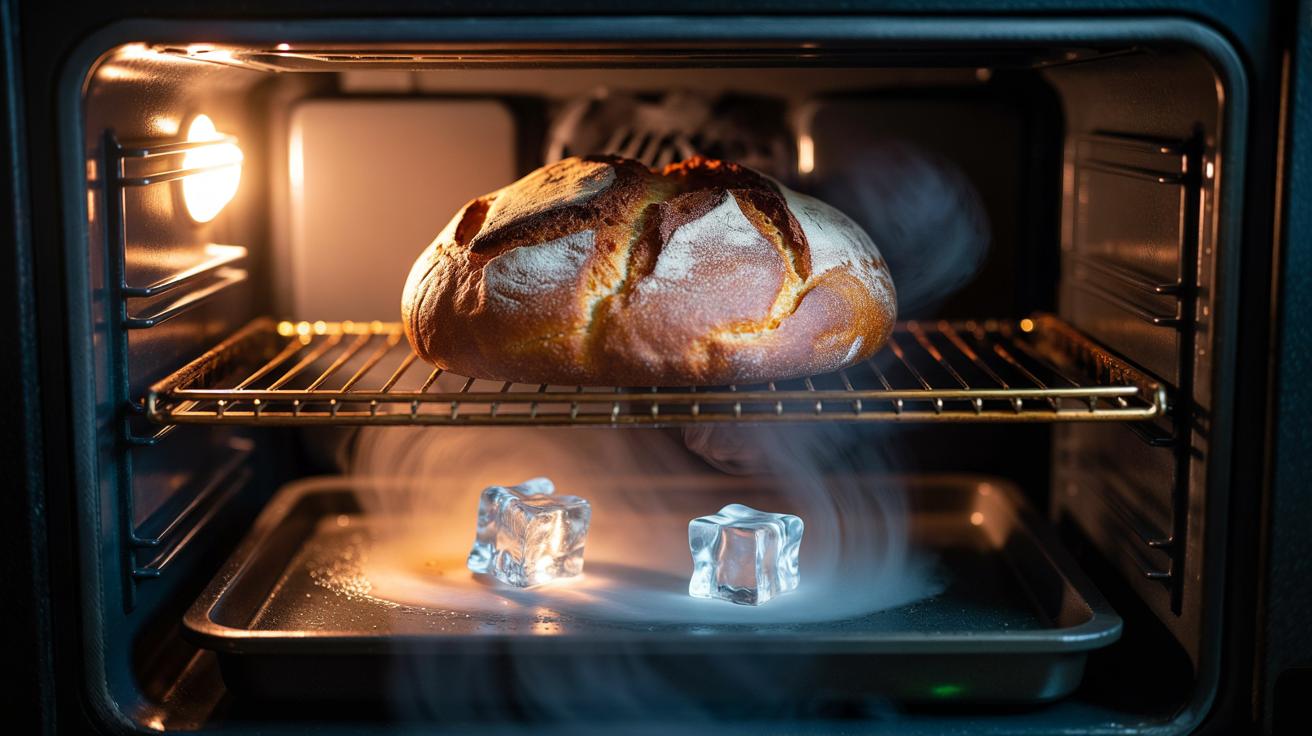
- 🧊 Revive stale bread in ~5 minutes: preheat to 220°C (200°C fan), moisten the crust lightly, drop 1–3 ice cubes on a preheated tray for instant steam, bake briefly, then cool on a rack.
- 🧪 The science: heat loosens starch retrogradation in the crumb while steam softens the crust first, which then re‑crispens as surface moisture evaporates.
- 🕒 Quick guide: Baguette 5–8 min, Boule 7–10 min, Rolls 4–6 min at around 220°C; keep loaves whole and use a preheated tray for rapid vapour.
- ⚠️ Common mistakes: avoid microwaving, pre‑slicing, using too many ice cubes, or overbaking—each robs the loaf of moisture and crispness.
- 🔧 Smart variations: toaster oven or air fryer with a heatproof cup and ice; Dutch oven (lid on, then off); lower to 190–200°C for enriched loaves to protect sugars and fats.
There’s a neat, almost theatrical fix for the tired baguette on your counter: the ice‑cube trick. In five brisk minutes, a blast of steam can turn a leathery crust back into resounding crackle and coax the crumb from rubbery to supple. No witchcraft, just kitchen physics. The method is blissfully simple, cheap, and fast enough to rescue dinner. A couple of ice cubes, a hot oven, and a little patience at the end. Let the revived loaf cool briefly before slicing. That’s when the magic settles. The result tastes startlingly close to fresh‑from‑the‑bakery, without a last‑minute dash to the shops.
Why Bread Goes Stale
Blame starch retrogradation. After baking, starch molecules in the crumb gel and then, over time, realign and harden. Moisture migrates from crumb to crust, so you lose softness inside while the outside turns leathery. It isn’t simply “drying out”; it’s molecular reshuffling. Air exposure, fridge storage, and time accelerate the process. Sourdough loaves, with their organic acids, stale more slowly than supermarket sandwich bread, but they still succumb. The good news? Retrogradation is at least partially reversible with heat and a touch of water. Heat mobilises moisture and loosens those re‑hardened starches, while vapour softens the crust just long enough for it to re‑crisp beautifully as it cools. That’s why toasters hint at freshness, but a dry bake alone isn’t enough; you need steam to reset the crust-crumb balance without turning the interior gummy.
Think of the process in phases: rehydrate the crust, warm the crumb, release surface moisture, then set the crust again. Each phase takes moments, and done right, your loaf regains that tell‑tale aroma and a clean, singing crackle when pressed.
The Ice-Cube Trick, Step by Step
Preheat the oven to 220°C (200°C fan). Slide in a sturdy tray on the lower rack as it heats. Take your stale loaf—whole is best—and lightly moisten the crust with a quick splash of cold water or a damp hand. Do not soak it. When the oven is hot, place the loaf on the middle rack. Drop 1–3 ice cubes onto the preheated tray below to flash into steam. Shut the door promptly. Bake 5–8 minutes for a baguette, 7–10 for a boule. When the crust has revived and feels firm, remove and cool on a rack for 5–7 minutes so steam equalises and the crust sets. Slice and serve.
Use this as a quick reference:
| Loaf Type | Ice Cubes | Temp | Time | Tip |
|---|---|---|---|---|
| Baguette | 1–2 | 220°C | 5–8 min | Moisten lightly for snap |
| Boule/Country | 2–3 | 220°C | 7–10 min | Leave whole; slice after |
| Rolls | 1 (total) | 200°C | 4–6 min | Space them out |
Never add so many ice cubes that liquid pools; you want fast vapour, not a bath. And preheating the tray matters—it turns ice into instant steam, not a slow melt that sogs the oven.
The Science: Steam, Starch and Crust
Steam is a precision tool. At high heat, an ice cube becomes a burst of vapour, which condenses on the cool, leathery crust, briefly softening it. That softening lets heat penetrate quickly, warming the crumb to the sweet spot where retrograded starch loosens and the crumb regains elasticity. Then, as surface moisture evaporates, the crust dries into a glassy lattice that shatters under a knife. Soft first, then crisp—that sequence is non‑negotiable for bakery‑style results.
Go too dry and you merely toast stale bread; go too wet and you get chew without crackle. That’s why controlled steam wins. Professional ovens inject moisture early, then vent. We mimic this with ice cubes and a hot tray. The loaf’s own water plays a role too, especially in sourdoughs with higher hydration. Short exposure preserves flavour volatiles—those nutty, malty notes—while avoiding a baked‑again taste. It’s surprisingly forgiving but rewards attention to timing and the cool‑down that locks in texture.
Common Mistakes and Smart Variations
Common pitfalls are easy to dodge. Don’t microwave the loaf; it softens then turns rubbery as water redistributes unevenly. Avoid slicing first—exposed crumb loses moisture too quickly and can harden. Too many ice cubes drown heat and leave a leathery finish. And resist the urge to keep baking “just a minute more”; overbaking drives off precious moisture and dulls flavour. If a loaf is rock hard, wrap it loosely in foil for the first 2–3 minutes, then remove the foil and steam again to finish.
No conventional oven? A toaster oven or air fryer works: add a small heatproof cup with an ice cube to create steam, then finish dry for the last minute. For thick boules, use a preheated Dutch oven: loaf in, toss in two ice cubes, lid on for 3 minutes, lid off for 3–5. For enriched sandwich loaves, reduce heat to 190–200°C to protect sugars and fats. And always, cool on a rack—countertops trap steam underneath and wilt your newly crisp crust.
Five minutes, a few cubes, and kitchen physics—this is the kind of thrift that feels indulgent. The ice‑cube trick slashes waste, stretches your budget, and restores pride to a neglected loaf with almost comic ease. It doesn’t replace a dawn bake, but it gets you startlingly close to bakery‑fresh when time is tight. Next time a baguette goes dull or a boule loses its voice, try steam before the bin. Which loaf in your kitchen are you most excited to rescue first—and what will you serve it with?
Did you like it?4.5/5 (22)