In a nutshell
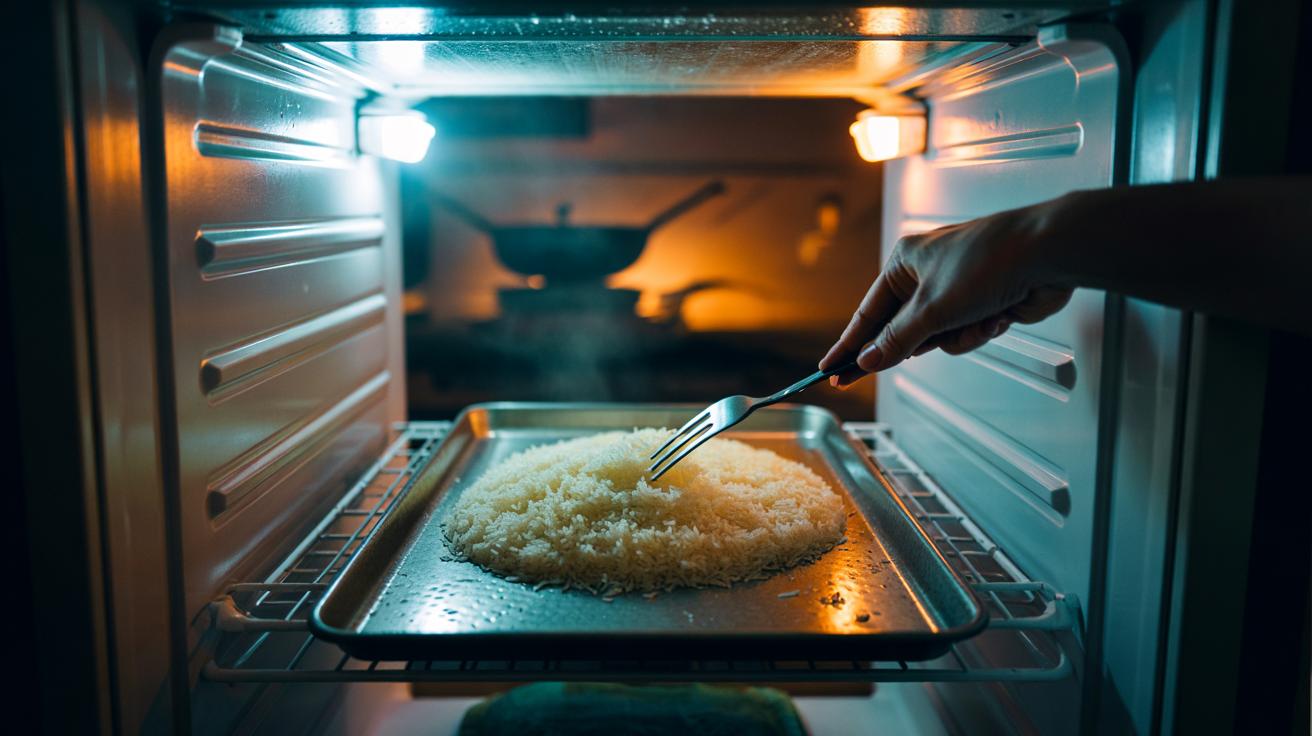
- 🍚 Rice layer trick: Spread cooked rice in a single, thin layer on a tray and chill uncovered overnight to dry grains and prevent soggy fried rice.
- 🧪 Science that works: Surface area, fridge airflow, and starch retrogradation wick moisture; dry grains sear instead of steam for better browning.
- 🛡️ Safety first: Cool quickly and refrigerate within 1 hour; store no longer than 24 hours; reheat until steaming hot to reduce Bacillus cereus risk.
- ⚡ Fast alternatives: Same‑day “fake‑aged” rice in 60–90 minutes in the fridge, or a 20–30 minute freezer assist; rack and paper towel improve drying.
- 🔥 Pro frying results: Use jasmine or basmati for looser grains; spread thin, chill fast, then cook in a smoking‑hot wok to chase authentic wok hei.
Great fried rice starts a day earlier. Not at the stove, but in the fridge. The fix for claggy, clumped grains is deceptively simple: widen the surface, thin the pile, let cold air do the work. I tested the rice layer trick in home kitchens across the UK, from galley flats to farmhouse ranges, and the result was consistent. A tray, some leftover rice, and time. That’s it. Spread cooked rice into a single, shallow layer and chill it uncovered overnight. By morning, the grains are dry to the touch, loose, and primed for the wok’s heat. No magic. Just physics, patience, and a better pan strategy.
The Rice Layer Trick: A Sheet-Pan Shortcut to Dry, Loose Grains
Start with fully cooked rice, ideally jasmine or basmati. Break up clumps gently with a fork, then transfer to a cold sheet pan or large tray. Aim for a single layer, roughly one to two grains deep; the wider the tray, the better the airflow. Do not seal the tray. The fridge’s dry air needs contact with the rice to draw off surface moisture. Slide the tray onto a middle shelf, leaving a bit of space around it so air can circulate. In a fan-assisted fridge, it works even faster. After an hour, use your fingers to loosen any remaining clumps, then let it go undisturbed overnight.
Why it matters: geometry and evaporation. A deep bowl is a steam trap. Moisture collects, drips back, and the starches re-gel. Never chill rice in a deep bowl if you want a dry result. On a tray, water has somewhere to go—up and out. If you’re tight on space, use two smaller trays rather than stacking. Optional: slip a wire rack over the tray and spread the rice on top; air reaches every side, so drying is more uniform. By morning, you’ll have what cooks call day‑old rice: separate grains that sear, not stew.
The Science: Starch Retrogradation, Surface Evaporation, and Cold Airflow
Fried rice fails when hot, waterlogged starch hits the pan. Cooked rice is a gel of amylose and amylopectin that traps water. As rice cools, the molecules realign in a process called retrogradation, squeezing out some of that water. A thin, chilled layer accelerates this shift. The fridge’s relatively low humidity and steady airflow increase evaporation at the grain’s surface, creating a mild moisture gradient: water moves from the centre of the grain outward, then off into the air. That’s why a single layer beats a mound every time.
Different rices respond differently. Jasmine, with moderate amylose, dries nicely overnight and fries aromatic and fluffy. Basmati goes even drier and stays distinctly separate. Short‑grain rice, higher in amylopectin, needs extra help: spread it very thin and give it a longer chill. A tiny slick of neutral oil—no more than a teaspoon per 500g—can help prevent clumping, but too much oil will slow moisture loss, so be sparing. When the rice returns to a hot wok, the drier surface browns fast, steam flashes off cleanly, and you get that sought‑after wok hei instead of a pale, steamy tangle.
Safety First: Cooling, Storage, and Reheating Without Risk
Rice carries spores of Bacillus cereus, which can multiply if rice lingers in the danger zone. The layer method isn’t just about texture; it’s about rapid, safe cooling. Cool rice quickly and refrigerate within one hour. The shallow tray helps heat escape fast, limiting the time warm rice spends at ideal bacterial growth temperatures. Place the tray straight into a 0–5°C fridge, not on a counter to “air” for ages. If you’re batch cooking, split large pots of rice between multiple trays to reduce depth and speed up the chill.
Storage is short and strict. In UK kitchen guidance, best practice is to keep chilled rice no longer than 24 hours before reheating. When it’s time to cook, bring a wok or pan to smoking hot, add oil, then rice. Stir‑fry until steaming hot all the way through. Add eggs, veg, or sauces only after the grains are properly heated and beginning to colour. Don’t reheat more than once. If anything smells off or feels overly sticky and sour, bin it. Texture wins are meaningless without sound food safety, and the tray method supports both.
Pro Tips and Variations: From Day-Old to Same-Day “Fake-Aged” Rice
Short on time? You can mimic an overnight chill. Spread freshly cooked rice thinly on a cold tray, place it on a rack in the fridge, and give it 60–90 minutes; rotate the tray halfway. For even faster results, a 20–30 minute blast in the freezer—still in a single layer—removes surface moisture quickly without freezing the core. Keep an eye on it so the grains don’t harden solid. Another hack: lay a clean, food‑safe paper towel on the tray, set a rack on top, then the rice; the towel wicks drips while airflow remains unblocked. If your fridge runs humid, this subtle tweak helps.
| Situation | Layer Thickness | Chill Time | Likely Outcome |
|---|---|---|---|
| Overnight plan | 1–2 grains deep | 8–12 hours (fridge) | Dry, separate; best for high-heat frying |
| Same-day rush | Very thin, 1 grain | 60–90 minutes (fridge) | Good dryness; stir-fry acceptable |
| Freezer assist | 1 grain | 20–30 minutes (freezer) | Fast surface drying; watch for hard edges |
| Short-grain rice | Ultra-thin | 12 hours (fridge) | Better separation; still slightly sticky |
If you’re batch-cooking for the week, cool on trays, then portion into shallow containers once fully cold. Label the date. Use within 24 hours for optimal safety and texture. When stir-frying, add sauce sparingly at first; dry rice absorbs quickly, and it’s easier to add than to fix soggy.
The beauty of the rice layer trick is its practicality. No gadgets. No special rice cooker settings. Just better handling of heat, air, and starch, turning yesterday’s side into today’s crisp, fragrant centrepiece. Spread thin, chill fast, fry hot—a rhythm that rewards anyone chasing true wok character at home. Will you try the overnight tray, or test a same-day “fake-aged” batch and taste the difference for yourself?
Did you like it?4.4/5 (21)