In a nutshell
- 🌱 A light sprinkle of used coffee grounds can double earthworm activity by feeding microbes first, improving soil structure, water infiltration, and tilth within weeks.
- ⚖️ Apply as a thin 1–2 mm dusting (about 50–75 g per m²) and rake in; repeat weekly—little and often beats heavy dumps. Blend 1:4 with compost for broader mulching.
- 🧪 Balanced nutrition: roughly 2.0% N, 0.3% P, 0.6% K with near-neutral pH (~6.5–6.8), making grounds a safe, steady partner to compost and organic feeds.
- 🚫 Avoid pitfalls: don’t form thick mats that turn hydrophobic or crust; keep layers thin, maintain airflow, and don’t rely on grounds as a slug barrier—use approved alternatives.
- 🔁 Smart swaps and gains: tea leaves, alfalfa meal, sieved leaf mould, and charged biochar mimic the effect; expect better tilth, resilient crops, and more worm casts across clay and sandy soils.
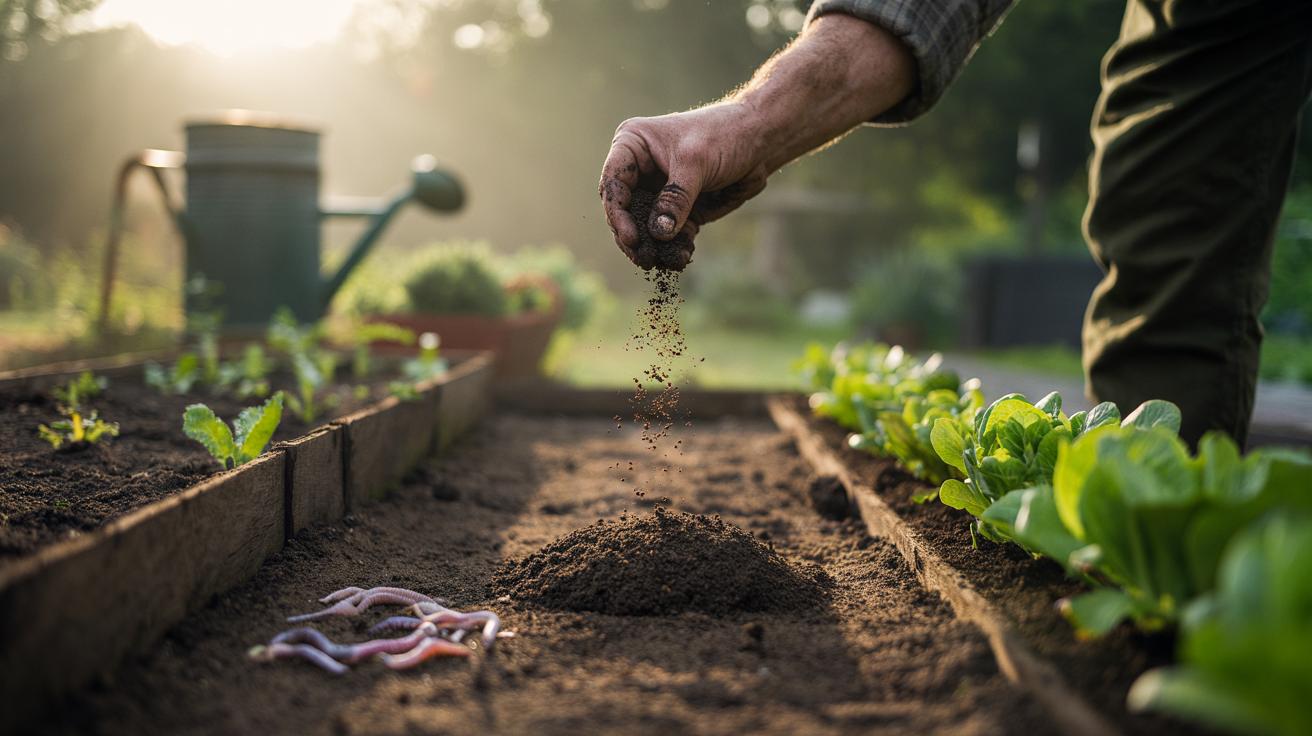
In kitchens across Britain, a quietly revolutionary soil tonic is being tipped from cafetières and espresso machines. Spent coffee grounds, once destined for the bin, are now finding a second life in the veg patch as a light, worm-luring sprinkle. Gardeners report richer soil, fewer compaction woes, and a noticeable uptick in wriggling life beneath their boots. The method is disarmingly simple. A thin dressing, refreshed little and often, feeds the soil community that in turn feeds your crops. This is not a mulch mountain; it’s a measured dusting that sparks biology and makes earthworms surge into action. Here’s how it works, how to use it, and the mistakes to avoid.
Why Coffee Grounds Wake Up Your Soil Life
Earthworms are the quiet engineers of a thriving plot. They drag organic particles below ground, shred fibres, and leave castings rich in plant-available nutrients. Spent coffee grounds sit right in their sweet spot. With a carbon-to-nitrogen ratio hovering near 20:1 and around 2% nitrogen by weight, grounds feed fungi and bacteria without swamping the system with quick-release fertiliser. As microbes bloom, worms follow the scent of a good meal. This cascade—from microbes to worms to better soil structure—explains why a light sprinkle can double worm activity in as little as two weeks during mild weather.
There’s texture at play, too. The fine grit of grounds serves as useful “teeth” in a worm’s gizzard, helping them grind tougher fibres like straw and autumn leaves. Meanwhile, the lignin and cellulose in grounds break down steadily, building stable humus that resists drought and compaction. Water infiltration improves. Beds warm slightly faster in spring. Crops rooted in this biologically busy matrix tap a pantry of slow-release nutrition and trace elements, while the soil surface stays friable rather than crusted.
How to Apply a Worm-Loving Sprinkle, Step by Step
Think seasoning, not smothering. Scatter used, cooled grounds across bare soil or around established plants in a dusting no thicker than 1–2 mm—about a small handful per square metre. Lightly rake in, or let rain take it down. Repeat weekly through the growing season, pausing in heatwaves or when beds are very wet. For seedlings, mix grounds into compost rather than leaving them on the surface to avoid crusting. The golden rule: little and often beats a single heavy dump.
For larger areas, blend grounds with mature compost at roughly 1:4 by volume and apply as a 1–2 cm top-up. In compost heaps, sprinkle grounds in thin layers (10–20% of each addition) alongside “browns” like shredded card to keep airflow. Wormeries love them, but temper with bedding to prevent clumping. Rinsed café grounds work well; they’re near neutral in pH and pleasantly uniform. The payoff? Better tilth, more worm burrows, and a gentle nutritional lift that suits salad leaves, brassicas, and fruiting veg alike.
| Application | Amount per m² | Frequency | Best For | Notes |
|---|---|---|---|---|
| Light surface sprinkle | 50–75 g (a small handful) | Weekly | Active beds | Rake lightly to prevent crust |
| Mix with compost (1:4) | 1–2 cm layer | Monthly | General mulch | Feeds microbes steadily |
| Compost heap booster | 10–20% of layers | When adding greens | Hot composting | Balance with shredded card |
| Wormery feed | 10–15% of feed | Weekly | Vermicompost | Always add bedding |
Balancing Nutrition: N, P, K and the Myth of Acidic Grounds
Used coffee grounds are modestly nourishing. Typical analysis lands around 2.0% nitrogen, 0.3% phosphorus, and 0.6% potassium, with a suite of micronutrients bound in organic matter. They are not a stand-alone fertiliser, but paired with compost they round out a soil diet. Crucially, post-brewing grounds are usually near-neutral, often pH 6.5–6.8, not the acid bomb of gardening myth. That makes them safe for most veg beds, including brassicas and legumes, when used judiciously.
Caffeine? In spent grounds it’s markedly reduced and unlikely to harm established plants at the quantities suggested here. What the sprinkle really delivers is biology: a fungal-leaning food that builds structure. That structure locks in moisture during dry spells and reduces nutrient leaching in wet ones—important in British swings from rain to drought. Pair the sprinkle with a seasonal soil test and your usual organic feeds (well-rotted manure, seaweed, comfrey tea). You’ll get responsive nutrition for leafy growth early on, then strong, steady support for fruiting crops as summer stretches.
Pitfalls to Avoid and Smarter Alternatives
Overdo it and the benefits flip. Thick mats of grounds can become hydrophobic, shed water, and crust over seedlings. They may also cool the surface layer and temporarily hog oxygen as microbes bloom. Keep layers thin, break up clumps, and never cap seed trays with pure grounds. If slugs are rife, don’t bank on grounds as a barrier; at normal rates, they’re unreliable. Instead, combine your sprinkle with beer traps, night picks, or iron phosphate pellets approved for organic use. Small doses, good airflow, mixed textures—that’s the winning trio.
No grounds to hand? Borrow the principle. Fine, nitrogen-tilted organics—spent tea, ground-up alfalfa pellets, sieved leaf mould—work in a similar “microbe-first” way. A dash of biochar (charged with compost) adds pores for microbes to colonise. In heavy clay, repeat light dressings make more difference than a once-a-year bonanza, encouraging worms to stitch the profile with channels. In sandy soils, pair the sprinkle with regular compost to hold nutrients in the root zone. The message is consistent: feed the soil web, and your veg repay you with resilience and flavour.
Used wisely, a coffee grounds sprinkle is a small habit with outsized impact—quicker worm casts, sweeter tilth, and crops that shrug off fickle British weather. It’s cheap, circular, and quietly satisfying, especially when your morning espresso powers an evening harvest. Start with a handful, watch for the tell-tale middens and casts, then tune your dose to the season. So, will you try the light-touch sprinkle and track how your earthworms respond—perhaps even count casts before and after to see the change for yourself?
Did you like it?4.4/5 (25)