In a nutshell
- ✨ Dermatologists spotlight colloidal oatmeal as a kitchen staple that calms, hydrates, and visibly boosts glow without irritation.
- 🧪 Key actives—avenanthramides (anti‑inflammatory), beta‑glucans (hydrating), and lipids—fortify the skin barrier for smoother, brighter tone.
- 🛁 Practical uses: DIY oat cleanser, bath soak, and yoghurt–oat mask; patch test first and seek Avena sativa (oat) kernel flour on labels.
- 🧴 Routine strategy: Slot oats as a soothing buffer alongside actives; pair with ceramides and daily SPF for consistent radiance.
- ⚠️ Sensible expectations: Not a fix for severe pigmentation or active eczema; avoid with an oat allergy and keep DIY blends fresh, fragrance‑free.
For years, beauty shelves have promised radiance in tiny bottles, yet dermatology clinics kept pointing to something humbler and closer to home. The quiet hero? oats. Long a pantry staple, they are now enjoying a clinical renaissance as a topical soother that delivers a healthy, luminous complexion without fuss or fragrance. Dermatologists across the UK cite colloidal oatmeal—oats ground to a fine, water‑suspendable flour—as a barrier-loving, anti‑itch, glow‑boosting ingredient that works in real life, not just in laboratories. It isn’t hype. It’s chemistry, and centuries of practice. Glowing skin, it turns out, can begin in the kitchen rather than the clinic.
Why Oats Earn Dermatologists’ Trust
Ask a consultant dermatologist what to try when skin is tight, itchy, flushed, or dull, and the answer increasingly includes colloidal oatmeal. The grain’s natural actives do the heavy lifting. Avenanthramides, potent oat polyphenols, dial down redness by targeting pro‑inflammatory pathways. Beta‑glucans, long-chain sugars, attract and hold water like soft sponges, plumping fine, papery skin without the sting some acids bring. There are also lipids that slot into the skin barrier like mortar between bricks, reducing transepidermal water loss. It’s a rare combination: anti‑inflammatory, humectant, and barrier-supportive in one affordable ingredient.
Evidence backs the anecdotes. Colloidal oatmeal formulations are used in eczema-prone, irritated, and post‑procedure skin because they soothe while respecting pH and microbiome balance. Many NHS‑recommended bath treatments rely on the same principle. In practice that means fewer flare‑ups, less visible scaling, and a surface that reflects light more evenly—what beauty editors call “glow” and clinicians call reduced micro‑inflammation. The win is pragmatic: oats are inexpensive, largely well‑tolerated, and compatible with most routines. Dermatologists aren’t calling it a miracle; they’re calling it reliable skin care you’ll actually use. Highlight that reliability with a simple rule of thumb: if your face feels hot and reactive, reach for oats before your strongest actives.
How to Use Oats for Radiance at Home
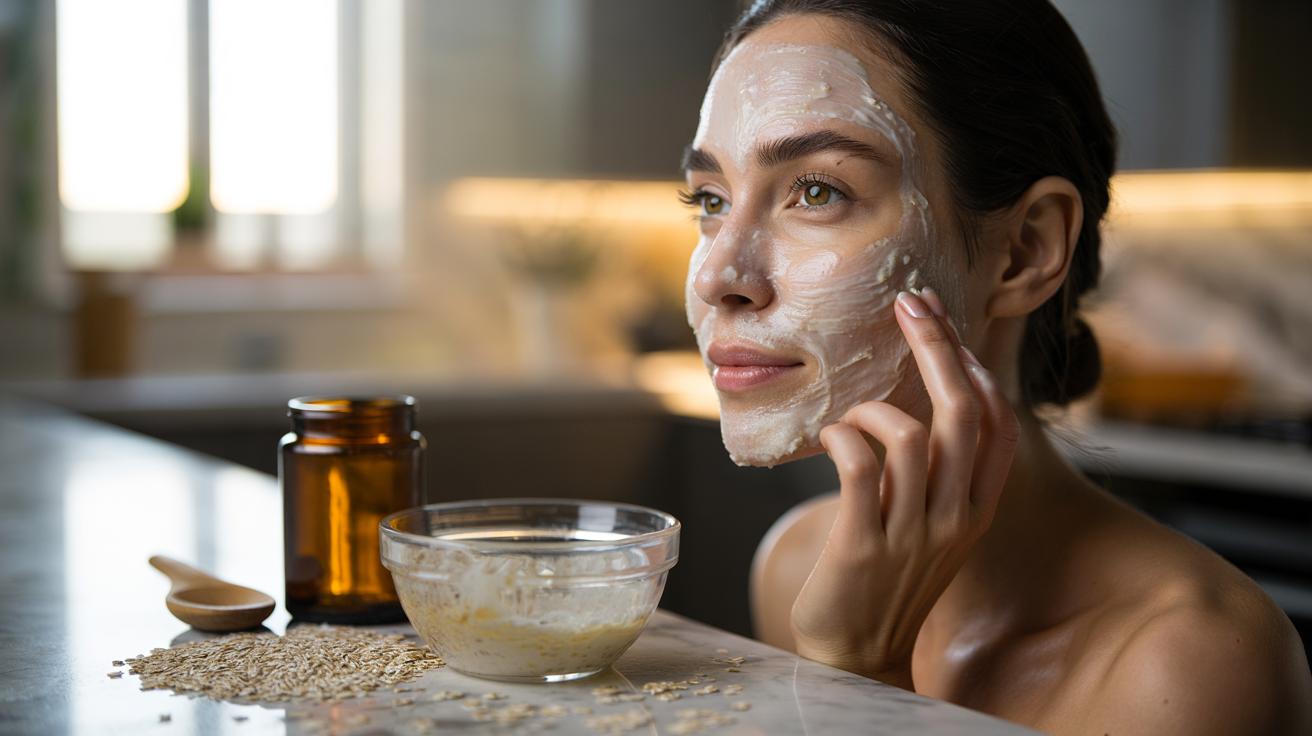
You don’t need a lab. You need a blender and a jar of plain porridge oats. Blitz until you get an ultra‑fine flour that disperses cleanly in water—your DIY colloidal oatmeal. As a cleanser, whisk one teaspoon with warm water to form a milky gel, massage 60 seconds, then rinse. For a soothing soak, add half a cup to bathwater and swirl until the water turns opalescent. To make a glow mask, combine one tablespoon of oat flour with natural yoghurt and a teaspoon of honey; leave on for 10 minutes to harness gentle lactic acid from yoghurt and oat beta‑glucans for hydration. Always patch test on the inner arm for 24 hours before first use.
| Method | What It Does | Best For |
|---|---|---|
| Oat Milk Cleanser | Lifts grime; calms redness | Reactive, tight skin |
| Oat Bath Soak | Relieves itch; softens scales | Body dryness, mild eczema |
| Yoghurt–Oat Mask | Gentle brightening; hydration | Dullness, uneven texture |
| Oat Mist (strained) | On‑the‑go soothing | Post‑exercise flush, travel |
Keep it simple: prepare small, fresh portions, avoid scented add‑ins, and rinse thoroughly. Pair your oat step with a ceramide moisturiser and daytime SPF. If you already use actives, slot oats in as the buffer—cleanser or mask on nights off from retinoids. Think of oats as the peacekeeper in a busy routine, restoring calm so your other products perform better. And if you prefer store-bought, scan for the INCI name Avena sativa (oat) kernel flour high on the ingredients list.
What Science Says—and What It Doesn’t
Clinical literature supports colloidal oatmeal for reducing itch and irritation, improving hydration, and normalising the look of stressed skin. That’s robust, repeatable, and relevant to everyday redness, razor rash, or winter dryness. Yet there are limits. Oats won’t erase deep melasma or substitute prescription treatments for active eczema or psoriasis. They won’t replace sunscreen, either. The glow you notice is the visible outcome of calmer skin with a better barrier, not a surface trick. Keep expectations honest and the results are satisfying—sometimes startling—especially if your complexion is easily triggered by acids or fragrance.
Safety first. If you have a known oat allergy, steer clear; and discontinue use if you develop hives or stinging that persists. People with coeliac disease can usually use topical oats safely, but individual sensitivities vary. Avoid mixing DIY blends with potent exfoliants or perfume oils; that’s a recipe for irritation. When in doubt, separate your “strong” nights and your “soothing” nights. Finally, packaging matters: reusable pump bottles keep homemade oat “milk” cleaner; toss leftovers after 24 hours to prevent spoilage.
Dermatologists also emphasise product quality. Look for fragrance‑free formulas and clinical percentages of colloidal oatmeal in leave‑on creams if you want something ready-made. The sweet spot is consistency: two weeks of daily use often yields steadier tone and a softened feel. Add retinoids or vitamin C later if you wish, but let oats rebuild first. Barrier before bravado; that’s the professional mantra for glow that lasts.
Back in the kitchen, a carton of oats starts to look like a quietly disruptive beauty buy. Accessible, unfussy, science‑backed, and compatible with the rest of your shelf, it offers a way to restore comfort and coax out that lit‑from‑within look without a punishing routine. No drama, no sting, no perfume cloud—just steady, believable results. If you want luminous skin, start by calming it. Will you give the oat experiment a fortnight and track your skin’s changes, or will you remix the staple into a routine that suits your lifestyle even better?
Did you like it?4.4/5 (27)