In a nutshell
- 🧲 A dryer sheet inside the hoover builds charge via the triboelectric effect, acting like an electret to attract fine dust and dust mites, while complementing (not replacing) HEPA filtration.
- 📍 Smart placement is key: inside the bag near intake (bagged), along the bin wall or bottom (bagless), or a trimmed piece in small cups—never block filters or airflow.
- 🌬️ Tangible gains: fewer dust plumes when emptying, better capture of light particles and pet dander, and minimal impact on suction when positioned correctly.
- ⚠️ Know the limits: it’s not a substitute for a sealed HEPA system; avoid fragranced sheets due to potential VOCs, keep away from vents/motors, and check the manual for OEM guidance.
- 💡 Best practice: use unscented sheets, replace them regularly, and pair with filter maintenance and post-clean ventilation for cleaner indoor air.
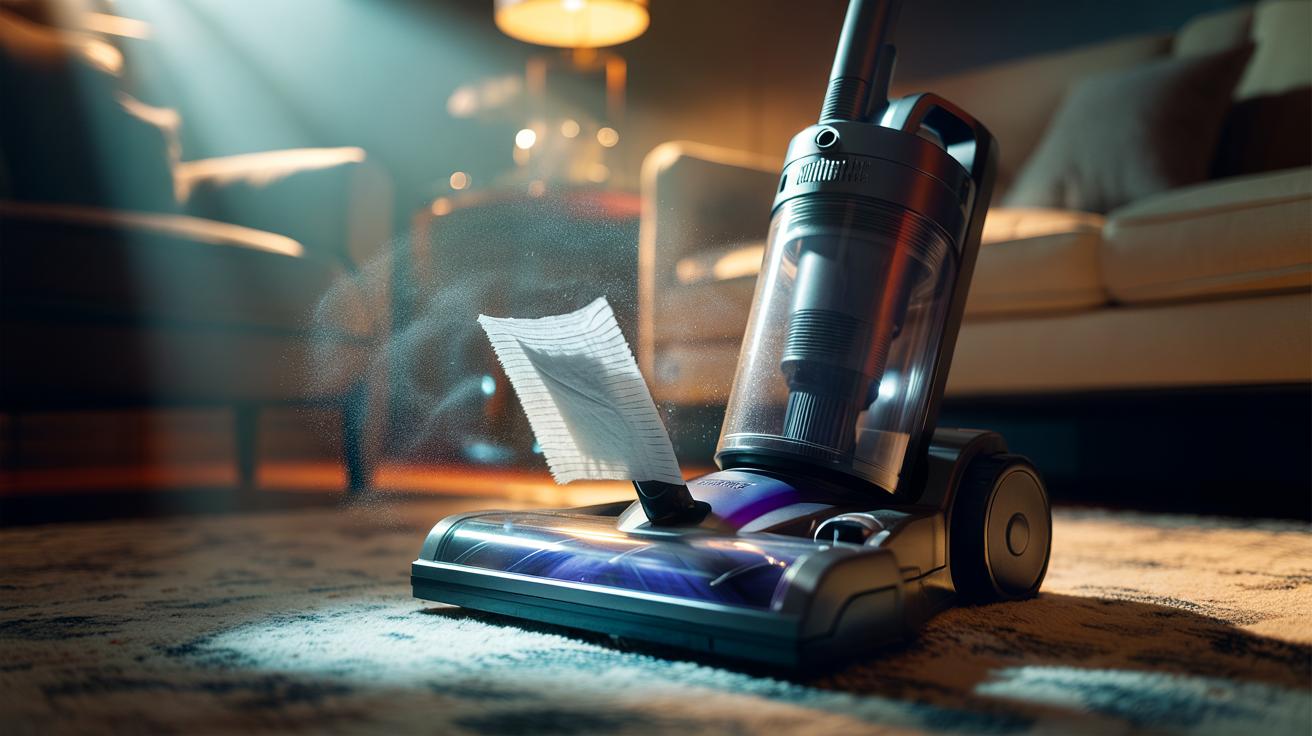
Allergy season never really ends indoors. Household dust mites thrive in bedding, carpets and upholstery, riding tiny particles that a hoover can stir up as you clean. A simple tweak changes the game: slip a dryer sheet into your hoover’s bag or bin and let static capture go to work. As air rushes through, the sheet builds charge and attracts fluff, fine dust and mite-laden fragments that otherwise escape. It costs pennies and takes seconds. Place the sheet where air flows, not where motors breathe or filters need to stay clear. Used wisely, this hack can reduce airborne irritants and leave your rooms feeling genuinely fresher.
How Static Charge Turns a Dryer Sheet Into a Dust-Mite Magnet
Dryer sheets aren’t magic; they’re cleverly coated fabrics. Most use a polymer substrate with cationic surfactants that tame cling on clothing. The same chemistry helps inside a hoover. As debris and air accelerate past the sheet, friction generates a triboelectric effect. The sheet accumulates charge and behaves like a low-grade electret—a material that attracts oppositely charged specks. Mite allergens ride on microscopic fibres and skin flakes. Those particles are easily influenced by electrostatic forces, so many end up stuck to the sheet instead of re-aerosolised through exhaust or while emptying the bin.
The result is twofold. First, a charged sheet acts as a sacrificial, pre-filtering surface catching fluff and fine debris that would otherwise swirl. Second, it can reduce the “dust plume” you see when tapping out a canister. The sheet supplements your hoover’s filtration; it does not replace a proper HEPA filter or sealed system.
There’s a nice side effect too. Because electrostatic attraction is non-mechanical, it adds almost no airflow resistance when positioned sensibly, maintaining suction while improving capture of light, irritating particles.
Where to Place the Sheet in Your Hoover
Placement matters more than brand. In a bagged hoover, open the new bag and stick a single dryer sheet flat against the inside panel nearest the intake throat; it will charge quickly as dust hits. For a bagless canister, lay the sheet on the bottom of the bin or along an interior wall so air passes over it as debris spirals, but don’t drape it across the cyclone inlets. On stick or handheld models with tiny bins, cut the sheet to a small rectangle and seat it at the rear of the cup, away from mesh screens. Never obstruct airflow or cover filters.
Use a tiny tab of low-tack tape if needed to keep it flat; creased sheets flutter and may migrate. Replace the sheet every full bin or bag change. If anyone at home is sensitive to fragrance, choose unscented sheets to avoid perfumed air during cleaning. Below is a quick guide to help you position it safely and effectively:
| Hoover Type | Best Placement | Main Benefit | Key Caution |
|---|---|---|---|
| Bagged upright/cylinder | Flat inside the bag, near intake | Acts as electrostatic pre-filter | Don’t block bag’s air channels |
| Bagless canister/cyclone | Bottom or side wall of bin | Reduces fine-dust recirculation | Keep clear of cyclone ports |
| Stick/handheld | Small piece at rear of cup | Captures fluff and light debris | Avoid mesh screens and sensors |
| Robot vacuum | Trimmed piece inside dust drawer | Less plume when emptying | Don’t hinder tiny intake path |
Benefits, Limitations, and Safety Notes for Cleaner Indoor Air
A charged sheet captures what filters often miss first: light, flyaway particles. Expect fewer staticy fibres on upholstery after a pass, and fewer whirls of dust when you tip the bin. Homes with pets see a bonus—pet dander tends to cling to the sheet rather than skittering away. The method is cheap, reversible, and compatible with most models. Because the sheet adds negligible restriction when properly placed, suction remains strong and motor strain is minimal. For households battling allergies, every percent of extra capture helps reduce triggers during and after cleaning.
There are limits. It’s not a substitute for a sealed body and HEPA filtration, which remain the gold standard. Fragranced sheets can emit VOCs that some people dislike; unscented variants are best. The sheet saturates with lint quickly and should be replaced often. Avoid placing it on hot motor housings or over thermal vents. Check your manual—some manufacturers frown on non-OEM inserts inside the air path. Use unscented sheets if anyone has asthma, eczema, or fragrance sensitivity, and discontinue if irritation occurs. Think of this as a smart add-on, not a cure-all.
Slipping a dryer sheet into your hoover is a surprisingly effective way to harness static electricity for cleaner air at home. It’s low-cost, quick to try, and—when positioned correctly—plays nicely with your existing filtration. You’ll likely notice tidier emptying and fewer airborne irritants while you clean. For best results, pair the trick with regular filter maintenance, sealed bags or canisters, and sensible ventilation after vacuuming. Ready to experiment with an unscented sheet on your next tidy-up, or will you tweak placement until the dust plume vanishes—what approach will you test first?
Did you like it?4.7/5 (29)