In a nutshell
- 🔌 Cut vampire loads by switching off standby and using smart plugs on TVs/consoles to save £50–£90 a year.
- ⏱️ Follow a one-hour power audit in four 15‑minute bursts; consistent tweaks and off‑peak habits can trim bills up to half.
- 🌡️ Heat smarter: lower boiler flow temperature to 55–60°C, bleed radiators, set TRVs, and drop the thermostat 1°C for ~6% savings; keep cylinders at 60°C.
- 🕒 Shift high‑load tasks off‑peak via time‑of‑use tariffs; automate washing, dishwashing, and EV charging—moving 3 kWh/day can save £150–£250 annually.
- 🏠 Tighten the envelope with fast draught‑proofing and switch to LEDs to curb boiler cycling and lock in permanent kWh reductions.
Energy bills have eased since last year’s shock highs, yet millions of UK households still pay far more than they need to. Eco experts argue that the biggest savings don’t require expensive kit or weeks of work. They come from one focused hour. In 60 minutes, you can reset wasteful defaults, shift usage to cheaper times, and plug the leaks that quietly drain cash. Think of it as a “power hour” audit. One purposeful session can lock in savings that compound every single day. Here’s how to turn 60 minutes into a smaller footprint, a warmer home, and a bill that finally bends.
The One-Hour Power Audit: Four Quarters, Big Gains
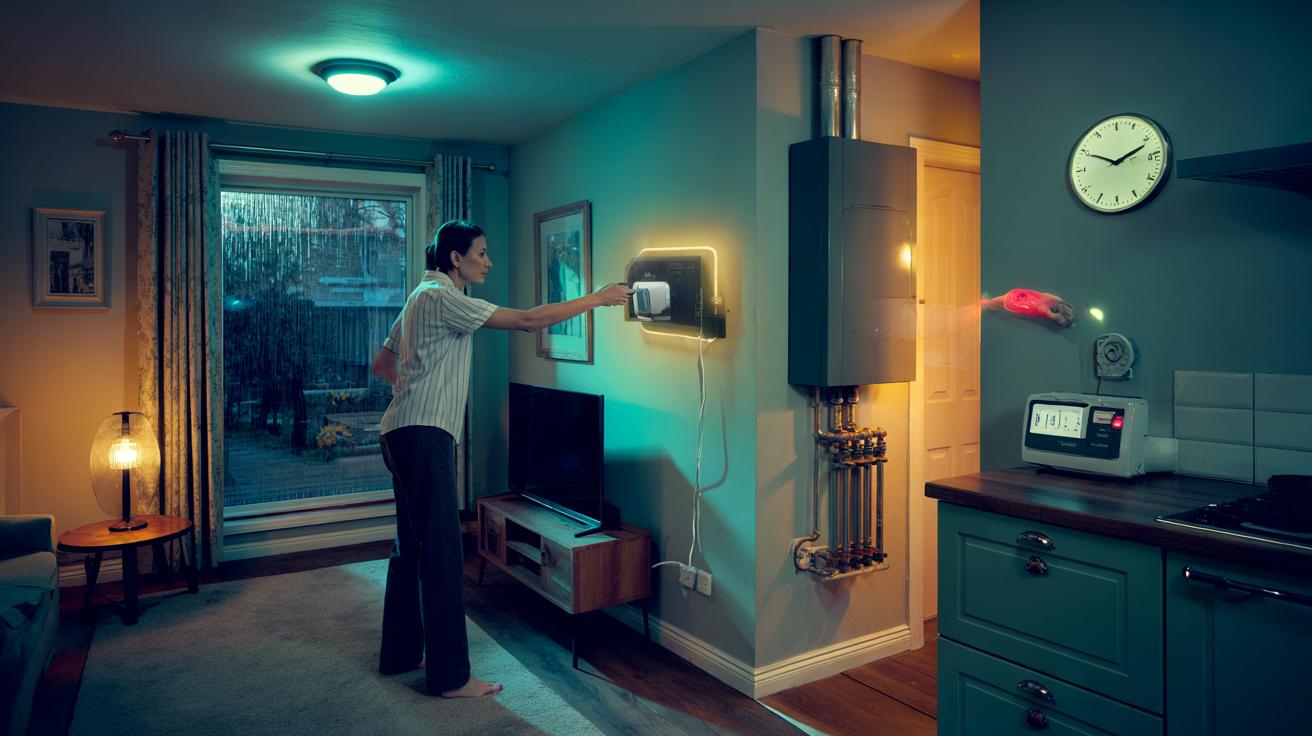
Break the hour into four targeted 15‑minute bursts. Start with visibility. Use your smart meter or in‑home display to note your baseline. Then hunt “vampire loads” with a quick walk‑around: TVs, consoles, speakers, printers, and routers that never sleep. Switching off at the wall or using smart plugs can claw back £50–£90 a year without noticing. Next, focus on heat. On a combi boiler, lower the flow temperature to 55–60°C; on system boilers with cylinders, keep hot water at 60°C for safety but tune space‑heating to condense efficiently. Bleed radiators. Turn TRVs down in little‑used rooms. Small dials, big wins.
| Minute Mark | Action | What to Do | Typical Annual Saving |
|---|---|---|---|
| 0:00–0:15 | Find Vampire Loads | Check smart meter, switch off standby, fit smart plugs on TV/console | £50–£90 |
| 0:15–0:30 | Optimise Heating | Set boiler flow to 55–60°C, bleed rads, set TRVs by room use | 6–12% gas use |
| 0:30–0:45 | Shift High-Load Tasks | Schedule wash/dish cycles off‑peak; avoid tumble dryer; use 30°C | £120–£250 |
| 0:45–1:00 | Seal & Light | Fit draught strips/letterbox brush; swap key bulbs to LED | £80–£180 |
Finish by setting a simple plan: weekly meter snapshot, monthly filter check, seasonal heating tweaks. Consistency beats perfection. None of this reduces comfort. It reduces waste. If you’re on a standard tariff, the above steps often trim 20–35%. Combine them with off‑peak pricing and the cumulative effect can be profound. For some households, that’s the difference between a bloated bill and paying roughly half.
Shift to Off-Peak and Automate
Electricity is not one price all the time. With a smart meter, many suppliers offer time‑of‑use tariffs where units are cheaper at night or outside the evening peak. Economy 7/10 splits day and night; dynamic tariffs vary hourly. Either way, the principle is simple: move heavy loads when power is cheapest. A single wash and a dishwasher run shifted from 19:00 to 23:00 can cut their cost by 30–70% depending on your plan. Over a year, that’s serious money. Three kilowatt‑hours a day moved from peak to cheap can save £150–£250 without using less. Same comfort, better timing.
Automation makes it stick. Fit timers on immersion heaters. Use smart plugs for dehumidifiers and heated airers. Delay‑start your dishwasher. Charge laptops, power banks, and vacuums off‑peak. If you have an EV or battery, schedule charge windows that dodge the peak. Keep an eye on National Grid ESO’s Demand Flexibility Service when offered: during events, households are paid to reduce usage at busy times. Even without incentives, off‑peak habits de‑stress the grid and your budget. Set and forget is the secret—once the schedules run themselves, the savings keep arriving.
Heat Smarter, Not Harder
Space heating typically dominates a UK bill. That’s why experts start at the boiler. Set a modern condensing boiler to a lower flow temperature (55–60°C) so it condenses more of the time. Many homes never changed the factory default of 75°C or higher; they pay for it. This single tweak can shave 6–8% off gas without chilling you. Add weather compensation or outdoor sensors if available so flow temperature tracks the weather. Balance radiators so every room warms evenly. Drop your room thermostat one notch—19°C rather than 20°C. Each degree can trim roughly 6% of heating energy, and blankets cost less than boiler cycles.
Hot water next. Keep cylinders at 60°C (for legionella safety), but add or thicken the cylinder jacket and insulate the first metre of hot pipes. Shorten time‑clocks to match real life: hot water for breakfast and baths, not at 2 a.m. Turn off combi pre‑heat modes that keep water constantly warm. Zone your home with TRVs: nursery cosy, spare bedroom cooler. Shut internal doors to keep heat where you need it. Bleed radiators at the start of each season; gurgling equals wasted heat. Comfort rises when control improves, and cost falls when heat goes where it’s wanted.
Seal, Light, and Standby: Fast DIY That Sticks
Draughts are tiny thieves. Fit foam strips on leaky window frames, a letterbox brush, and a chimney balloon for unused flues. Close the loft hatch properly and add a seal if it wobbles. Ten minutes with a roll of tape can stop cold air that forces boilers to cycle. Target the hallway and rooms you actually heat. The payback is quick because the kit is cheap. Every unwanted gust you block reduces the heat your boiler must make. Add heavy curtains or thermal liners. Use door snakes where gaps persist. These are small jobs, not renovations.
Lighting is the stealth saviour. Swap the most‑used bulbs to LED. A 60W incandescent replaced by a 9W LED, used three hours daily, saves around 56 kWh a year—money and carbon, permanently. Multiply that by five fittings and the numbers climb. Kill standby with a single master switch for the TV corner, or automate via smart sockets. Game consoles left on “instant‑on” modes can drink tens of pounds a year alone. Audit chargers, speakers, and printers that hum 24/7. If a device is warm when not in use, it’s costing you. Stop feeding phantoms; fund your comfort instead.
One determined hour can flip the script: better timing, smarter heat, fewer leaks, and lights that sip not gulp. Stack the wins. Lower your boiler’s flow, nudge the thermostat, banish standby, schedule appliances for cheap hours, and seal the draughts that undo your effort. Individually, these are modest tweaks; together, they can halve a wasteful bill. The side effect is a calmer home and a lighter footprint. So, when will you book your power hour—and which quick fix will you tackle first to start your savings snowball?
Did you like it?4.5/5 (22)