In a nutshell
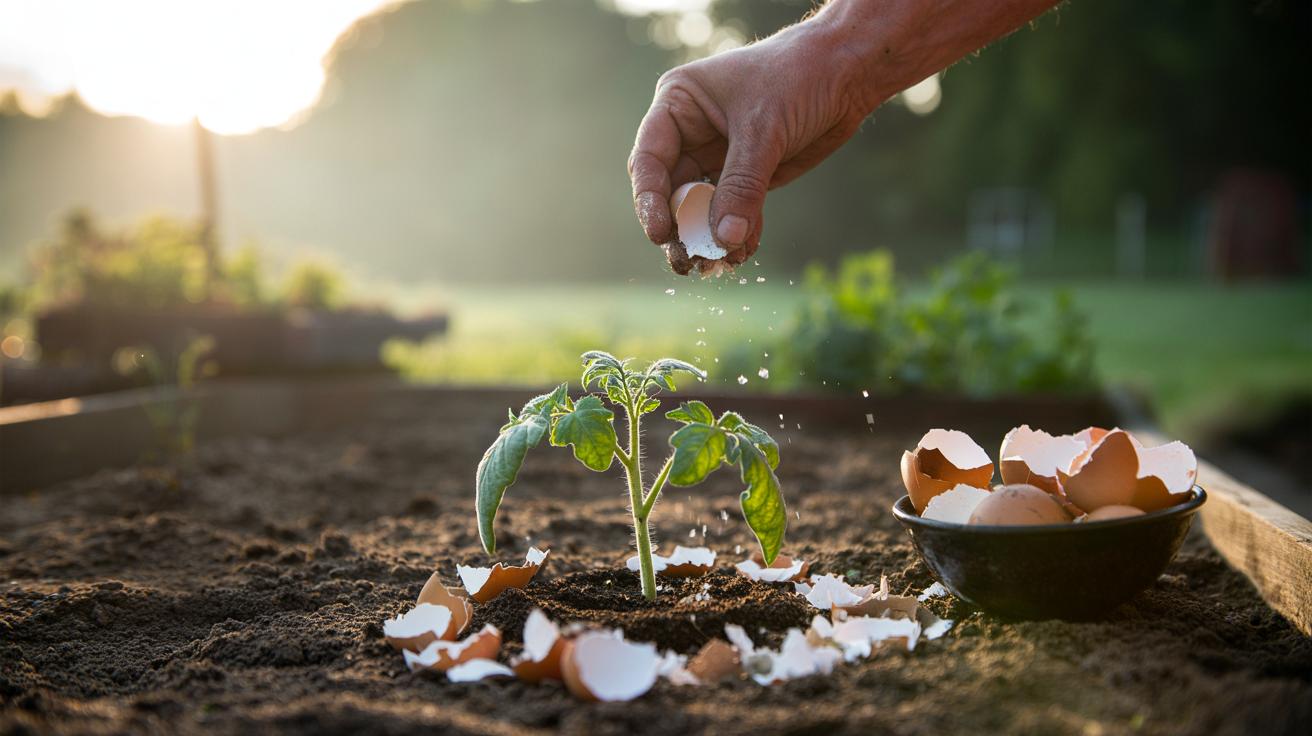
- 🥚 Eggshells are rich in calcium carbonate, gently buffering soil pH, strengthening plant cell walls, and helping prevent blossom end rot in tomatoes and peppers.
- 🧰 Preparation matters: rinse, dry, and crush; choose powder for faster release at the root zone or shards for long-term structure and compost enrichment.
- 🌙 Overnight gains include a gritty slug deterrent, micro-level pH nudges in damp soil, and improved aeration—especially noticeable in container mixes.
- 🌱 Long-term benefits build steadily: better tissue strength, subtler drainage improvements, calcium-steady compost, and a plastic-free, slow-release fertiliser loop.
- ⚠️ Use with care on alkaline soils or for ericaceous plants; pair shells with organic matter and confirm needs with a quick soil test.
Every breakfast leaves behind a quiet treasure. Eggshells, chalk-white and brittle, are more than kitchen waste; they’re calcium-rich shards that can turbocharge a tired border or pot. Gardeners across the UK swear by their thrift and simplicity. Washed, dried, and crushed, they slip into the soil like slow-release medicine. The secret is the chemistry: calcium carbonate buffers acidity and helps plants build strong cell walls. But there’s a twist. Texture matters as much as content. Powder works fast, shards work long. With a kettle, a tray, and five spare minutes, you can turn today’s omelette into tomorrow’s healthier soil.
Why Eggshells Work in the Soil
At their core, eggshells are mostly calcium carbonate (CaCO3). That mineral is a gentle soil buffer, nudging overly acidic patches towards a friendlier pH while delivering the building block plants use to strengthen cell walls and improve disease resistance. Think of it as scaffolding at a microscopic scale. In tomatoes and peppers, adequate calcium helps prevent the heartbreak of blossom end rot. In brassicas, sturdier tissues mean tighter heads and fewer flimsy leaves. Eggshells aren’t a cure-all, but they fill a common gap in low-calcium, high-rainfall gardens, particularly where constant watering leaches minerals away.
There’s also structure to consider. Larger shell fragments act like a very light grit, easing compaction in heavy soils and adding micro-pores that improve airflow around roots. That breathing space matters on wet British days when clay stays sticky and oxygen-starved. Meanwhile, the shell’s rough edges can discourage slugs and snails from congregating at the base of tender seedlings. It’s no silver bullet—only fencing or hand-picking truly stops a midnight raid—but the abrasive layer can tilt the odds your way without resorting to pellets. Add a handful to the compost heap and you’ll raise the calcium profile of finished compost, too.
From Breakfast to Bed: Preparing a Potent Calcium Dose
Speed comes down to surface area. Rinse the shells, then dry them—either air-dry on a sunny sill or pop them onto a baking tray at low heat for 10 minutes. They’ll become brittle and safer to grind. Crush by hand for shards, or whizz in a clean coffee grinder for a fine, flour-like powder. Powdered shells change the rhizosphere fastest because more calcium can dissolve across more edges. Sprinkle the powder around the root zone and water it in; it won’t vanish overnight, but it will start working where roots are most active.
Not sure which form suits your beds, pots, or allotment rows? Use the right tool for the right job. The table below maps form to effect so you can match today’s effort to the result you want by morning—and the months beyond.
| Form | Release Speed | Best Use | Prep Time |
|---|---|---|---|
| Whole shells/shards | Very slow | Drainage tweak, slug deterrent mulch | 1–2 minutes |
| Crushed (rice-sized) | Slow–moderate | General top-dress, compost additive | 3–5 minutes |
| Fine powder | Moderate | Targeted root-zone boost, seed mix | 5–8 minutes |
| Hot-water steep (“tea”) | Minimal | Short-term pH nudge for seedlings | 10 minutes |
Don’t skip cleaning. Rinsing prevents smells and deters pests rummaging in pots. If you’re mixing shells into seed-starting compost, use only the finest powder and go sparingly; a little raises pH quickly in tiny volumes. For established beds, blend powder into the top few centimetres and water well, or layer beneath mulch to keep it moist and active.
Overnight Gains: What Changes by Morning
Let’s separate myth from measurable benefit. Calcium release from shells isn’t instantaneous. That’s chemistry. But other wins do arrive fast. Sprinkle a ring of crushed shell around vulnerable seedlings at dusk and you’ve made a gritty, uncomfortable perimeter that many slugs avoid. Work powder into a sour patch of soil and you’ll begin nudging pH upward in microsites, a small but meaningful change at the root-soil interface as the night’s moisture helps dissolve microscopic edges. By morning, roots are exploring a slightly friendlier, better-aerated zone, especially in containers where conditions shift quickly.
Over weeks, the real dividend lands. Calcium integrates into new cell walls, helping leaves stand taut and fruit set cleanly. Drainage improves subtly where shards keep channels open. The compost heap gets steadier, too. Calcium-rich heaps tend to maintain a calmer pH, supporting decomposers that turn peelings into dark, friable mulch your beds crave. And because shells don’t rot like soft plant matter, they act as durable, slow-release granules—no plastic, no packaging.
There are cautions. On already alkaline soils—common over limestone—go lightly or skip altogether; a soil test kit is inexpensive and revealing. Pair shells with organic matter such as leaf mould or well-rotted manure to balance their gentle alkalinity and keep biology humming. If you grow ericaceous favourites like blueberries or rhododendrons, reserve the shells for veg beds and roses instead. The rule is simple: feed calcium where it’s needed, not where acidity is prized.
Eggshells are the frugal gardener’s friend: abundant, clean, and quietly effective. Used wisely, they bring quick tactical gains—less slug pressure, tidier pH at the root face—while laying down a slow, mineral legacy that strengthens stems and steadies yields across the season. From kettle to cold frame, the ritual is simple, sustainable, and yours by tomorrow. The only question is scale and timing—powder for immediacy, shards for structure, both backed by compost and careful watering. How will you turn today’s breakfast into the calcium backbone of your next brilliant harvest?
Did you like it?4.7/5 (24)