In a nutshell
- 🌟 Lemon oil instantly boosts grain contrast by reducing light scatter and lifting haze, making wood look deeper and richer.
- 🧪 Powered by d‑limonene, it gently cuts grime without stripping finishes, delivering a natural sheen rather than a plastic film.
- 🧼 Technique matters: dust thoroughly, apply a teaspoon to a cloth, work with the grain, then buff dry—less product, more polishing is key.
- 🆚 Smart choices: compare lemon oil with beeswax, silicone sprays, and mineral oil to match finish, desired sheen, and future refinishing plans.
- 🏠 Long-term care: manage humidity (40–55%), rotate items to prevent sun fade, log products used, and treat polish as maintenance, not a mask.
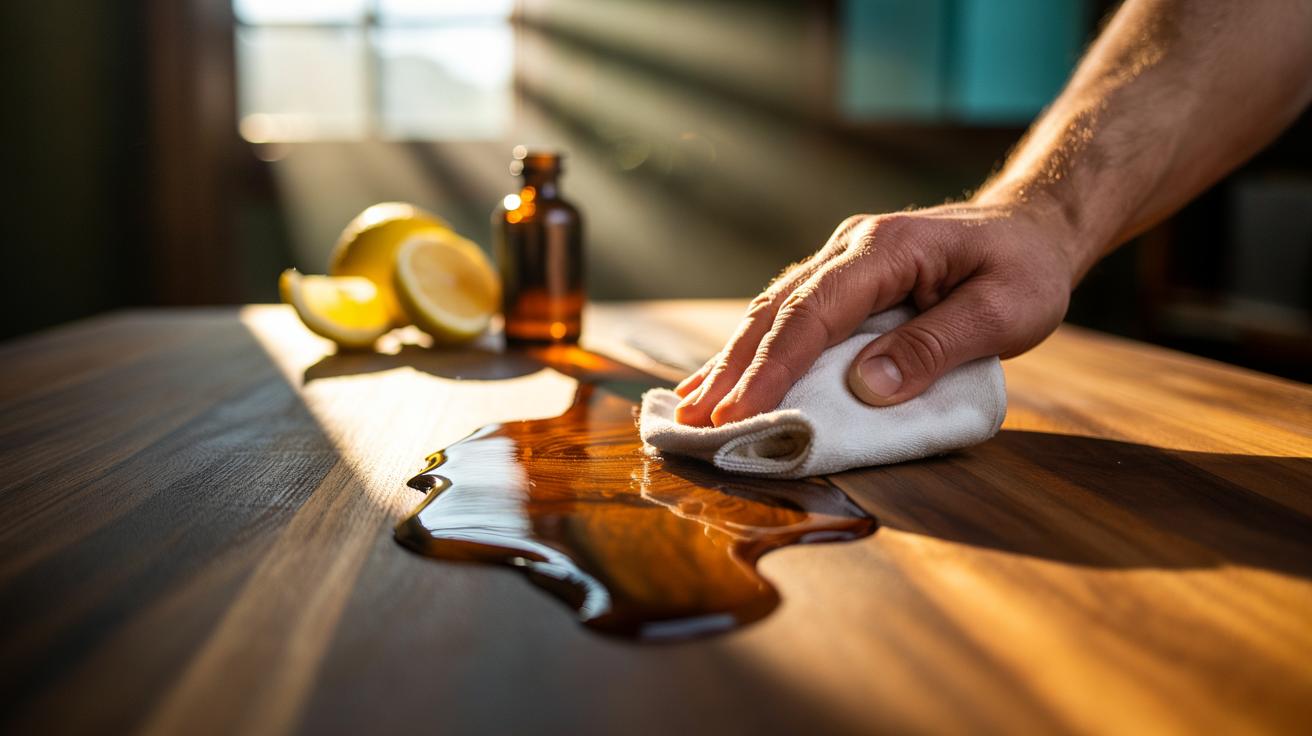
On a dull afternoon, one dash of lemon oil can turn a tired pine dresser into a piece that hums with life. Not a miracle, but close. The light catches the fibres and the wood’s figure seems to deepen, as if a veil has been lifted. That instant bloom is not sleight of hand; it’s chemistry meeting craft. Used well, lemon oil becomes a fast, forgiving polish that coaxes out warmth, clarity and a satisfying tactile glow. It’s the quick fix professionals keep within arm’s reach because it looks natural, smells uplifting, and works in minutes. Here’s how this small bottle makes grain gleam gloriously—and how to deploy it with confidence.
Why Lemon Oil Makes Grain Sing
Two things make lemon oil special: gentle solvency and optical clarity. Its dominant terpene, d‑limonene, softens waxy grime and fingerprints without chewing through most finishes. That lets the oil lift haze and let grain contrast breathe. At the same time, the oil’s refractive qualities reduce light scatter in micro-scratches and pores, so the surface reads deeper, richer, more even. The effect is immediate. On oak, medullary rays pop. On walnut, the chocolaty heartwood darkens a shade and glows.
There’s a mechanical benefit too. Thin oil carries into tiny capillaries, easing dryness and reducing the chalky look that blights older pieces. It brightens the timber’s figure without building a plastic film that can smother character. That matters if you dislike the slick, sealed look some silicone-heavy sprays leave. Lemon oil also disperses odours and brings a fresh, clean note to rooms—useful after a renovation or a winter of closed windows. It’s not a finish in the strict sense, but a smart optical tune-up that flatters what’s already there.
The Right Technique: From Dust to Dazzle
Start with dust. A dry microfibre cloth, a soft brush for crevices, and patience. Any grit you leave becomes a swirl mark. Next, test in an inconspicuous spot—beneath a table apron or the back of a leg—especially if the piece is French polished or very old. Add a teaspoon of lemon oil to a folded cloth. Never pour onto the timber. Work with the grain in slow, overlapping strokes. Then lightly across the grain to chase oil into pores, and finish with the grain again. Small motions. Minimal pressure.
Wait a minute, then buff with a clean, dry cloth until the surface feels almost dry. That last buff is the secret to sparkle. Less product, more polishing: that’s the formula for honest-looking sheen. For tabletops, do a second pass near edges, where hands leave salts. Avoid soaking veneer edges or joints. On floors, go sparingly and warn about slip risk. Frequency? For busy hall tables and kitchen chairs, every month or two; for cabinets and bookcases, once a season. Keep bottles away from heat, cap tightly, and label date of opening so the scent stays bright.
Lemon Oil vs Other Polishes: A Quick Comparison
Choosing the right polish hinges on finish type, time available, and the sheen you want. Lemon oil wins for speed and authenticity on sealed wood that’s lost its sparkle. Beeswax excels when you want a soft, velvety patina and are willing to work. Silicone sprays deliver instant gloss but can complicate future refinishing. Mineral oil is neutral and food-safe for boards, less vivid on fine furniture. The matrix below clarifies the landscape at a glance.
| Polish | What It Does Fast | Best For | Watch-outs |
|---|---|---|---|
| Lemon oil | Boosts grain contrast, cuts light grime | Sealed furniture, tired veneers | Test on shellac; don’t over-apply |
| Beeswax | Warm, diffuse sheen; fills micro-scratches | Antiques, hand-rubbed looks | More elbow grease; can attract dust |
| Silicone spray | High gloss, instant slickness | Shop floors, quick staging | Residue can hinder refinishing |
| Mineral oil | Neutral refresh; hydrates fibres | Cutting boards, butcher’s blocks | No aroma; modest visual pop |
Match the product to the job, not the other way round. If you plan to French polish later, avoid silicone. If the piece lives under a skylight, a thin oil-and-wax routine gives both glow and slight UV buffering. Always read labels: some “lemon” polishes are just scented silicones. Seek formulations that state pure lemon oil or d‑limonene with light carrier oils.
Caring for the Long Term: Beyond the Instant Shine
That first radiant wipe is only part of the story. Keep wood stable and it keeps rewarding you. Aim for indoor relative humidity around 40–55% to prevent shrinkage lines and lifted veneer. Rotate ornaments and lamps so light doesn’t etch pale islands into tabletops. Blot spills immediately, then refresh the area with a pea-sized drop of lemon oil and a brisk buff. Treat polish as maintenance, not a mask for deeper damage. White rings from hot mugs? Try gentle heat with a hairdryer and cloth before reaching for abrasives. If you favour a silkier feel, layer a whisper-thin beeswax over an oil-polished surface once or twice a year.
Storage matters. Keep cloths clean, sealed in a bag, and washed separately to avoid silicone cross-contamination. For dining tables, schedule a light oil polish before hosting; fingerprints lift, cutlery marks mute, and the room smells freshly zested. For heirlooms, log dates and products used—useful for future conservation. And remember: sunlight is the great leveller. Draw blinds at peak hours and rotate pieces seasonally to preserve the luminance that lemon oil so delightfully reveals.
Lemon oil won’t turn a sagging finish into a showroom coat, yet it’s astonishing how quickly it revives honest timber. A dab, a disciplined wipe, a committed buff, and suddenly the grain leaps, the tone mellows, the room feels cared for. It’s low risk, good value, brilliantly scented craft. Most of all, it respects wood, letting its story show through rather than smothering it. Whether you’re refreshing a charity‑shop find or tending a Victorian sideboard, will you reach for lemon oil first—or pair it with wax for a signature glow that’s unmistakably yours?
Did you like it?4.5/5 (28)