In a nutshell
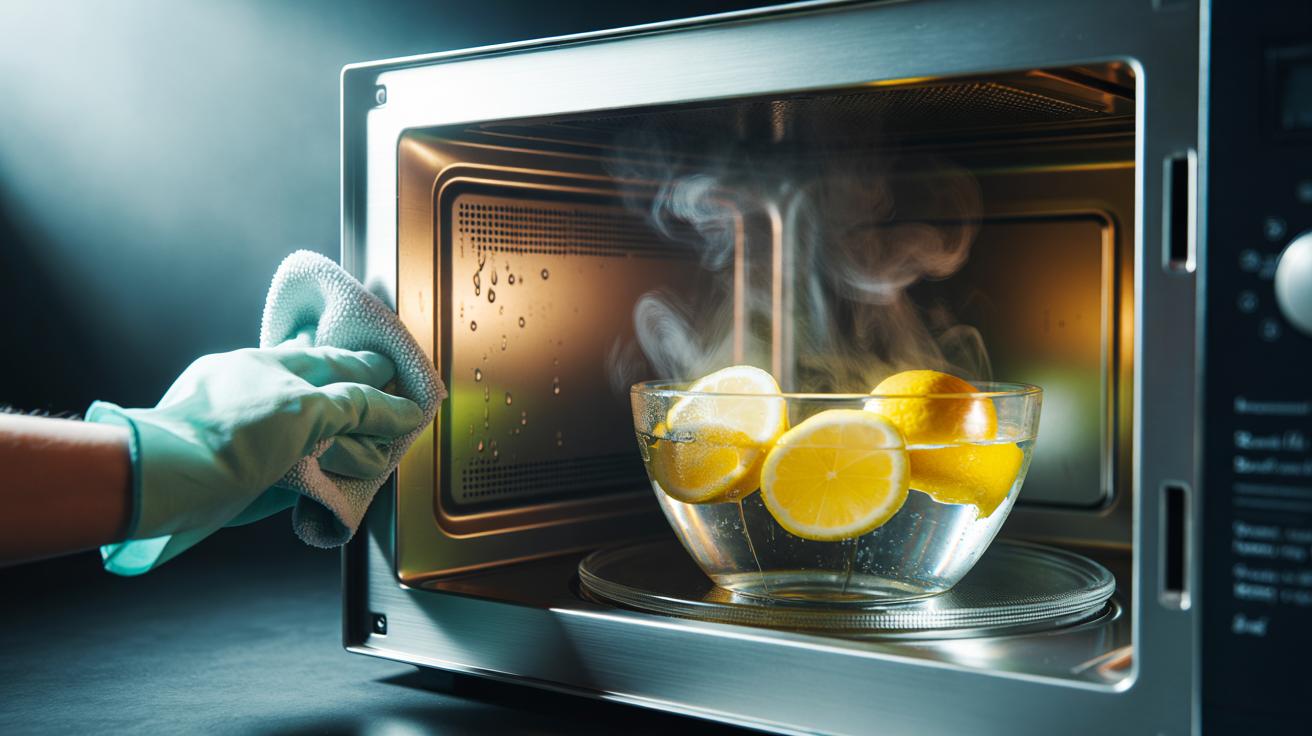
- 🍋 Clean a grimy microwave in about 90 seconds using a lemon slice and water; the warm acidic mist loosens hard-set splatters for an easy wipe-down.
- ⚗️ The science: citric acid chelates mineral “glues,” limonene dissolves grease, and steam swells residues—an effective three-angle attack on grime.
- ⏱️ Method: heat 150–200 ml water with a lemon slice, let the chamber dwell 30–60 seconds, then wipe; adjust time by wattage (700–800 W: 90–120 s; 900 W: 75–90 s; 1000–1100 W: 60–75 s).
- 🧤 Safety: use a microwave-safe bowl, avoid mixing acids with bleach or ammonia, watch for superheating, protect enamel chips, and dry rubber seals after cleaning.
- 🧼 Beyond microwaves: citrus tackles limescale in kettles, deodorises boards and bins, lifts stains from lunchboxes, and freshens steel taps—cheap, low-tox, and effective.
It’s the cleaning hack that sounds like folk wisdom but stands up to science: a lemon slice in the microwave, a splash of water, and 90 seconds later the caked‑on splatters surrender. Steam lifts the grime. Acid breaks its bonds. Oils dissolve the grease. The result? A fresher, brighter cavity without harsh chemicals or elbow grease. In busy British kitchens, where beans bubble and curries sputter, this quick method rescues weeknight appliances and weekend sanity. It’s cheap. It smells like summer. And, crucially, it works on both sticky sugars and stubborn fat. Here’s why citrus cuts through the mess so fast—and how to do it safely, every time.
The Chemistry Behind Citrus Power
The hero is citric acid, abundant in lemon juice, with a pH around 2. This mild organic acid chelates metal ions—think calcium and iron—so it loosens limescale and the mineral “glue” that binds baked-on splatters. Meanwhile, the microwave agitates water molecules, producing hot vapour that softens residues and opens micro-cracks in dried sauces. Steam swells the mess; acid slips between layers; the bond breaks. There’s more: lemon rind contains limonene, a solvent-like oil that disrupts greasy films, much like a gentle, natural degreaser. As the slice heats, those oils volatilise and mingle with the moist air, carrying solvent power into crevices.
Heat does double duty. It accelerates chemical reactions and drives moisture deep into crusted food. That’s why the combo is so swift. Sugary splatters, which caramelise and cling, soften as water penetrates; proteins denature further and lose structure; fats re-liquefy just enough to wipe away. The effect isn’t brute force. It’s orchestrated. In 90 seconds you create a warm, acidic mist that dismantles residues from three angles: chelation, solvent action, and steam swell. No scratchy pads required, only a cloth and a satisfying swipe.
Step-By-Step: The 90-Second Method
Slice a fresh lemon across the equator. Drop a thick wheel into a microwave-safe bowl with 150–200 ml of water. For extra oomph, squeeze the slice lightly so some juice clouds the water. Place the bowl centrally. Heat for around 90 seconds until you see vigorous steaming. Then pause. Keep the door closed for 30–60 seconds to let the vapour work. This dwell time is the secret—steam plus acid needs a moment to infiltrate the crust. Open, remove the bowl carefully, and wipe all surfaces with a clean microfibre cloth. Stains that once needed scouring should lift in a few passes.
| Microwave Wattage | Time to Steam | Notes |
|---|---|---|
| 700–800 W | 90–120 s | Use full minute of dwell |
| 900 W | 75–90 s | Standard home setting |
| 1000–1100 W | 60–75 s | Watch to avoid boiling over |
| Heavily Soiled | Repeat once | Add a second lemon slice |
If odours linger, wipe with the warm lemon water itself, then dry the interior to prevent new spots. For glass turntables, remove and wash at the sink while still warm—the heat loosens protein films and sugar scorch. Add a pinch of salt to the lemon face and use it as a gentle scrub for tough corners. Keep the door ajar after cleaning to let moisture escape; that reduces future sticking and musty smells.
Safety, Materials, and What Not to Mix
Microwaves can superheat very smooth water. The lemon slice helps by creating bubbles and safe nucleation points, but caution still matters. Use a microwave-safe bowl, handle with oven gloves, and never lean over the bowl when opening. Let the steamy chamber rest 30 seconds before grabbing the dish. Avoid metal racks or trim. If your microwave has them, remove before steaming. Ventilate if you’re sensitive to citrus vapour; it’s pleasant, but concentrated fragrance can tickle throats.
Do not mix lemon with bleach or ammonia-based cleaners—acids can release chlorine or irritating chloramines. Rinse any residual products first. Skip bicarbonate of soda in the bowl; it neutralises the acid and blunts cleaning power. On delicate stones nearby (marble worktops), prevent drips; acids can etch calcium-rich surfaces. For rubber seals, brief contact is fine, but wipe dry afterwards to prolong flexibility. Pets? Keep them out of the kitchen while the unit is hot. And if your appliance interior is enamelled and chipped, use a softer cloth to avoid catching edges.
Beyond the Microwave: Other Citrus Cleaning Wins
The same chemistry tackles messes elsewhere. Kettles with limescale respond beautifully: add lemon slices and water, bring to a boil, leave 20 minutes, rinse. Citric acid chelates mineral deposits without harsh fumes. Plastic lunch boxes stained with tomato sauces? Warm water with lemon juice, close the lid, wait, then wash—limonene lifts oils that carry pigment. Smelly chopping boards benefit from a rub with a salted lemon half, then a rinse; the combo deodorises and gently abrades.
Bins, fridges, and extractor hoods also welcome citrus. A spritz made from diluted lemon juice and a drop of washing-up liquid cleans stainless steel, while the fragrance masks lingering odours. On taps and showerheads, a lemon wedge strapped on with elastic dissolves limescale in an hour. For laundry, a small measure of citric acid solution in the drum can soften hard water—but test dyes first. In all cases, the rule holds: steam or warm water boosts the acid’s reach, letting it seep into films and scale. That’s the quiet genius of citrus—cheap chemistry doing elegant work.
In under two minutes, the lemon-and-steam trick turns a splattered microwave from crusty to clean, powered by citric acid, limonene, and heat. It’s low-cost, low-tox, and surprisingly thorough, especially if you allow that crucial dwell time. The method respects your time and your appliance, while leaving a kitchen-fresh scent instead of a chemical fog. Small rituals like this prevent mess from becoming maintenance. Will you try the 90‑second citrus blast tonight—and where else might a slice of lemon simplify the chores you’ve been putting off?
Did you like it?4.6/5 (29)