In a nutshell
- 🍋 Lemon zest + steam releases aromatic oils—notably limonene and citral—that dissolve greasy films, so odours are neutralised rather than masked.
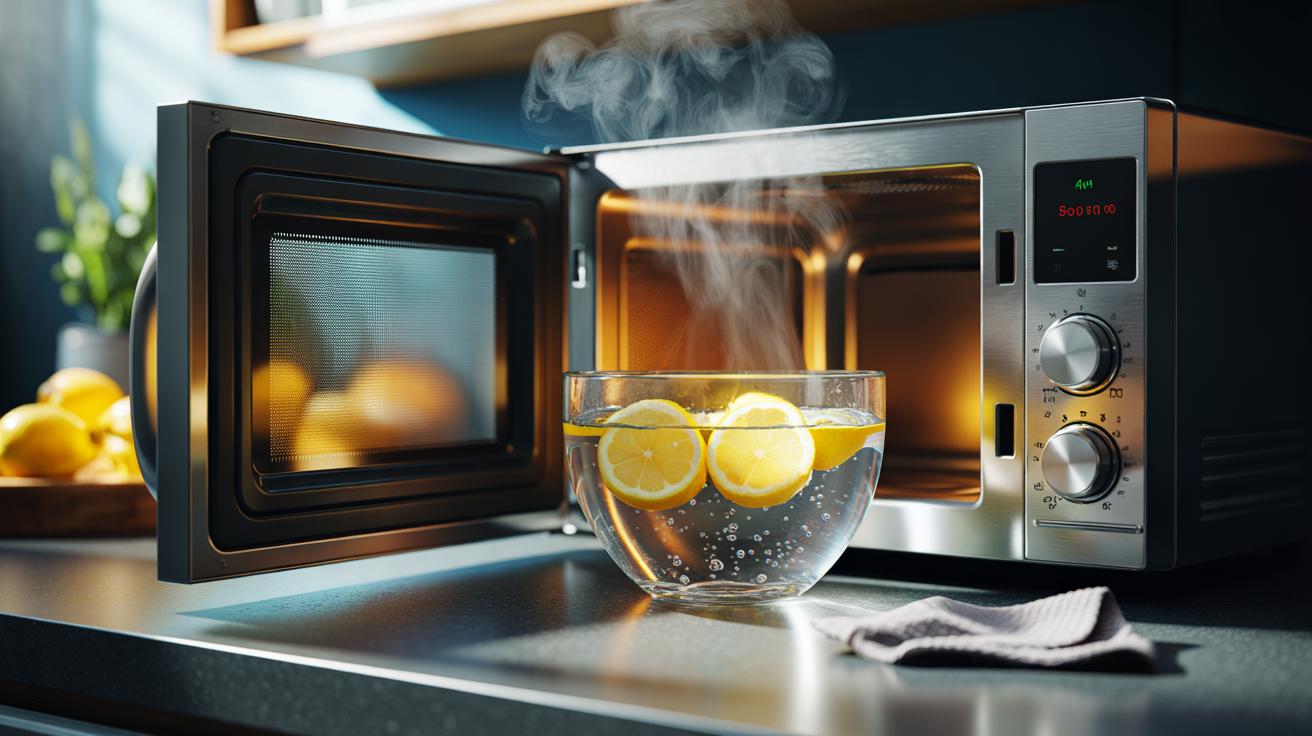
- ⏱️ The five-minute citrus steam method: zest and water in a bowl, microwave 3–5 minutes, let vapour dwell, then wipe—quick, cheap, and highly effective.
- 🧪 Chemistry at work: hydrophobic oils mingle with hydrophobic residues, while mild acidity and citral’s reactivity blunt sulphur and amine notes for a cleaner-smelling cavity.
- 🛡️ Safety and maintenance: use a wide, stable bowl, handle hot water carefully, clean seals and the roller ring, and repeat weekly; orange or lime peel also works.
- 🌿 Results and benefits: a fresher microwave, less residue to re-release smells, gentler cleaning, and a low-waste routine that keeps heating performance consistent.
The quickest cure for a smelly microwave is already hiding in your fruit bowl. Grate a little lemon zest, add water, press start, and five minutes later the curry, bacon, or burnt-popcorn fug retreats. It isn’t magic. It’s chemistry and clever use of heat, moisture, and aromatic oils. The citrus peel releases a potent mix of limonene and citral, while hot vapour loosens greasy films that trap odours. In a small, enclosed cavity like a microwave, volatile citrus compounds work fast, saturating the air and coating surfaces where smells linger. The result: fresher air, cleaner walls, and a routine you can repeat without harsh products.
Why Lemon Zest Works in a Microwave
Peel power matters. Microwaves heat water molecules rapidly, creating steam that creeps into seams, vents, and the turntable rim. Add lemon zest and that steam is now carrying light, oily molecules such as limonene and citral. These compounds are excellent at interacting with the hydrophobic residues left by splattered sauces and buttery leftovers. Odours cling to film; dissolve the film and you disarm the smell. The zest’s oils soften that residue, while the fruit’s mild acidity helps loosen mineral specks that hold grime in place.
Timing is crucial. Five minutes is long enough to produce a moist, citrus-laden atmosphere but short enough to avoid scorching. The scent doesn’t simply mask; the aromatic oils adsorb onto airborne and surface-bound malodour molecules, changing how they volatilise and, effectively, how your nose perceives them. Some oxidation occurs as hot air and trace oxygen contact the oils, further dulling sulphurous notes from fish or reheated brassicas. The mechanism is gentle, safe for enamel interiors, and brilliantly cheap.
Think of it as a micro clean-and-condition cycle powered by a peel. You are not just perfuming the air; you’re breaking the bond between odour and surface, leaving less for tomorrow’s reheat to re-liberate.
The Five-Minute Citrus Deodorising Method
Grab a microwave-safe bowl, half a lemon, and a grater. Zest the lemon directly into the bowl to capture the freshest volatile compounds, then add the squeezed halves and about 250 ml of water. Optional: a teaspoon of bicarbonate of soda for stubborn films. Place the bowl centrally, microwave on high for 3–5 minutes until the window fogs and the water boils vigorously. Keep the door shut for another minute to let the vapour dwell. Carefully remove the bowl, then wipe walls, ceiling, and plate with a damp cloth.
Short, simple, consistent. The wipe-down is where the magic becomes visible, as softened grease lifts in one pass. For heavy odours, run a second one-minute burst and repeat the dwell. If your unit has a porous splatter guard or a tired door seal, spend an extra 30 seconds on those areas; they’re common smell traps. The whole routine takes less time than a kettle boil and a phone scroll, but saves you a harsher clean later.
| Step | Time | What Happens |
|---|---|---|
| Zest + water + halves | 1 min | Releases aromatic oils into water |
| Microwave on high | 3–5 mins | Steam carries limonene and softens grime |
| Door closed, dwell | 1 min | Odours adsorb to oil film; residue loosens |
| Wipe surfaces | 2 mins | Residue lifts; cavity smells neutral |
How Aromatic Oils Neutralise Stubborn Smells
Smell science starts with polarity. Many foul kitchen odours are hydrophobic or semi-volatile, hitching a ride on greasy deposits. Citrus aromatic oils are also hydrophobic, so like attracts like: they mingle with and disrupt the greasy matrix that protects smell-active molecules. Once the matrix breaks down, a quick wipe removes both the film and the odour at source. Meanwhile, citral’s reactive aldehyde group can temper some sulphur notes, trimming the punch of reheated fish or eggs.
Temperature and humidity turbocharge this effect. Hot vapour swells polymers in dried splatter and softens fats, allowing limonene-rich droplets to spread thinly across the walls. These droplets don’t merely perfume; they reduce the volatility of niffs by changing the surface chemistry. The mild acidity from lemon juice slightly lowers pH, which helps release amine-based smells. It’s a one-two punch: dissolve, then dislodge. The confined space of a microwave ensures rapid saturation, hence the near-instant improvement.
This is why the method works across cuisines, from garlicky stews to smoky bacon. You’re not hiding anything with a stronger fragrance; you are neutralising the conditions that make odours persist and reappear with every heat cycle.
Safety, Maintenance Tips, and When to Deep-Clean
Common sense first. Use a wide, stable bowl and avoid overfilling; superheated water can spit. Always open the door carefully and handle the bowl with oven gloves. If the microwave interior is cracked or the turntable is unseated, pause the routine and sort those issues. Steam is safe when respected; rush it and you risk a scald. Keep metal racks out unless your model explicitly allows them during steaming. If citrus isn’t your thing, orange peel or lime zest delivers similar chemistry with a softer scent.
Make it maintenance, not a rescue mission. Run the five-minute citrus cycle once or twice a week, especially after messy cooks. Replace the turntable seal if it’s perished; clean the vent grill with a brush. For persistent smells, remove and wash the turntable roller ring—those wheels harbour grime. If you spot brown tar-like specks that return immediately, perform a deeper clean with a gentle degreaser and rinse thoroughly before the citrus run.
A clean start stops odours from embedding and saves energy because your microwave heats more evenly. Treat the lemon method as your quick reset, and use a monthly deep-clean to keep things truly neutral.
In a world of sprays and plug-ins, a lemon does the lot—fast, cheap, effective. The five-minute steam harnesses limonene, citral, heat, and humidity to dissolve films and neutralise odours at their root, not just mask them. It’s repeatable, low-waste, and gentle on finishes. Once you’ve tried it, the difference is immediate and obvious. Will you make citrus steam part of your weekday routine, or will you experiment with other peels and timings to tune the fragrance and punch for your own kitchen?
Did you like it?4.6/5 (26)