In a nutshell
- ♻️ Refill-and-Return replaces single-use with a closed-loop fleet of reusable, QR‑coded containers; you pay a small refundable deposit, scan when empty, and book quick pickup or drop-off.
- 🚚 Behind the scenes, existing routes enable efficient reverse logistics; regional wash hubs handle high‑temperature sterilisation with HACCP tracking before containers re-enter circulation.
- 🛒 For households, it prioritises convenience: tidier cupboards, airtight, durable storage that keeps food fresher, and instant automatic credits—online, click‑and‑collect, or in‑store.
- 🏪 Retailers cut volatile packaging costs and rising EPR liabilities, standardise sizes to reduce damage, and boost loyalty, aligning with UK reuse goals and net‑zero commitments.
- 📊 Practical habits—start with fast-churning staples, use a refill app, keep a returns crate—can save about 30 kg of plastic per year, alongside options like BYO, bulk stations, and returnable crates.
Plastic packaging is everywhere in British supermarkets, yet shoppers are hungry for change. The next leap isn’t a niche tote-bag trend; it’s a system-level shift that makes sustainable choices the default. Picture groceries arriving in robust, reusable containers that you don’t need to own, with deposits returned automatically and convenient doorstep pickups when you’re done. That’s the promise of a modern, tech-enabled refill-and-return model. It trims waste. It trims cost. It trims faff. The result is simple: you get the staples you love without sending yet another flimsy wrapper to landfill or the ocean. Here’s how the new routine works—and how it can work for you.
How Refill-and-Return Systems Work
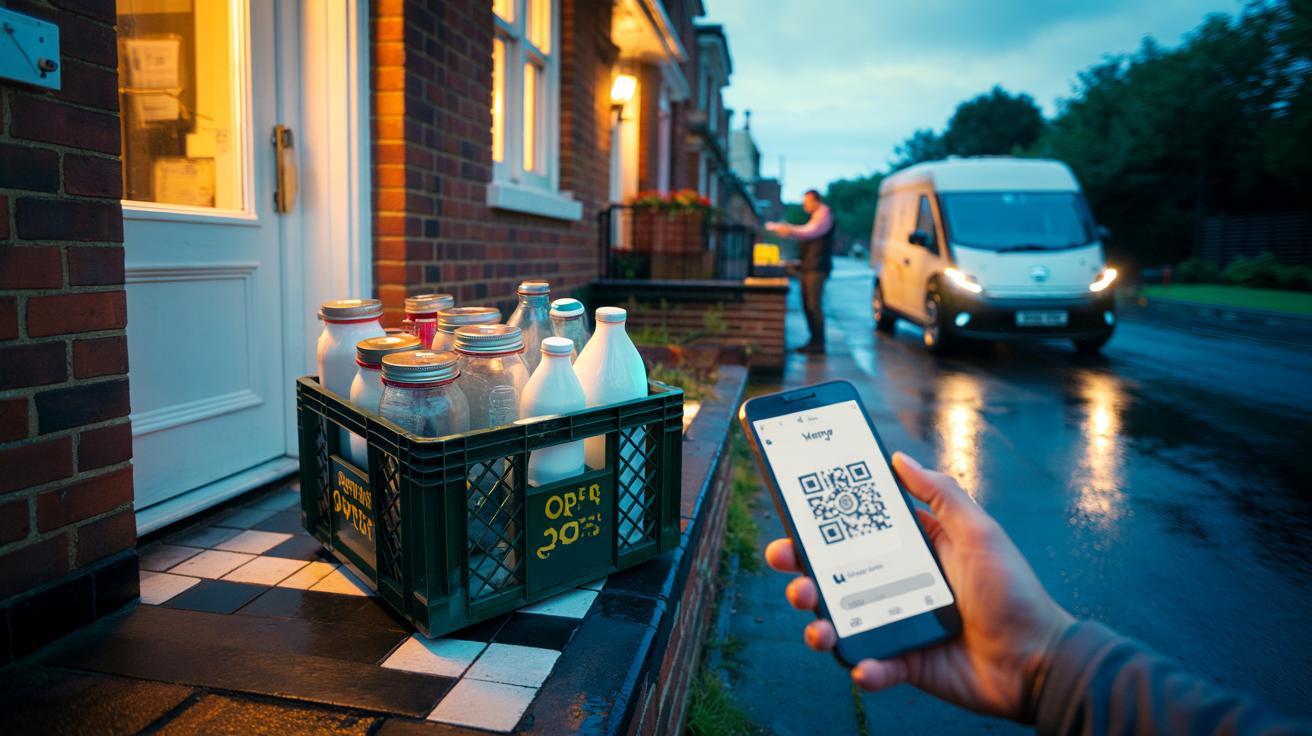
At the heart of the model is a closed-loop container fleet. Think sturdy jars, pails, and insulated bottles fitted with discrete QR-coded tags. You buy pasta, oats, or washing-up liquid as usual—online or in store—and pay a small, fully refundable deposit per container. No guilt. No single-use film. When empty, you scan the code with a simple app and book a pickup or drop it in a local return bin. Your account is credited instantly once the container is logged back into the system.
Behind the scenes, retailers consolidate returns onto existing delivery routes using spare van capacity, an elegant piece of reverse logistics. Containers head to regional wash hubs where automated lines handle high-temperature sterilisation, inspection, and re-labelling. Safety matters: the equipment follows HACCP protocols and tracks wash cycles for audit. Then the fleet loops back to suppliers, ready for refills. In the UK, this slots neatly into grocery networks already moving milk crates and bread trays daily. It’s efficient because the infrastructure exists; what’s new is the software, the smart labelling, and a mindset that treats packaging as an asset rather than waste.
What It Means for Shoppers and Shops
For households, the benefits arrive fast. You stop juggling sachets and shrink-wrap. Cupboards look tidier. Food stays fresh longer in airtight, durable containers. And because deposits come back automatically, you’re not gambling with your money. Early adopters report fewer impulse buys thanks to clearer portions and refills. Convenience, not sacrifice, is what persuades busy families to change habits. Accessibility improves too: no need to remember your own jars, and no awkward decanting at a crowded refill station unless you want to. The system works whether you shop online, click-and-collect, or pop into a high street store.
For retailers, the maths is compelling. Single-use plastic carries volatile resin prices and rising EPR charges, while a reusable fleet spreads costs over hundreds of trips. Category managers can standardise sizes, stack better, cut damage, and reduce shrink. Loyalty grows when packaging becomes part of the service, not a nuisance to bin. Brands gain, too: high-quality, rebranded containers act as mini billboards in homes. Policy winds in the UK—WRAP targets, deposit return ambitions, net-zero timelines—favour reuse. Crucially, the model scales when it feels normal, priced fairly, and embedded in everyday delivery rhythms. Done right, this isn’t a premium gimmick; it’s the new baseline.
Tools, Habits, and Numbers: Making It Stick
Practicality wins the day. Start with staples that churn quickly—milk, cereal, rice, laundry liquid—so containers return often and deposits cycle back fast. Use a simple refill app to track credits, pickups, and favourites. Keep a small “returns crate” by the door; when it’s full, schedule collection. Consider a weekly rhythm aligned with your usual grocery delivery. If you prefer in-store, most schemes support scan-and-drop at the entrance. And yes, you can blend approaches: bring your own jars for deli counters, borrow containers for ambient goods, and stick with paper where it’s truly lower impact. Below is a snapshot of what choice can look like.
| Method | Packaging Type | Cost Impact | Carbon Saving | Practical Tip |
|---|---|---|---|---|
| Refill-and-Return | Reusable jar/bottle | Small refundable deposit | High over many cycles | Group returns weekly |
| Bring Your Own | Personal container | No deposit | High if used often | Weigh container at entry |
| Paper/Compostable | Single-use fibre | Neutral to slightly higher | Moderate; context-dependent | Keep dry goods only |
| Bulk Refill Station | In-store dispensers | Often cheaper per kg | High; minimal packaging | Shop off-peak hours |
| Returnable Crates | Milk/produce crates | Deposit or subscription | High in delivery loops | Leave crates by door |
Numbers help: shift ten weekly items to reuse and a typical UK family can trim around 30 kg of plastic per year, alongside measurable cuts in food waste from better sealing. Start small, standardise your containers, and the habit becomes effortless. The point isn’t perfection; it’s momentum.
Plastic won’t vanish overnight, but the British grocery shop is already learning a nimbler trick: make packaging work harder, not once. With smart containers, app-based deposits, and reliable washing hubs, reuse moves from worthy ideal to everyday standard. Retailers discover savings, households rediscover order, and streets stay cleaner when vans collect empties as routinely as they deliver milk. This is not a fad. It’s infrastructure. It’s service. It’s common sense with technology threaded through. If your local shop offered a seamless refill-and-return tomorrow, which of your weekly items would you switch first—and what would still hold you back?
Did you like it?4.5/5 (21)