In a nutshell
- 🔬 Prebiotic fiber is the single ingredient experts highlight for gut health, feeding microbes to produce short-chain fatty acids like butyrate that strengthen the gut lining, regulate appetite, and calm inflammation.
- 🧪 Fermentation of prebiotics in the colon boosts beneficial species like Bifidobacteria and Lactobacillus, supports a tighter gut barrier, improves regularity, and helps smooth blood sugar responses over weeks, not days.
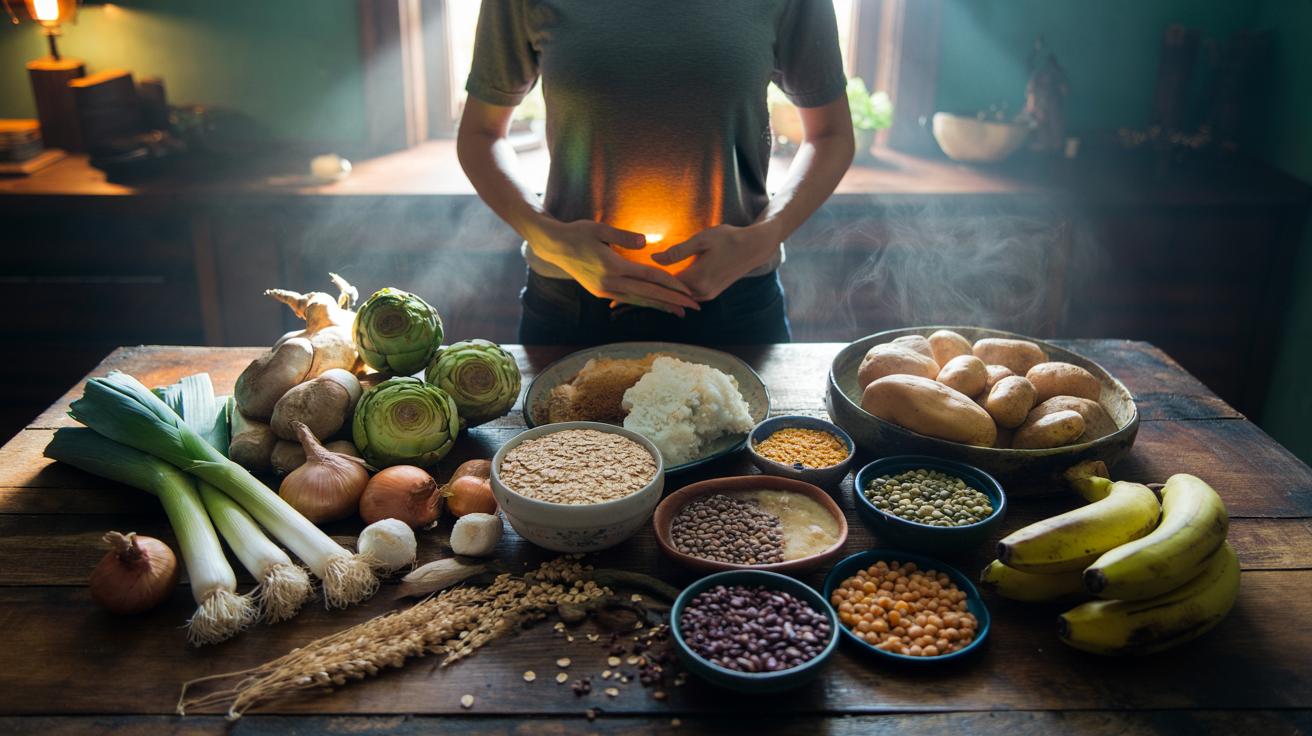
- 🥗 Top sources include onions, garlic, leeks, chicory root, Jerusalem artichokes (inulin/FOS), oats and barley (beta-glucan), beans and lentils (GOS), green bananas and cooked-then-cooled potatoes or rice (resistant starch).
- 🧭 Aim for 25–30 g total fiber daily with a few grams of dedicated prebiotics; start low and go slow, using gentler options (oats, firm bananas, partially hydrolyzed guar gum) if sensitive—gradual build beats sudden overload.
- 💡 Make it practical: add one prebiotic-rich food per meal, cook alliums well, rinse canned pulses, chill starches to raise resistant starch, hydrate, and prioritise consistency over intensity for durable results.
Every wellness trend promises a quick fix for a troubled tummy, yet the science keeps circling back to one unglamorous staple. Prebiotic fiber is the single ingredient most experts agree can transform gut health. It doesn’t require expensive supplements or exotic powders. It starts in the veg drawer and the grains aisle. By feeding friendly microbes, this humble nutrient helps produce compounds that calm inflammation, steady energy, and support a resilient digestive system. Think of it as compost for your internal garden. It’s simple, but not simplistic. And done right, it can change how you feel by breakfast next week.
The Ingredient: Prebiotic Fiber
The headline discovery is surprisingly down to earth: prebiotic fiber. Not a probiotic capsule, but the food those beneficial bacteria need to thrive. Prebiotics are specific fibers—such as inulin, fructo-oligosaccharides (FOS), galacto-oligosaccharides (GOS), and resistant starch—that your enzymes can’t break down. Your microbes can. They ferment these fibers into short-chain fatty acids like butyrate, acetate, and propionate. Those tiny molecules are big players, nourishing the gut lining, helping regulate appetite signals, and shaping immune responses. If you feed the right fibers, your microbiome pays you back in protective chemistry.
Prebiotic fiber hides in familiar foods: onions, garlic, leeks, chicory root, Jerusalem artichokes, oats, barley, beans, lentils, peas, green (less ripe) bananas, and cooked-then-cooled potatoes or rice. You don’t need perfection; you need pattern. Most adults benefit from aiming for 25–30 g of total fiber daily, including a few grams of dedicated prebiotics. That’s a bowl of oat porridge, a bean-based lunch, and an allium-rich dinner. Small daily doses beat occasional megadoses. Start with what you already eat and layer in a little more.
It’s not magic. It’s nutrition operating with microbial precision. The ingredient is cheap, available, and forgiving. Use it consistently and your gut ecosystem will start to shift, quietly and steadily.
How Prebiotic Fiber Rebuilds Your Microbiome
Here’s the mechanism that matters. Prebiotic fibers pass through your small intestine largely intact, landing in the colon where bacteria ferment them. That fermentation favors helpful species such as Bifidobacteria and certain Lactobacillus strains. The output—especially butyrate—is rocket fuel for colon cells, supporting a tighter gut barrier and smoother motility. When the barrier is resilient, irritants have a harder time stirring up trouble. There’s a secondary win too: these metabolites can dial down local inflammation and nudge blood sugar responses into a steadier pattern.
Balance is key. Feed a diverse microbial community and it becomes more stable, like a forest with many species rather than a monoculture. That stability shows up as fewer swings in bloating, more regularity, and better tolerance of a wider menu over time. It won’t erase every symptom in a day. Progress comes in weeks. If you’re sensitive, especially on a low-FODMAP plan, choose gentler options first—like oats, firm bananas, or partially hydrolyzed guar gum—and build gradually. Go slow enough that your microbes adapt without making you miserable. Think habit, not hack.
Best Food Sources and Simple Ways to Get Enough
The simplest route is a plate-led strategy. Combine allium vegetables with pulses and smart starches, then repeat. Breakfast could be warm oats topped with sliced firm banana and a spoon of yogurt. Lunch: lentil soup with a side of onion-rich salad. Dinner: garlicky chickpeas, roasted leeks, and a portion of potatoes cooked, cooled, and quickly reheated for resistant starch. Variety amplifies results, because different fibers feed different microbes. Aim for a few prebiotic-rich choices daily and your total adds up fast.
| Food | Key Prebiotic Compound | Typical Serving | Quick Use Tip |
|---|---|---|---|
| Chicory root / chicory coffee | Inulin | 1 cup beverage or 10–15 g root | Stir into coffee routine for a gentle start |
| Jerusalem artichoke | Inulin | 1 small tuber | Roast and pair with lemon and parsley |
| Onions, leeks, garlic | Inulin/FOS | ½–1 cup cooked | Sweat slowly to build sweetness without harshness |
| Oats, barley | Beta-glucan + prebiotic fibers | 40–60 g dry | Make porridge or add to soups for body |
| Beans, lentils, chickpeas | GOS + resistant starch | ½–1 cup cooked | Rinse canned pulses; add to salads or stews |
| Green (firm) bananas | Resistant starch | 1 small banana | Slice into oats; choose less ripe for more RS |
| Cooked-then-cooled potatoes or rice | Resistant starch | 1 cup cooked, cooled | Chill overnight; enjoy as salad or reheated |
Two practical rules keep things easy: hydrate well and step up gradually. Start by adding one prebiotic-rich food per meal and see how you feel for a week. If bloating pops up, reduce the portion, cook the veg longer, or switch to gentler sources. Add herbs, citrus, and a little fat to make fiber delicious. Consistency beats intensity, and your microbes love routine. Within a fortnight, many people notice steadier digestion and more satisfying fullness after meals.
Prebiotic fiber won’t trend on social media like a miracle tonic, but it delivers something better: durable change. Feed your microbes and they’ll stabilise your gut, your energy, and even your cravings. It’s democratic—budget friendly, supermarket available, family adaptable. The trick is to make it daily, not occasional. Start with one swap today, then another tomorrow, and let the chemistry accumulate. Your gut is an ecosystem; treat it like one. What’s the first prebiotic-rich food you’ll add to your plate this week, and how will you make it stick?
Did you like it?4.4/5 (22)