In a nutshell
- 🌟 Why it works: bicarbonate of soda is alkaline, a mild abrasive, and a natural deodorising agent—ideal for ovens, pans, tiles, mugs, and silicone seals.
- 🧪 Method: Mix a 3:1 baking soda-to-water paste, add a few drops of washing-up liquid for grease, let sit 10–30 minutes, then wipe with a damp microfibre; use vinegar sequentially, not mixed.
- 💷 Savings: Replace multiple branded cleaners with a kilo of baking soda and white vinegar to save £100–£200 annually, with a clear breakdown across oven cleaners, degreasers, limescale removers, and deodorisers.
- 🛡️ Safety: Patch test first, go light on pressure, avoid strong acids on natural stone, and finish with a thorough rinse for residue-free results.
- ♻️ Extras: Fewer plastic trigger bottles, fewer harsh fumes, and a simpler, reliable routine that keeps kitchens fresh and budgets intact with low-cost versatility.
There’s a thrifty, quietly radical shift happening in British kitchens, driven by a humble white powder you probably already own. Households facing the squeeze of the cost-of-living crisis are ditching expensive sprays and gels, and turning to bicarbonate of soda—better known as baking soda—to lift burnt-on grime, tame greasy films, and freshen fridges. It’s simple, safe when used sensibly, and remarkably effective. A small tub can replace a caddy of specialist products, without the harsh fumes or eye-watering price tags. The trick is a gentle paste, a little patience, and a light touch. What follows is the method that’s saving some households £100s annually, plus smart tweaks that make it work across ovens, pans, tiles, and taps.
Why Baking Soda Beats Stubborn Kitchen Stains
Bicarbonate of soda is a quiet overachiever. Its naturally alkaline pH helps break down acidic residues and cut through sticky, oxidised fats. As a mild abrasive, it gives just enough scrub to shift stains without gouging enamel or scratching tough glass. That double act—chemical softening and physical lift—means you loosen the bond between surface and stain rather than fighting it. Less elbow grease, more smart chemistry.
There’s also a deodorising bonus. Baking soda neutralises odours by reacting with volatile acids, ideal for fridges, chopping boards, and bins. In tests and kitchens alike, it shines on baked-on oven spills, tea-stained mugs, discoloured silicone seals, and greasy cooker hoods. The crucial caveat: use it correctly. Avoid heavy pressure on delicate finishes, and don’t pair with strong acids on sensitive stone. Used with care, baking soda is safe on most kitchen surfaces—and devastating on grime. That balance of efficacy, gentleness, and low cost is why it beats many pricier rivals, especially when you’re cleaning often or tackling accumulated mess.
The Method: Mix, Apply, Wait, Wipe
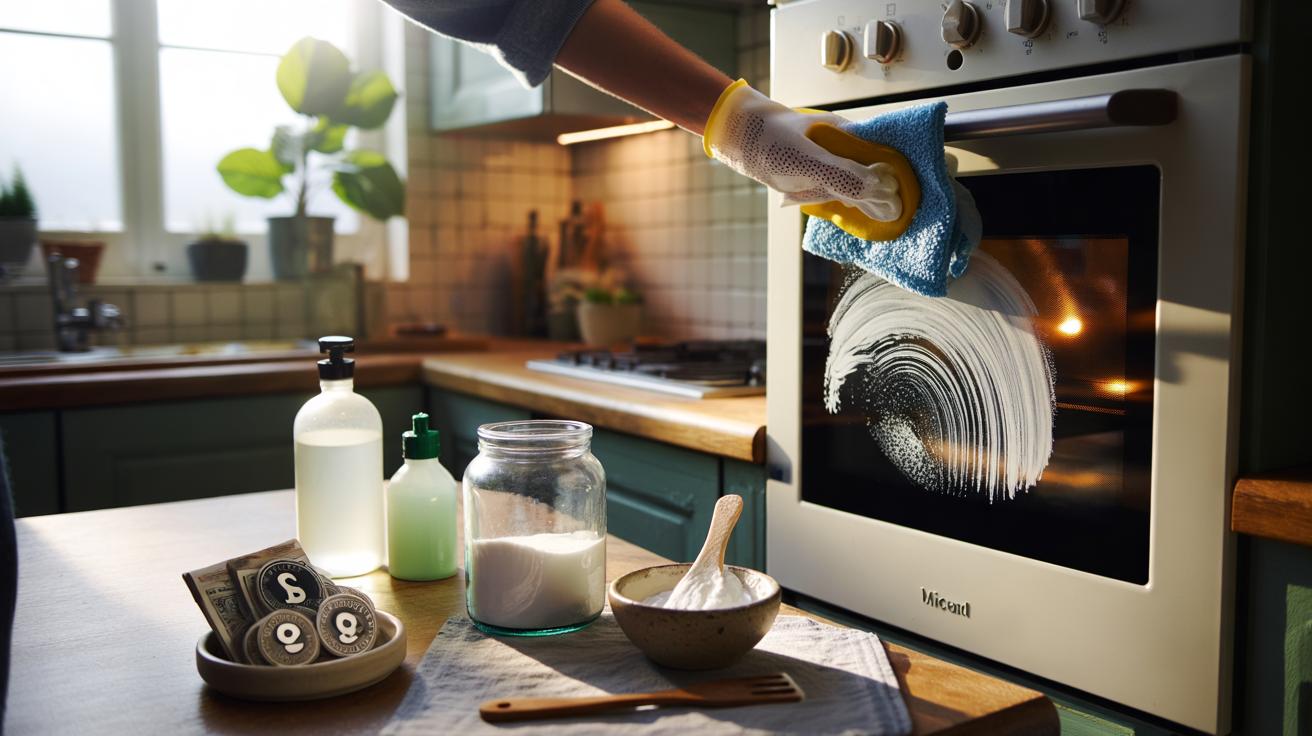
Start with a spot test in a discreet area. Then make a paste: roughly 3 parts baking soda to 1 part water for a spreadable, icing-like consistency. For greasy films, add a few drops of washing-up liquid to boost degreasing. Smooth the paste over the stain with a soft spatula or gloved fingers. Let time do the heavy lifting—10 to 30 minutes is ideal for stubborn patches.
Wipe with a damp microfibre cloth, rinsing it frequently. For ovens or pans with burned sugar or syrup, extend dwell time and refresh the paste if it dries. On vertical tiles, thicken the paste so it clings. If you love the fizz of vinegar, use it strategically: apply baking soda first, rinse, then spritz white vinegar to dissolve mineral traces, or reverse the order on limescale. Mixing both at once can neutralise cleaning power, so go sequential for best results. Scrub lightly, repeat where needed, and finish with a clean-water rinse to leave surfaces residue-free and gleaming.
Pounds and Sense: The Annual Saving Breakdown
Once you master the paste, the savings snowball. You swap a shopping basket of niche products for a kilo of bicarbonate of soda and a bottle of white vinegar. Fewer plastic triggers under the sink. Fewer repeat purchases. Fewer “specialist” fixes that do one job and expire quickly. The result can be triple-digit savings across a year, without compromising on cleanliness. Here’s a realistic snapshot for a typical household, based on mainstream UK prices:
| Category | Typical Annual Spend | Swap With | Estimated Saving |
|---|---|---|---|
| Oven cleaners (sprays/gels) | £12–£20 | Baking soda paste (+ a little vinegar) | £10–£18 |
| Degreasers (hob/cooker hood) | £10–£25 | Baking soda + washing-up liquid | £8–£20 |
| Limescale removers (kettle/taps) | £8–£15 | Baking soda, then white vinegar | £6–£12 |
| Fridge deodorisers | £5–£10 | Open tub of baking soda | £4–£9 |
| Stainless-steel polish | £10–£18 | Very light baking soda slurry | £8–£16 |
| Replacement of damaged pans/trays | £20–£80 | Restore with paste soaks | £20–£80 |
Add it up and many families reach £100–£200 a year, especially if you cook often and previously bought multiple branded cleaners. Keep receipts for a month, switch for the next, and compare—your own numbers will make the case. For best economy, buy bicarbonate of soda in 1 kg bags, store it airtight, and refresh little-and-often. That reliability—cheap, available, adaptable—is why the “baking soda trick” is quietly reshaping kitchen cleaning budgets across the UK.
Before you reach for something caustic, think simpler: baking soda softens burnt sugars, dislodges oily films, and freshens stale corners with minimal effort and spend. Let the paste sit, wipe gently, and enjoy the shine without the sting of harsh chemicals. Swap one product this week, then another next week, and watch your under-sink shelf declutter while your bills drop. If a stubborn patch resists, repeat with a longer dwell or add a dash of washing-up liquid. Which pricey cleaner will you replace first—and how much could that single switch save you by the end of the year?
Did you like it?4.6/5 (22)