In a nutshell
- 🔧 A one-pass rice flush quickly lifts rancid oils and compacted fines, restoring grinder flow and edge efficiency without disassembly.
- 🧪 Rice acts as micro-abrasives and starchy adsorbents, scrubbing burrs/blades and binding residue; it cleans, it doesn’t sharpen.
- 📏 Method: 20–40 g plain white long-grain, short pulses for blade or medium setting for burrs; brush, never add water, finish with a sacrificial bean grind.
- ⚠️ Use small doses and avoid brown/glutinous rice; check manuals as some brands warn against rice—choose cleaning pellets, brush, or vacuum if prohibited.
- ☕ Maintenance cadence: monthly for light use, fortnightly for oily dark roasts; rice is preventative care, not a fix for damage or misalignment.
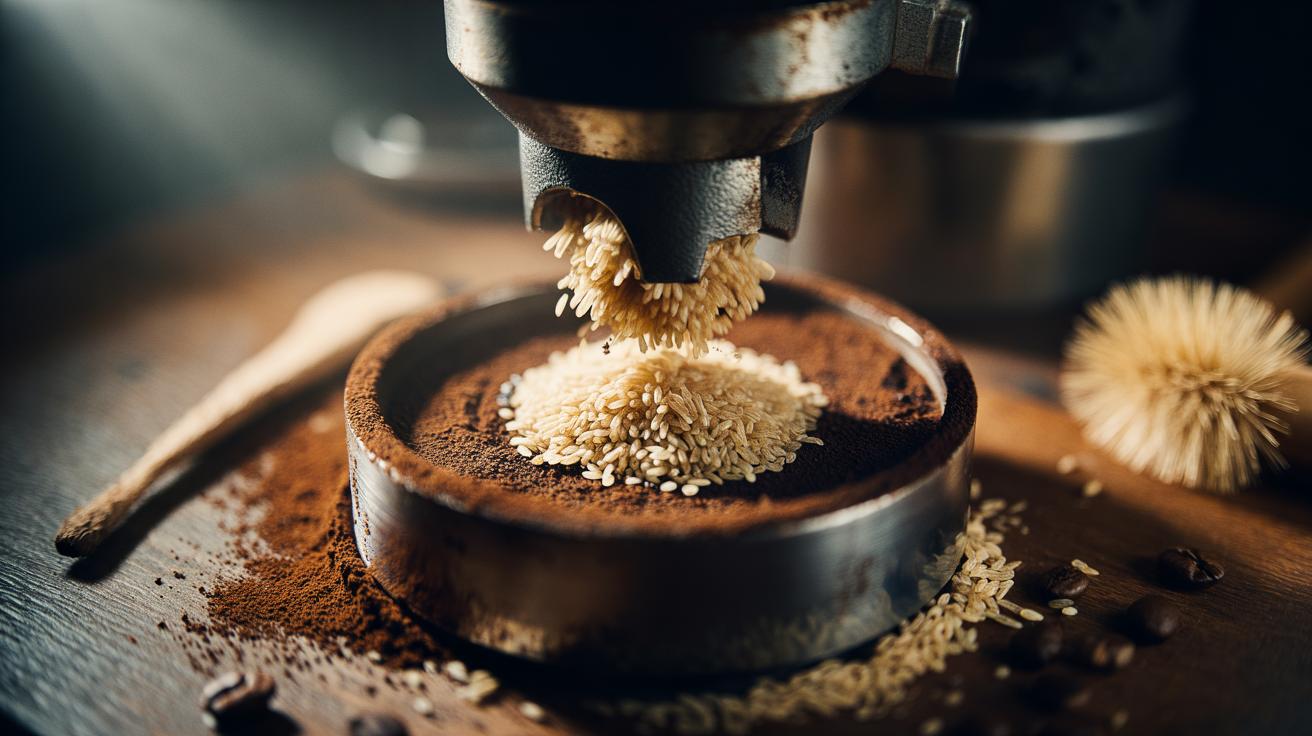
It’s the hack baristas whisper about when a grinder turns sluggish and coffee tastes flat: pour in a handful of rice, hit grind, and watch the residue vanish. It sounds folkish, even reckless, yet the method has science behind it. Dry grains act as micro-abrasives, loosening stubborn oils and compacted fines without tearing apart your hardware. One short grind can restore performance. No screwdrivers. No solvents. Just pantry staples and common sense. Still, not all rice, nor all grinders, respond the same way. Here’s how the technique works, why it’s effective, when to avoid it, and the safer alternatives if you’re cautious about warranties or delicate burr sets.
Why Rice Works: Abrasion, Adsorption, and Edge Refresh
Blade and burr grinders fail for two reasons: stale oils smear the cutting edges, and fine particles choke the path between teeth. Dry rice addresses both. Its hard, brittle structure fractures into angular shards that behave like soft grit, scrubbing along the metal and ceramic surfaces while sweeping packed fines out of crevices. At the same time, the starchy dust produced during the grind binds to residual coffee oils. That dust becomes a makeshift sponge, carrying rancid films away as you discard it. The effect is gentle yet decisive. The edges aren’t sharpened; they’re simply un-gunked.
In a single grind, you’re also regulating heat. Because rice contains little oil and no aromatic compounds, it runs cooler than a charge of beans and won’t contribute off-flavours. The result: a cleaner chamber, freer-moving burrs, and a subtle “edge refresh” that restores cutting efficiency without aggressive abrasion. It’s a maintenance pass, not a repair job. For neglected grinders, you may need two passes, but most home machines respond after one brisk cycle and a quick wipe-down.
Step-By-Step: A One-Grind Rice Flush for Blade and Burr Grinders
Start with an empty, unplugged grinder. Tap out loose coffee. Then measure your rice. For blade grinders, use 2–3 tablespoons (about 20–30 g). For electric burr grinders, 30–40 g usually suffices; hand grinders take less. Use plain, uncooked white rice. Pour it in, reassemble, and prepare to run short bursts if you have a blade machine. Ten seconds, shake, another five. Stop when the sound shifts from crunch to soft whirr. In burr grinders, run the hopper load through in one go at a medium grind, then discard the pale rice flour and any husk-like fragments.
Now clean the remainder. Brush the chamber, wipe the lid, and nudge chutes with a soft, dry brush. Never add water to the burrs. Finish by grinding a teaspoon of sacrificial beans to purge starch dust and confirm that feed and flow feel normal. If the grinder was heavily coated, repeat once. This entire routine takes three minutes. No drama. No mess. Done properly, a single rice grind clears baked-on residue, restores throughput, and primes the machine for consistent particle size again.
Choosing the Right Grain: What Kind of Rice, How Much, How Often
Not every bag of rice is a good idea. Choose plain white long‑grain or “minute” rice; both fracture cleanly and shed effective polishing dust. Avoid brown rice, which carries natural oils you’re trying to remove, and steer clear of sticky or glutinous varieties that can smear. Small quantities are safer than large dumps, because you want controlled abrasion rather than a starchy storm inside a tight burr set. Frequency matters too. Light home users can flush monthly; heavy espresso drinkers might benefit every fortnight, especially if they gravitate toward darker roasts that leave more oil.
| Grinder Type | Recommended Rice | Amount | Risk Level | Notes |
|---|---|---|---|---|
| Blade | White long‑grain | 20–30 g | Low | Pulse in short bursts; shake between pulses. |
| Electric Burr (Steel) | White long‑grain or instant | 30–40 g | Moderate | Run at medium grind; brush chute after. |
| Hand Burr (Ceramic) | Instant rice | 10–20 g | Moderate | Go gently; tighter tolerances can compact dust. |
As a rule, follow the smallest effective dose and keep the grind time short. If you smell starch or see heavy residue, stop and brush immediately. A quick sacrificial bean grind afterwards removes the last traces and protects your next cup’s aroma.
Caveats and Alternatives: When to Avoid Rice and What to Use Instead
Manufacturers differ. Some endorse rice; others, notably premium burr brands, caution against it because starch dust can compact in tight clearances or void warranties. If your manual says no, believe it. In that case, reach for grinder cleaning pellets—formulations like Cafetto or Grindz—that mimic rice abrasion without the same starch load. They’re pricier but predictable. You can also dislodge surface oils with a dry nylon brush, wooden skewer for the chute, and a soft vacuum. Avoid liquids unless the maker explicitly approves wet cleaning. Moisture plus coffee fines equals paste, which is the enemy of clean burrs.
Mind your roast profile. Dark, shiny beans leave heavy films; they benefit most from an occasional flush. Light roasts leave less residue but more chaff; your main job there is sweeping. If static is a problem, wait ten minutes before cleaning so dust settles. And if your grinder is already misaligned or visibly nicked, a rice pass won’t fix geometry—it only removes crud. Think of rice as preventative care, not surgery. Used judiciously, it’s fast, cheap, and kinder than full disassembly on a busy weekday morning.
In the time it takes to boil a kettle, a simple rice grind can lift stale oils, clear fines, and put a dulled grinder back on song. The trick is choosing the right grain, using modest amounts, and finishing with a quick brush and a sacrificial grind to chase off lingering starch. If your machine’s maker forbids rice, tablet cleaners and a careful dry brush achieve similar results with less risk. Either way, you protect flavour and extend hardware life. When your brew tastes muddy or your grinder sounds strained, will you try a one‑pass rice flush—or reach for pellets first?
Did you like it?4.5/5 (26)