In a nutshell
- 🏠 Seal the envelope: prioritise draught-proofing doors, chimneys and floorboards, top up loft insulation to around 270 mm, consider secondary glazing and underfloor insulation to cut heat loss fast.
- 🔧 Tune heating for efficiency: use TRVs to zone rooms, set thermostats ~18–20°C, lower boiler flow temperature to 55–60°C, and bleed/balance radiators; smart controls and weather compensation boost comfort and savings.
- 🚿 Prevent winter damage: fit pipe lagging and tank jackets, enable frost protection, know your stopcock; tackle moisture with extractor fans, a dehumidifier, and keep relative humidity near 40–60% to avoid condensation and mould.
- 🌬️ Ventilate right: seal unwanted leaks but maintain purposeful ventilation in wet rooms; consider air-tightness checks, clear gutters, and pull furniture off cold external walls to stop mould-prone cold spots.
- 💷 Cut costs with support: switch to time‑of‑use tariffs where suitable and explore UK schemes like GBIS, ECO4, the Warm Home Discount, and the Priority Services Register for free or subsidised upgrades.
Britain’s winters are unpredictable. One week it’s crisp and bright, the next it’s sleet, gales, and rising bills. Homeowners don’t need deep pockets to fight back. They need clear, practical steps endorsed by people who fix cold homes for a living. We asked heating engineers, retrofit coordinators, and energy advisers what truly works now. Their guidance is simple: stop heat escaping, run your system smarter, keep damp at bay, and grab the right support when it’s available. Small, targeted tweaks can deliver big comfort gains and real savings. Here’s how to winter-proof your home the British way—fuss-free, effective, and grounded in everyday realities.
Seal the Building Envelope: Draught-Proofing and Insulation
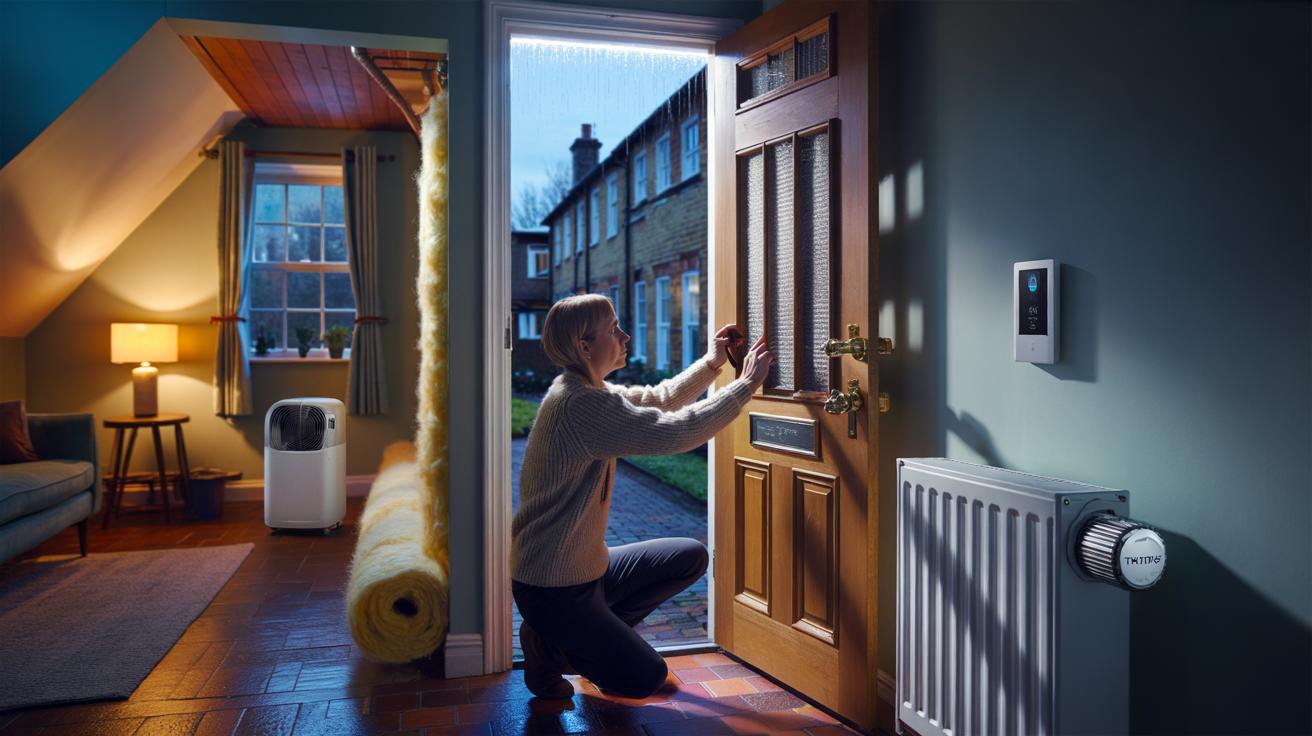
Heat lost is money lost. The fastest wins come from draught-proofing gaps around doors, letterboxes, loft hatches, and suspended floors. Use brush or rubber seals on external doors, fit a letterbox flap, and block redundant chimneys with a removable “balloon” (leave ventilation elsewhere to avoid damp). Floorboard gaps can be sealed with flexible fillers designed for movement. Check trickle vents still open and close; you want controlled airflow, not howling gusts. A simple incense stick reveals leaks: smoke wavers where cold air sneaks in. Every unwanted draught you seal cuts heat demand immediately.
Next, look up. Loft insulation should be at least 270 mm mineral wool across joists, with the hatch insulated and well sealed. If using the loft for storage, raise the deck on loft legs so insulation isn’t squashed. Cavity walls? If suitable and unfilled, ask a trusted installer about insulation; solid walls benefit from internal or external systems at refurbishment stage. Thermal-lined curtains and secondary glazing film are low-cost helpers for chilly windows. Don’t forget hot-water pipes in the loft—lag them to reduce losses and prevent freezing. Stop heat escaping and the whole home feels calmer, quieter, cheaper to run.
Under suspended timber floors, fit insulation between joists with a breathable membrane, and draught-proof skirting. Victorian homes often leak at the floors; small fixes here transform comfort. If your home is particularly breezy, a professional air-tightness test identifies big-ticket leaks—loft hatches, service penetrations, and recessed lights are frequent culprits. Combine sealing with adequate ventilation in wet rooms to avoid condensation. The goal is balance: tight where you don’t need air, purposeful where you do. It’s a simple equation—less uncontrolled air in, less heat out, and a gentler boiler workload on the coldest nights.
Tune Your Heating: Controls, Maintenance, and Smart Scheduling
Control beats brute force. Set your main thermostat to a steady 18–20°C and match it with TRVs on radiators to zone rooms. Don’t overheat spare rooms or hallways. A small set-back overnight—say 16–17°C—prevents deep chill without wasting energy. Smart thermostats with geofencing and occupancy sensing turn the heat down when the house empties, then pre-heat before you return. Weather-compensation controls (built into many modern boilers) lower flow temperature on milder days for comfort and efficiency. Reducing boiler flow temperature to around 55–60°C can improve condensing operation, especially with large radiators or well-insulated homes.
Maintenance matters. Bleed radiators, then balance the system so heat reaches the coldest rooms. Annual boiler servicing catches inefficiencies early; dirty filters and poorly set pressures waste fuel. If you’ve a hot-water cylinder, set the stat to around 60°C for safety and savings, and insulate the tank with a jacket if it’s unlagged. Fixing one sticky TRV or a misbehaving programmer can save more than you’d expect. Turning your thermostat down by just 1°C can cut heating energy by roughly 8–10% in many UK homes.
| Upgrade | Typical Cost | Indicative Annual Saving | Payback |
|---|---|---|---|
| Draught excluders & seals | £10–£50 | £20–£60 | <1 year–2 years |
| Loft insulation top-up | £300–£600 | £120–£250 | 2–4 years |
| TRVs (per radiator) | £30–£50 | £30–£70 (household) | 1–3 years |
| Smart thermostat | £150–£250 | £60–£100 | 2–4 years |
Numbers vary by property size and habits, but the pattern holds: controls pay back quickly. If your radiators feel cool at the bottom, consider a system flush or magnetic filter to improve circulation. For heat pumps, zoning and low, steady flow temperatures are essential; speak to an MCS installer about optimal settings. Whatever the system, aim for consistency. Spiky schedules force hard cycling; gentle, predictable heat is both comfortable and efficient. Smart, not scorching, wins every winter.
Protect Pipes and Prevent Damp
Frozen pipes are expensive, disruptive, and avoidable. Lag exposed pipework with closed-cell insulation, especially in lofts, garages, and external runs. Fit a jacket to cold-water tanks in loft spaces and protect outdoor taps with insulated covers. Know where your stopcock is and test it now, not during a leak. Use your boiler’s frost-protection mode if you’re away. In a cold snap, open kitchen cupboards overnight to let room heat reach vulnerable pipes along external walls. Prevention is cheaper than emergency call-outs at 2am.
Damp thrives in winter. The rule is simple: reduce moisture, remove it quickly, and maintain gentle warmth. Always run extractor fans during and after bathing or cooking; a 15–30 minute overrun clears lingering steam. Keep trickle vents open in occupied rooms. Dry clothes in well-ventilated areas or use a condensing dryer; if you must air-dry indoors, a dehumidifier is your friend. Aim for indoor relative humidity of 40–60%, checked with a cheap digital hygrometer. Condensation is a moisture problem first and a temperature problem second.
Outside, clear gutters and downpipes so winter rain flows away from walls. Check pointing and flashing for gaps that invite water ingress. Inside, cold corners behind furniture are classic mould spots—pull big items slightly off external walls to encourage airflow. If condensation persists, consider passive vents, a humidity-sensing fan upgrade, or professional advice on whole-house ventilation. Address the source before painting over stains. That keeps lungs—and plaster—happier all season.
Save Money With Smart Tariffs and UK Support Schemes
Winter-proofing isn’t only hardware. It’s paperwork and timing. If your home uses significant electricity—heat pumps, storage heaters, EV charging—explore time-of-use tariffs that reward shifting consumption to off-peak hours. Smart meters with in-home displays help you spot waste in real time. For gas users, efficiency still rules: steady schedules and tighter setpoints often beat short, intense bursts. Know your usage, then tune it. It’s dull. It works.
Check eligibility for UK support. The Great British Insulation Scheme and ECO4 can fund or subsidise insulation and heating upgrades for qualifying households. The Warm Home Discount offers a bill rebate for those eligible, while energy suppliers’ Priority Services Register provides extra help for vulnerable customers. Local authorities and housing associations run targeted schemes; ask, don’t assume. If you’re planning bigger works, a qualified retrofit assessor/coordinator can map a whole-house plan that avoids moisture pitfalls and locks in long-term savings.
Finally, read your EPC recommendations with a pinch of salt; they’re broad-brush. Prioritise measures that cut heat loss and improve control first. Then tackle fabric upgrades during renovations, when scaffolding or redecoration is already budgeted. Keep receipts and documentation—useful for future buyers and insurers. Winterising is a journey, not a single weekend job. But each step reduces bills and stress, and makes next winter easier than the last.
Winter doesn’t have to mean draughts, condensation, and eye-watering bills. Start where the heat leaks, sharpen your controls, protect plumbing, and make the most of UK schemes that lower the cost of doing it right. The result is tangible: warmer rooms, quieter systems, and steadier spending despite cold snaps. Small investments now can pay dividends all season. Which upgrades will you prioritise this month—and what’s the one change that would make your home feel noticeably warmer by next weekend?
Did you like it?4.7/5 (20)