In a nutshell
- 🧊🍋 The lemon ice cube method uses ice for safe abrasion and citric acid to disrupt biofilm and odours, delivering a 60-second clean with no scrubbing.
- ⏱️ How-to: run cold water, feed 6–10 lemon cubes for 30–45 seconds, then 4–6 plain cubes, and flush 15–20 seconds; optional coarse salt in cubes adds extra bite.
- ⚠️ Safety and limits: never reach into a running unit, avoid bleach and fibrous peels, and note this is maintenance—not a repair for jams or clogs.
- 🧽 Odour control: scrub the rubber splash guard if smells persist and check downstream plumbing; the method keeps a healthy system fresh between deep cleans.
- ♻️ Sustainability: repurpose leftover citrus, minimise water use, and use half water/half white vinegar cubes sparingly if limescale is an issue.
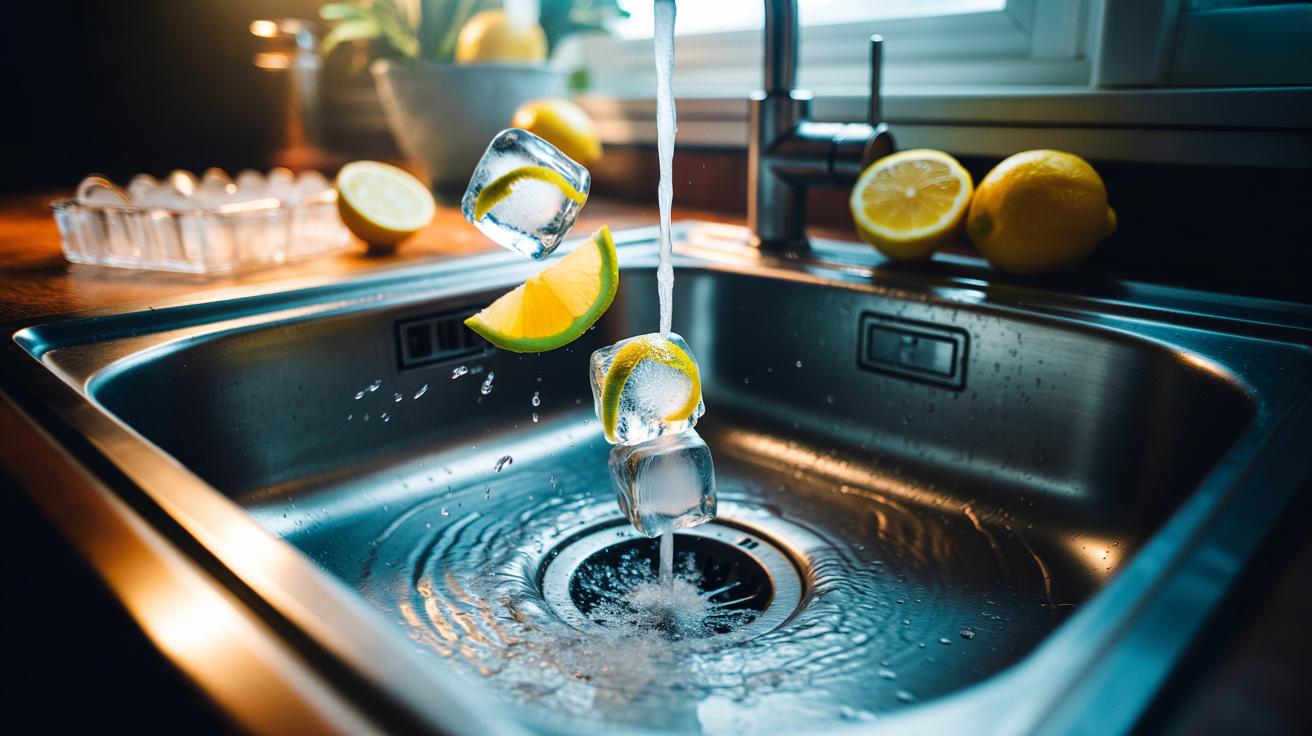
The simplest kitchen tricks are often the most satisfying. Case in point: the lemon ice cube method that scours a garbage disposal (or UK-style waste-disposal unit) in about a minute, no scrubbing required. It’s brisk, cheap, and oddly pleasing to hear in action. Ice provides the abrasion; lemon delivers the clean, bright scent and a bit of chemistry. Used correctly, it loosens greasy biofilm, freshens the grind chamber, and trims minor scale without harsh products. This is a quick refresh, not a miracle cure for a jam or a faulty motor. But for routine odours and gunk, it’s a tidy, 60-second reset.
Why Lemon Ice Cubes Work So Fast
Think of ice as a miniature scouring pad, multiplied. When those cubes rattle around the chamber, they strike the impellers and grind ring, knocking away soft buildup that makes a disposal smell tired. The process is mechanical, not magical. It’s the percussion of hard, melt-safe fragments. Meanwhile, cold water helps fats and oils re-solidify momentarily, so they can be fractured and carried away rather than smeared around. Ice delivers safe abrasion that metal tools or harsh granules can’t match inside a spinning unit.
Enter lemon. Its citric acid lightly chelates mineral deposits and helps disrupt odour-causing biofilm. The zest’s natural oils add a fresh, sharp fragrance that lingers much longer than a spray. There’s also a small surfactant-like effect from citrus compounds, which helps lift residue as the slurry washes through. Use real fruit if you can. Bottled juice works, but zest and pulp bring extra aromatic punch.
Finally, the combination matters. Ice handles the physical scrub; lemon addresses odours and that faint metallic tang. Some people add a pinch of coarse salt to cubes for extra bite. It’s effective, though optional. What matters is motion, cold, and acidity in concert. That synergy is why the method feels instant: a practical, three-pronged clean in roughly 60 seconds.
Step-By-Step: The 60-Second Method
Prep is easy. Fill an ice tray with water and tuck in thin wedges or ribbons of lemon zest. Freeze. For a stronger clean, add a few grains of coarse salt to each compartment. Skip heavy baking soda in the same cube; it neutralises the lemon’s acidity. Instead, if you like, run a separate teaspoon of bicarbonate down the sink the day before. For most homes, plain lemon-and-water cubes are more than enough.
When ready: run a steady stream of cold water. Drop 6–10 lemon ice cubes into the disposal. Switch it on and let the chamber roar for 30–45 seconds as the cubes fracture. Feed 4–6 plain ice cubes to finish the scouring, then let the water run another 15–20 seconds to flush the citrus slurry. You’ll hear the tone shift from grind to hum as the ice disappears. That’s your cue you’re done.
| Item | Quantity | Purpose | Time Guide |
|---|---|---|---|
| Lemon ice cubes | 6–10 cubes | Deodorise, light de-scale, fragrance | 30–45 sec |
| Plain ice cubes | 4–6 cubes | Scouring finish, tone shift check | 10–15 sec |
| Cold water | Thin stream | Carry debris, solidify fats | All along + 15–20 sec flush |
Tip for planners: make a tray of cubes from leftover wedges after drinks or Sunday roasts. They keep for weeks and turn a dull chore into a single, satisfying minute. If limes are what you have, use them. Orange works as well, though it’s less punchy. This routine is a maintenance clean—repeat weekly or after heavy, greasy cooking for best results.
Safety, Smells, and Sustainability
First, safety. Never place hands or utensils into a running or recently powered disposal. If you must retrieve a dropped object, switch off at the wall and unplug if possible. Avoid feeding fibrous peels in handfuls—stringy fibres can tangle and stall. Cold water is non-negotiable during the process; hot water softens fats, encouraging smear rather than removal. And skip bleach: it’s harsh, generates fumes in a confined space, and does nothing for abrasion.
On odours, the lemon ice routine tackles the usual suspects—grease films and protein residues. If smells persist, check the rubber splash guard (the black baffle). It often harbours grime; lift and scrub it separately with washing-up liquid and a dedicated brush. Consider the plumbing beyond the unit too: a slow trap or partial blockage can burp smells back. The method can’t mend a clog, but it can keep a healthy system sweet between deeper cleans.
It’s also a greener habit. You’re repurposing leftover citrus and avoiding solvent-heavy deodorisers. Water use is tiny: roughly a few litres for one minute of flow. If limescale is your nemesis, freeze a batch with half water, half white vinegar; use sparingly. Short contact is fine for most gaskets. Regular, gentle maintenance beats occasional, aggressive chemical blitzes—on your nose, the unit, and the planet.
In one clean minute, lemon ice cubes give your disposal a crisp reset: an abrasive sweep, a citrus polish, and a cool flush that leaves the sink brighter and the kitchen fresher. The method works because it respects the machine, using physics first and fragrance second. It’s inexpensive, repeatable, and oddly joyful to hear as the tone shifts from crunch to calm. Will you try a tray of citrus cubes this week—and if you do, will you add salt, go pure lemon, or invent your own signature freeze?
Did you like it?4.5/5 (26)