In a nutshell
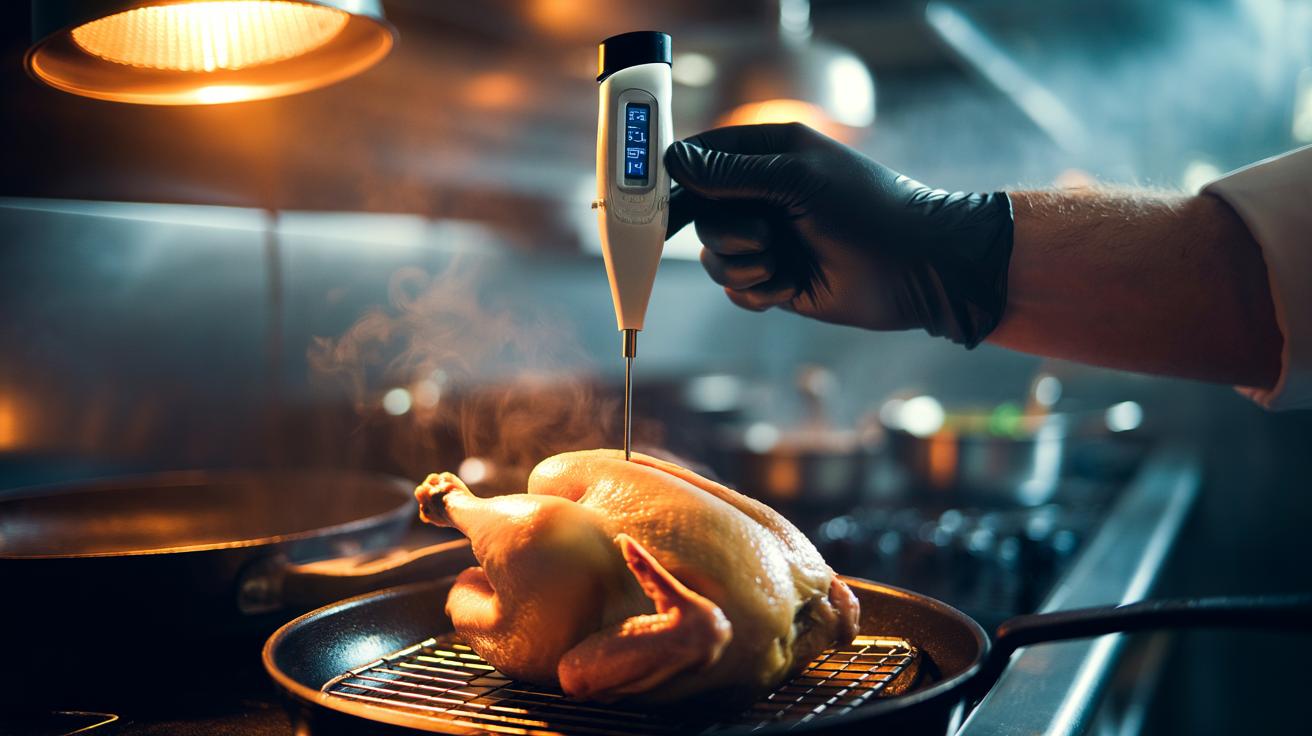
- 🔥 A digital probe thermometer replaces guesswork with precision and repeatability—pro chefs cook by temperature, not time, for reliable texture and doneness.
- 🛡️ Elevates food safety and quality: hit 74°C for chicken, manage cooling, and account for carryover cooking to keep meats juicy yet safe.
- 📊 Master target temperatures: steak 54–57°C (medium-rare), chicken 74°C, pork 63°C, frying oil 175–185°C, custard 78–82°C, soft-ball sugar 112–116°C.
- 🛒 Buy smart, care smarter: choose a fast, thin-tip thermocouple, consider dual probes and splash resistance; clean properly and perform regular calibration (ice bath/boil tests).
- 🍳 Apply pro techniques: pan-seared chicken pulled at 71–72°C and rested to 74–75°C, reverse sear steak to 54–55°C, hold oil at 180°C, poach eggs at 80–82°C, and control dough at 24–26°C.
Every home cook has a drawer full of gadgets, many rarely touched. Yet in professional kitchens across Britain, one unassuming tool earns a daily workout: the digital probe thermometer. It’s small. It’s inexpensive. It’s transformative. Temperature, not time, determines doneness; that’s the quiet mantra guiding chefs from breakfast service to late-night pastry. A thermometer removes guesswork, replacing it with precision you can taste: steaks with blush-pink centres, roast chicken that’s succulent yet safe, custards as silky as studio lights. It also unlocks confidence. When you know the number, you know what to do next. No peeking. No prodding. Just clear, repeatable results.
Why a Digital Probe Thermometer Changes Everything
Cooking is a chemical negotiation. Proteins set, sugars caramelise, fats melt, starches swell. Hit the right temperature and the reaction rewards you. Miss it and you’re chewing disappointment. A digital probe thermometer eliminates the vague cues—colour, time, aroma—that can mislead even experienced cooks under pressure. It turns a pan into a controlled experiment. That means fewer dry chops, fewer split sauces, and far less anxiety when guests are waiting. Chefs aren’t guessing; they’re measuring.
The gain is more than doneness. Thermometers manage food safety, keeping poultry out of the danger zone and leftovers cooled quickly. They also support consistency. Friday’s lamb tastes like Wednesday’s lamb because both crossed the same target, not because the clock said eight minutes. And there’s efficiency: by tracking carryover cooking, you pull a roast earlier, carve later, and serve right on schedule. Precision frees creativity; when outcomes are predictable, you can season bolder and plate smarter.
How Professionals Use Temperature to Nail Texture
Chefs treat temperature as a roadmap. Sear to build flavour, then finish gently; hold sauces just below a simmer so emulsion bonds don’t snap; proof dough at a steady warmth so yeast stays happy. The thermometer sits at the centre of each decision. It becomes the referee when instincts clash with reality—especially with thick cuts, sugar work, or deep frying, where surface cues are notoriously unreliable. Numbers cut through kitchen noise.
Here’s a quick guide used on British pass counters and at home stations alike:
| Task | Target Temperature | Chef’s Note |
|---|---|---|
| Roast chicken, safe doneness | 74°C at the thickest part | Rest to 76–77°C with carryover |
| Beef steak, medium-rare | 54–57°C | Pull 2–3°C early before resting |
| Pork loin, juicy | 63°C | Rest to 65–66°C; still pink, safe |
| Deep frying oil | 175–185°C | Stability prevents greasy results |
| Custard/Crème anglaise | 78–82°C | Stop before curdling; chill fast |
| Soft-ball sugar stage | 112–116°C | Fudge, marshmallow precision |
Notice the pattern: pull just shy, rest to perfection. Control the gradient, control the texture. That’s the secret behind restaurant consistency.
Buying and Caring for the Right Thermometer
Not all probes are equal. Look for a fast, thin-tip thermocouple or high-quality thermistor with a response time under three seconds. A backlit display, splash resistance, and a rotating head help when you’re peering into a roasting tin or a smoky pan. If you batch cook, consider a dual-probe model—one for ambient oven temperature, one for the meat’s core—paired with a loud alert. Speed saves moisture; lingering at the oven door leaks heat and dries dinner.
Care is simple but essential. Keep the probe clean with hot soapy water, avoiding the junction between tip and body. Store with the sheath on to protect the sensor. Calibrate monthly: in an ice bath (0°C) and at a rolling boil (near 100°C, adjusting for altitude). If readings drift, some models offer a calibration screw or digital offset; others need replacement. Avoid shoving a probe against bone or pan metal, which skews results. And don’t leave instant-read sticks inside the oven unless the manufacturer says so. Trustworthy numbers depend on trustworthy gear.
Smart Techniques You Can Try Tonight
Start with a simple win: pan-seared chicken breasts. Sear until golden, slide into a 180°C oven, and probe the thickest point. Pull at 71–72°C, rest five minutes, serve at a juicy 74–75°C. Next, master reverse searing a steak. Warm slowly to 48–50°C in a low oven, rest, then sear hard to finish at 54–55°C. Crust outside, blush inside, no stress. For pastry, heat crème anglaise gently, whisking off the heat when it hits 80°C—silk without lumps.
Frying? Hold oil at 180°C for chips that shatter and steam. If it dips to 165°C, wait; if it spikes to 190°C, cut the flame. Poaching eggs becomes repeatable at 80–82°C, whites set, yolks fluid. Bread bakers should check dough temperature after mixing—aim near 24–26°C for predictable fermentation. One probe, many victories. Keep a tiny notebook of targets and results; you’ll build your own reference library, the hallmark of a pro-minded home kitchen.
The humblest tool often hides the biggest upgrade. A digital probe thermometer turns recipes into repeatable systems, taming Sunday roasts, weeknight eggs, and showstopper desserts alike. It safeguards food safety, speeds service, and delivers textures that feel restaurant-level. Best of all, it teaches your senses what success looks and tastes like. After a month of measuring, you’ll guess better too. Once you cook by temperature, you won’t go back. Which dish in your repertoire would change most if you knew its perfect number—and when will you take that first reading?
Did you like it?4.6/5 (21)