In a nutshell
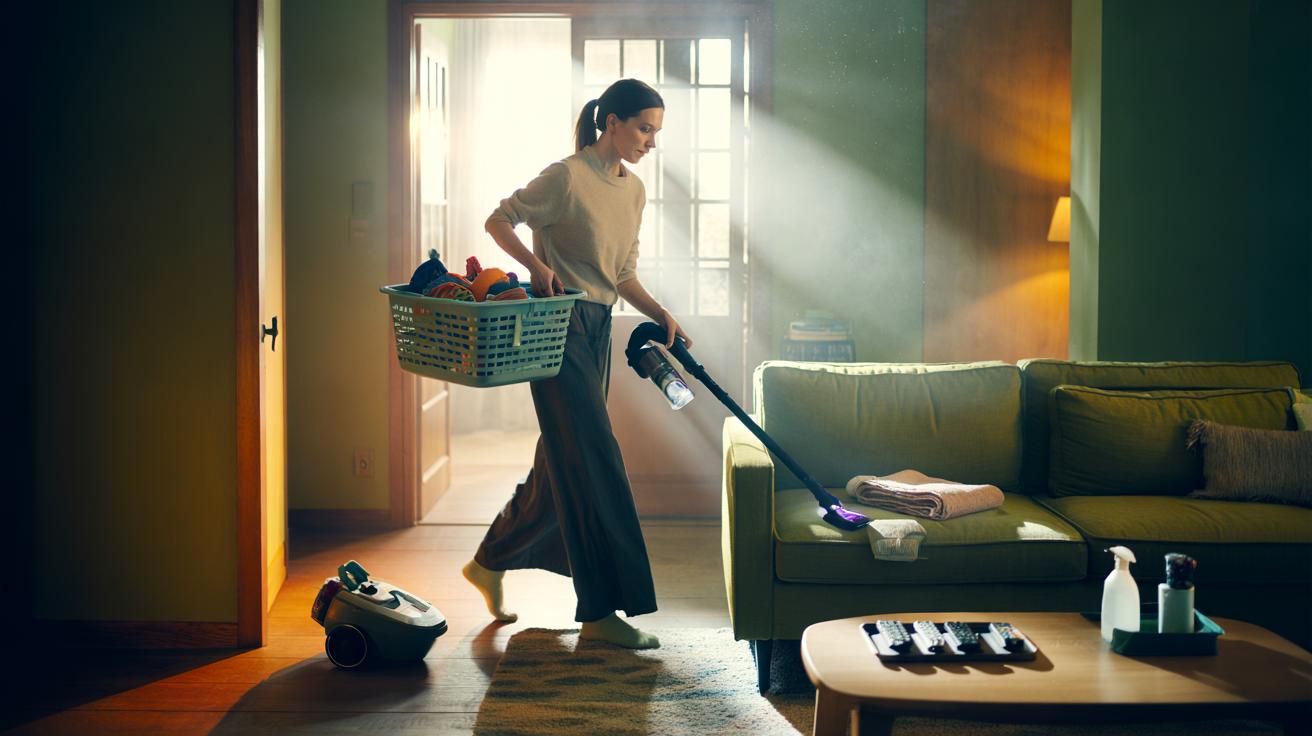
- ⏱️ A 10-minute reset delivers a rapid visual reboot: start at a fixed point, move clockwise, and touch items once—bin, basket, or back home.
- 🛋️ Focus on high-visibility zones—coffee table, sofa, media unit, and main floor path—to make the room look spotless fast.
- 🧺 Use smart tools that cut time: a caddy with cloth and spray, a collapsible laundry basket, an extendable duster, and a cordless vacuum kept within reach.
- 📋 Follow the minute-by-minute sprint: 0–2 clear rubbish, 2–5 basket blitz, 5–8 wipe and reset cushions, 8–10 quick vacuum and dust.
- 🧠 Leverage habit psychology and family buy-in: timer cues action, immediate results reward consistency, and simple roles turn kids into helpful teammates.
It sounds fanciful: a living room transformed from chaos to calm in less time than it takes to brew a pot of tea. Yet across the UK, busy mothers swear by a swift, repeatable system that tames toys, cushions, cables, and crumbs in a blink. The secret isn’t scrubbing harder. It’s choosing what matters to the eye and tackling it in a ruthless order. Ten minutes, a couple of simple tools, and a tiny burst of energy. That’s it. Focus on visibility, not perfection, and the room feels new again. Here’s how they do it, why it works, and the essentials that make the magic stick.
The 10-Minute Reset: A Mother-Tested Formula
The standout idea is the 10-minute reset. It’s less a clean than a visual reboot. Pick a start point you’ll always use—doorway or sofa arm—then move clockwise. No dithering. Touch items once: basket them, bin them, or put them home. Each action reduces mess and decision fatigue. When everything has a landing place, speed becomes inevitable. Mothers who run this routine nightly say it prevents those Sunday blitzes that steal half a day.
Crucially, you target high-visibility zones: coffee table, sofa surface and cushions, media unit, and floor path. Reset cushions. Fold throws. Clear mugs and plates. Straighten remotes. A quick vacuum strip down the middle does more for the eye than edging skirting boards. The trick? Sequence, not stamina. Put on a song you love, set a timer, and commit. The buzzer ends the session. Stopping on time keeps it sustainable, and tomorrow’s reset stays fast because today’s wasn’t endless.
Tools That Cut Time, Not Corners
Speed comes from kit that lives ready to go. Think a lightweight caddy with a microfibre cloth, a compact spray (water plus a drop of washing-up liquid does wonders), and a small stash of compostable liners for quick bin refreshes. A collapsible laundry basket handles rogue toys, blankets, and stray socks in one swoop. Add an extendable microfibre duster for skirting and lamp bases. A cordless vacuum or carpet sweeper finishes the floor in seconds. If the tools are within reach, the habit sticks.
Families report that labelled containers—“Toys Now”, “Goes Upstairs”, “Recycle”—make it easy for children to help, reducing your workload without nagging. Keep a narrow tray on the coffee table so remotes, chargers, and coasters have a visible “home.” Go scent-light; a fresh room shouldn’t be a chemical fog. One mother told me she stashes a spare cloth in the sofa table: spilt juice never waits, and neither should your response. Small prep, big payoff.
Step-by-Step: The Minute-by-Minute Sprint
Set a 10-minute timer. Work clockwise. Prioritise what the eye notices first. The flow below is the consensus sweet spot among mums who’ve trialled it in real life, after school runs and before bedtime stories.
| Minute | Action |
|---|---|
| 0–2 | Grab cups, plates, and rubbish into caddy; liner swap for bin. |
| 2–5 | Basket blitz: toys, books, chargers, laundry. One pass only. |
| 5–8 | Wipe coffee table, media unit, high-touch spots; reset cushions and throws. |
| 8–10 | Vacuum the main walkway and crumb zones; quick duster sweep. |
Two rules keep it sharp. No sorting mid-sprint: the basket parks out-of-place items for later. And stop at the timer. Done is better than immaculate. Night after night, that consistency compounds, trimming effort because clutter never blooms into crisis. If you’re training little helpers, give them one job each—cushions, basket run, or remote tray—so the rhythm remains fast and cheerful.
Why It Works: Psychology and Family Buy-In
The 10-minute reset piggybacks on basic psychology. Visible surfaces anchor our perception; clear them and the brain reads “clean” even if the skirting boards wait. Limited time reduces overthinking and perfectionism, which often slow parents to a crawl. The routine is also a clear cue–action–reward loop: timer on, clockwise sweep, calm room, exhale. Habits thrive when the win is immediate and obvious.
For family buy-in, make the task a game. Choose a favourite song. Race the chorus. Use the basket as a relay for kids. Keep rules simple: if it lives here, it stays; if not, it goes in the basket. Celebrate the finish, not the flaws. Over a week, you’ll notice far fewer “Where’s my…” moments, because a predictable home is easier to navigate. It’s not about standards slipping. It’s about targeting what matters most in a busy British home.
In the end, a spotless-looking living room isn’t sorcery. It’s a tight plan, a tiny clock, and tools that don’t slow you down. The method respects real life—spills, homework, telly nights—and still restores order fast. Try it tonight. Set the timer, start at the doorway, sweep once, stop at ten. Your future self will thank you. What tweak would make this 10-minute reset fit your own household—different music, a second basket, or a new route around the room?
Did you like it?4.5/5 (29)