In a nutshell
- 🧪 Vinegar’s acetic acid (≈5%) dissolves alkaline films and grease, lowers surface tension, and leaves a residue-free, streak-free shine with noticeably improved light transmission.
- 📰 Newspaper fibres provide gentle micro-abrasion and high absorbency, lifting and locking grime without scratching; modern soy/water-based inks are set, so they won’t smear.
- 🧼 Method: mix 1:1 vinegar:water (2:1 for heavy film), optional one drop soap; mist, wait 20–30 seconds, then polish in overlapping S-strokes and finish with a dry buff for crystal clarity.
- ⚠️ Safety & sustainability: avoid drips on stone sills, spot-test coated/tinted glass, don’t flood mirror edges; repurpose newspaper, reduce plastic cleaners and laundry, and use biodegradable vinegar.
- 📊 Value vs alternatives: newspaper + vinegar offers very low streak risk, minimal lint, and negligible cost compared to microfibre sprays or paper towels, yet delivers pro-level results.
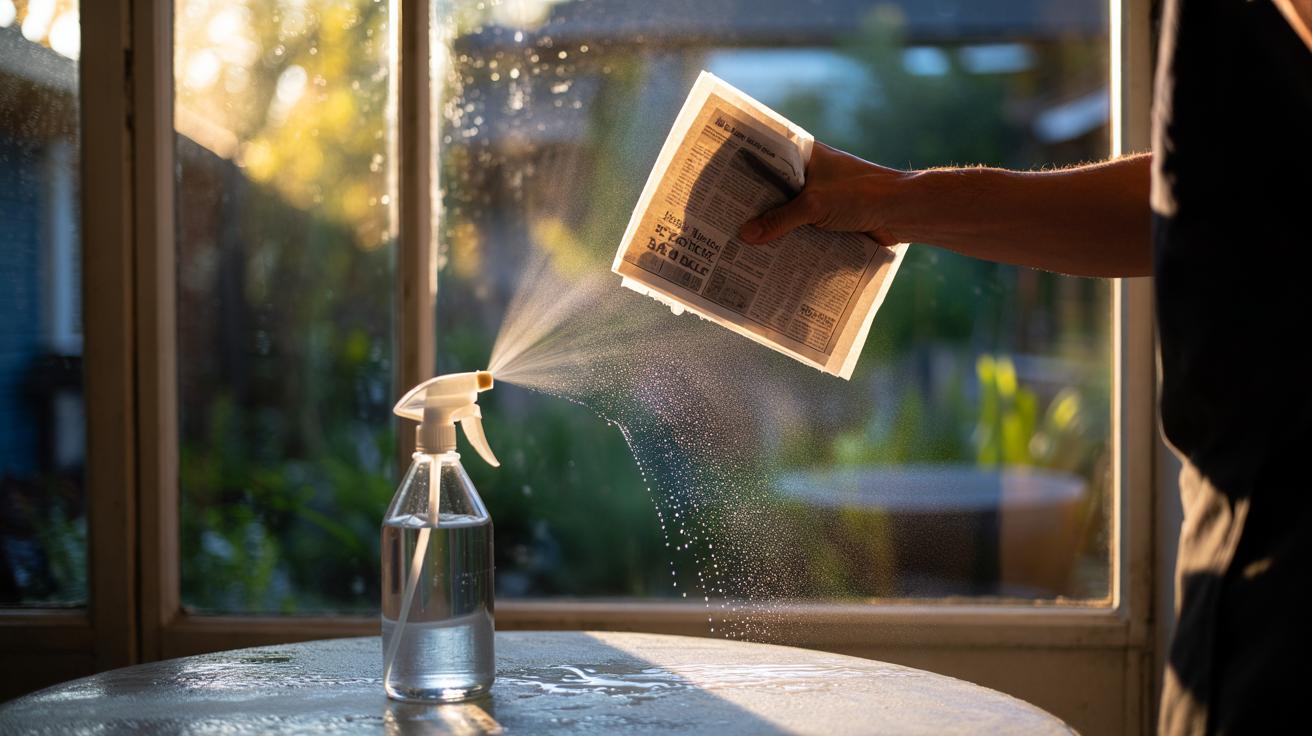
There’s an old-fashioned window-cleaning trick that refuses to die because it works: white vinegar on a sheet of newspaper. It sounds quaint, even messy. Yet the results are startlingly modern—gleaming panes, no haze, no lint. The secret lies in chemistry and texture. Vinegar’s mild acidity breaks down mineral films, soap scum and greasy handprints. Newspaper fibres add the right friction to lift grime without scratching. Inks today are typically soy-based and set, so they won’t smear. Used together, acid and paper create a rapid, streak-free polish that rivals premium sprays. If you want windows clear enough to vanquish low winter sun or summer smears, this thrifty pairing is a quiet marvel.
Why Vinegar Works: Acid, Solvents, and Surface Tension
The power of vinegar is simple: acetic acid. At around 5%, it’s strong enough to dissolve alkaline residues (think limescale haze or builder’s dust) yet gentle on glass and most seals. It cuts through the thin film left by detergents and hard water. That’s why a vinegar solution often outperforms perfumed sprays. Acid neutralises the very molecules that cause streaks. When those residues disappear, the shine returns, and light transmission improves noticeably.
There’s also the matter of surface tension. Water beads, then drags, leaving tidal marks. Add vinegar and the droplet’s tension drops, so fluid sheets off evenly, making wipe-downs cleaner and faster. No ghosting, no scalloped swirls. It’s a subtle shift in physics that delivers a visible payoff. Grease? Vinegar softens it, suspending particles so they can be wiped away in one confident pass.
Scent matters too. Vinegar’s odour is sharp, but it dissipates quickly, and it doesn’t mask smells with heavy perfumes. You get a neutral finish. It’s that residue-free result that prevents fresh dust from adhering as quickly. Clean today, and tomorrow still looks crisp.
What Newspaper Fibres Do That Cloth Doesn’t
Microfibre is excellent, but newspaper has a distinct advantage: stiff, short fibres that create micro-abrasion without scratching. Those fibres “chase” grime to the edge of your swipe rather than re-depositing it. This is why a newspaper polish often looks clearer, especially in slanting sunlight. The texture encourages a squeak-clean finish, tighter than many paper towels, which can leave lint or soften too quickly when wet.
Inks used by modern newspapers are typically soy- or water-based, cured into the paper. They don’t bleed with a light misting of vinegar solution. The light friction from the print face even helps buff microfilms. And because newsprint is relatively absorbent, it captures dissolved grime rather than smearing it around. That “lift and lock” action keeps streaks at bay.
There’s also the cost and footprint. Old papers become a cleaning tool, not waste. One sheet can polish multiple panes. Less laundering, fewer disposable towels. It’s low-tech but efficient. For many households, it’s a reliable, repeatable method that makes expensive glass sprays feel redundant. When the goal is clarity, the humble newspaper earns its keep.
| Material | Streak Risk | Lint | Environmental Impact | Typical Cost |
|---|---|---|---|---|
| Newspaper + Vinegar | Very low | Minimal | Repurposed, no washing | Negligible |
| Microfibre + Spray | Low–medium (residue risk) | Low | Wash cycles required | Moderate |
| Paper Towels + Cleaner | Medium | Medium–high | Disposable waste | Ongoing |
Step-By-Step Cleaning Method and Pro Tips
Start with the mix. In a trigger bottle, combine 1 part white vinegar with 1 part warm water. For heavy deposits, use a 2:1 ratio. Optional: a single drop of clear washing-up liquid if dealing with greasy kitchen film. More soap won’t help; it invites streaks. Shake gently.
Preparation saves time. Brush away cobwebs and dust the sill. If glass is gritty, give it a quick rinse. Spray a fine mist across the pane, not a drench. Let it sit for 20–30 seconds. This dwell time loosens mineral films. Now polish with a folded sheet of newspaper, working in overlapping S-shapes from top to bottom. Don’t scrub in circles; you’ll chase marks.
Flip to a dry quadrant as the paper dampens. Finish with a fresh piece for edges and corners. Sunny day? Work in the shade or at cooler hours. Heat speeds evaporation and causes flash streaks. For tall panes, a rubber blade squeegee after spraying, then a newspaper buff, gives showroom clarity. The final dry buff is the difference between clean and crystal.
Safety, Sustainability, and When Not to Use It
Vinegar is safe for most glass, but it’s still an acid. Avoid prolonged contact with stone sills like marble or limestone; drips can etch. Wipe frames if they’re aluminium or lacquered wood to prevent spotting. On tinted automotive glass with aftermarket films, check manufacturer guidance. Some coatings prefer neutral cleaners. When in doubt, spot-test a corner and wait.
Sustainability is the quiet win. You’re repurposing newspaper, skipping plastic-heavy sprays, and reducing microfibre wash cycles that can shed synthetics. Vinegar is cheap, biodegradable, and widely available. The routine is almost zero-waste. If you compost, the used paper—once dry—can often be binned or composted according to local rules.
There are edge cases. Leaded glass with antique cames may need gentler care. Mirrors can benefit, but don’t flood the edges; moisture can creep behind the silvering. For stubborn construction residue (paint flecks, silicone smears), use a dedicated scraper and solvent, then return to vinegar and paper for the polish. Use the right tool for the mess, then finish with the old-school shine.
Vinegar and newspaper prove that simple tools, guided by sound chemistry, can outshine pricey alternatives. The acid dissolves the film; the fibres lift and buff; your windows look like they’ve had a professional once-over. It’s quick, cheap, surprisingly satisfying. Try a single window and compare it under low-angle light. You’ll see it instantly. And you may never go back to blue sprays again. Sometimes the best solutions are hiding in the recycling pile. Will you test this pair on your toughest pane, or adapt the method to mirrors, shower screens, and car glass for a full home trial?
Did you like it?4.5/5 (24)