In a nutshell
- 🔆 Layered, warm lighting at human scale replaces harsh overheads; use 2700K–2200K bulbs, multiple small fixtures, and glare control so light meets faces, surfaces, and tasks—not eyes.
- 🧶 Cozy comes from natural materials and tonal layering: soaped oak, wool, linen, terracotta, matte finishes, and soft curves that calm acoustics, add patina, and invite touch.
- 🛋️ Social seating creates conversation islands with movable chairs, aligned arm heights, layered rugs, and low, dimmable pendants that keep voices close and gatherings effortless.
- 💡 High-impact, low-cost upgrades: swap to 2700K LEDs, add two table lamps before another overhead, choose paper/linen shades, group unscented candles, fit dimmers, and edit clutter.
- 🎯 The Danish “secret” is the orchestration of light, texture, and human scale, producing a cozy atmosphere that feels relaxed, sustainable, and adaptable to any home.
Walk into a Danish home and the first thing you notice isn’t a piece of furniture. It’s the feeling. Airy yet snug, clean yet characterful, these spaces have mastered the art of welcome without shouting. While the world tosses around the word hygge, Denmark’s cozy interiors are riding a global wave for a more practical reason: they’re designed for everyday warmth. The secret isn’t a single chair or candle; it’s a quiet orchestration of light, texture, and human scale that turns rooms into retreats. As energy costs rise and lives get busier, this approach speaks to both comfort and sense—calm rooms that work hard, look effortless, and invite you to stay.
The Danish Light: Layering Warm Glow at Human Scale
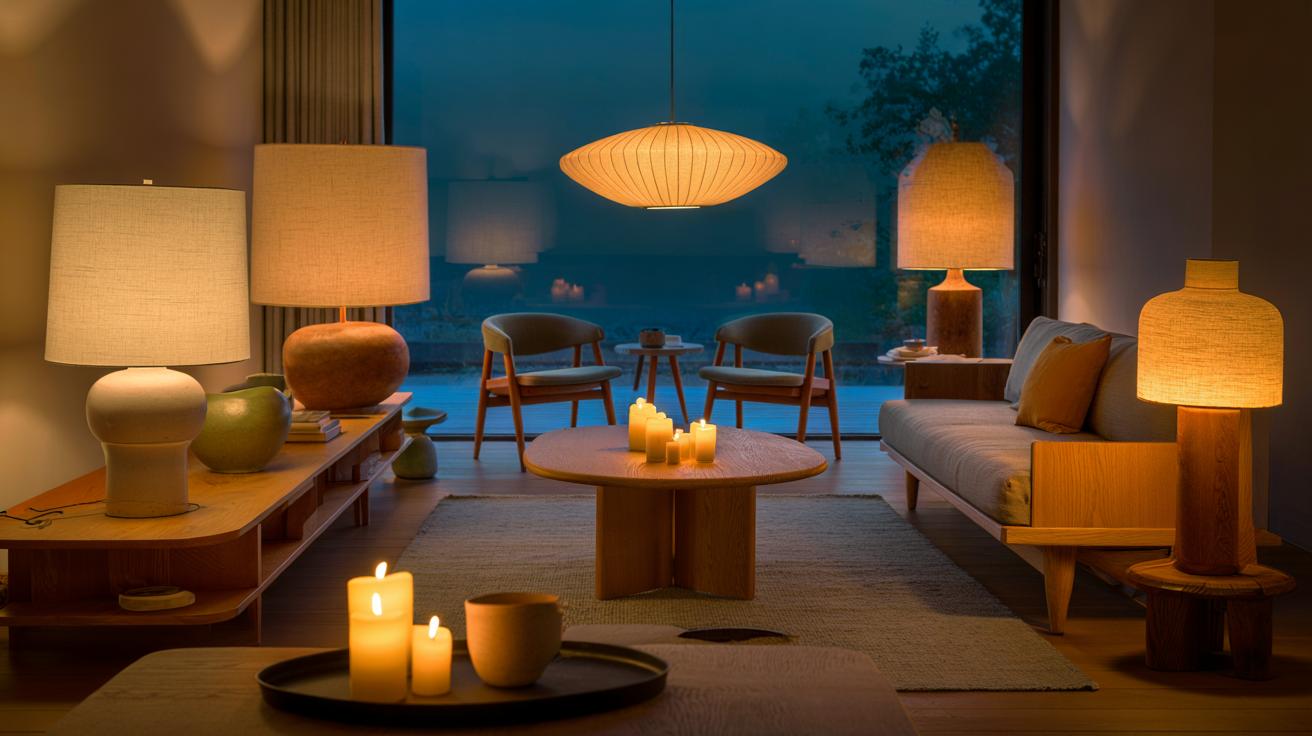
Danish interiors are trending because they choreograph layered, low-level lighting like a soundtrack. Instead of one blazing pendant, the room is mapped with small pools of warmth: a lamp by the sofa, a paper shade near the reading chair, candles on a shelf. Skip ceiling glare; put light where people are. The palette is warm—bulbs around 2700K, sometimes 2200K in the evening—to flatter skin and soften edges. Architectural shadows are welcomed, not blasted away, because contrast creates depth and the cozy “cave” feeling that screens and strip-lights erase.
This approach isn’t fussy; it’s systematic. Every task gets a friendlier light source: a swivelling sconce for craft, a dimmable table lamp for conversation, a discreet downlight for the kitchen counter. Multiple small fixtures let you tune mood across seasons, which matters in Nordic latitudes with long nights. Even famous Danish lamps—from spun-metal classics to rice-paper orbs—prioritise glare control, diffusing light sideways or downward, never straight into eyes. The effect is intimate, flattering, restful. Your posture changes. Voices lower. Time slows.
| Light Type | Purpose | Typical Placement |
|---|---|---|
| Table lamp (2700K) | Ambient glow | Side tables, consoles, bedside |
| Wall sconce | Task or accent | Above sofa arms, reading corners |
| Paper/linen shade | Diffuse, soft spread | Over dining, low in corners |
| Candles | Atmosphere and ritual | Window sills, trays, tables |
One rule binds it all: light faces, surfaces, and tasks—never eyes. Once you experience the hush that follows, it’s hard to go back to the big bright overhead.
Tactile Calm: Materials, Color, and the Soft Geometry of Comfort
Lighting may be the secret engine, but touch is the soul. Danish rooms lean on natural materials—soaped oak, wool, linen, terracotta, paper. These surfaces don’t shout; they soften acoustics, warm temperatures, and develop patina. When finishes invite your hand, the room invites your presence. Colour is restrained but never sterile: mushroom, clay, oat, ink, a chalky green. The trick is tonal layering over contrast—several shades of similar hues, matte over gloss, rounded profile over hard edge—so the eye rests instead of ricocheting.
Furniture speaks softly too. Curved arms, chamfered edges, and low-sheen oils pull light into a gentle gradient. Textural rhythm matters: chunky knit next to smooth linen; wool rug over oiled boards; handmade ceramics against limewash. This cadence builds comfort as reliably as a lullaby. Even technology is tamed—cords hidden, speakers integrated, screens framed by textile or timber to mute the black rectangle effect.
The sustainability undertone is practical, not preachy. Durable woods, repairable upholstery, refill candles, and small-scale craft reduce churn. Less replacement, more attachment. Calm isn’t a colour; it’s the sum of choices that age well. In a world of fast everything, the Danish interior feels like the long exhale.
Social Nests: Seating Plans That Invite Togetherness
Cozy is social. Danish layouts prioritise proximity, eye contact, and ease. Sofas don’t float like monoliths; they anchor conversation islands, paired with low tables and light, moveable chairs. Angles close the circle, killing the awkward shout across a room. Design for voices, not showrooms. Place the warmest light where faces gather. Add a throw on every seat and a small surface within reach for tea, a book, or a bowl of olives. Hospitality becomes habit when a space is arranged to welcome.
Scale is considered. Arm heights align so elbows rest naturally, making long talks effortless. Nesting stools double as footrests, perching spots, or plant stands. Two rugs—one large, one layered—define a zone without walls, while curtains, even sheer ones, soften echoes. A bench under a window turns dead space into the most contested seat. Zones are gentle, not rigid, and they flex for board games, reading, or work-from-home stints.
The dining table follows suit: round or soft-rectangular edges keep conversation circulating, with dimmable pendant light falling in a warm cone. Never blinding, always inviting. If the plan helps people settle quickly, the mood turns cozy before the candles are even lit.
How to Bring the Look Home on a Budget
You don’t need Danish design icons to get the Danish feeling. Start with light. Swap cold bulbs for 2700K (or 2200K) LEDs, then add two table lamps before you buy another overhead. Three small lights beat one big one. Hunt for paper shades, linen diffusers, and second-hand ceramics that glow when lit. Candles? Unscented, beeswax or soy, grouped on a tray. A dimmer is the best value upgrade you can make.
Next, edit materials. Choose one wood tone and repeat it. Layer textiles—wool throw, linen cushion, cotton slipcover. Keep patterns quiet and textures bold. A limewash-effect paint or matte emulsion will calm reflections for pennies. Round a corner with a curved side table or a soft-edge mirror; the eye relaxes instantly.
Finally, tune the plan. Pull furniture closer. Add a reading corner with a chair, lamp, and small table. Hide wires, corral remotes, and leave empty space where the mind can rest. Plants soften edges and clean the air. A £20 paper pendant over the dining table, hung low, can feel bespoke when the rest of the room whispers in harmony.
At heart, the Danish interior is a choreography of light, touch, and togetherness that respects how evenings actually unfold. Warm pools of light replace glare, textures carry the comfort, and human-scale layouts make conversation effortless. The result is atmosphere you can feel, not just style you can see. As homes everywhere chase serenity with less, this quietly radical approach keeps winning rooms and hearts. Which element would you try first—layered lighting, tactile materials, or a social seating plan—and how would you adapt it to your own space?
Did you like it?4.5/5 (23)