In a nutshell
- 🔥 “No electricity” heating relies on gravity-fed stoves, thermosyphon radiator loops, and thermal mass to deliver steady warmth without plugs—quiet, resilient, and outage-proof.
- ⚙️ The science: hot water rises and cool water falls in a thermosyphon circuit; masonry heaters and phase change materials store a short, clean burn and release heat for hours with minimal spikes.
- 🧱 UK options now: non-electric pellet stoves, Ecodesign wood stoves with back boilers, certified masonry heaters, and passive solar air heaters; heat-powered stove fans help even room temperatures.
- 💷 Costs and savings: pellets/logs often beat electricity per kWh; smart sizing plus insulation trims bills; typical payback for simple setups runs ~2–7 winters, faster if offsetting peak-rate power.
- 🛡️ Safety and compliance: follow Building Regulations Part J, use a HETAS installer, fit a carbon monoxide alarm, burn seasoned fuel, sweep chimneys, and design gravity circuits with correct gradients and pipe sizing.
The phrase everyone is whispering about at the school gates and shouting about on forums? The new “no electricity” way to heat your home. On the face of it, it sounds like a gimmick. It isn’t. At a time of bill anxiety and grid wobble, a system that runs without a plug feels liberating, even a little radical. Think elegantly simple physics, not gadgets: heat stored in mass, hot water moving by itself, fuels that feed by gravity. What’s genuinely new is how old ideas have been refined into cleaner, safer, high-efficiency packages that meet modern UK rules. Quiet, resilient, and surprisingly frugal, these approaches are reshaping how we think about winter warmth.
What Does “No Electricity” Heating Actually Mean?
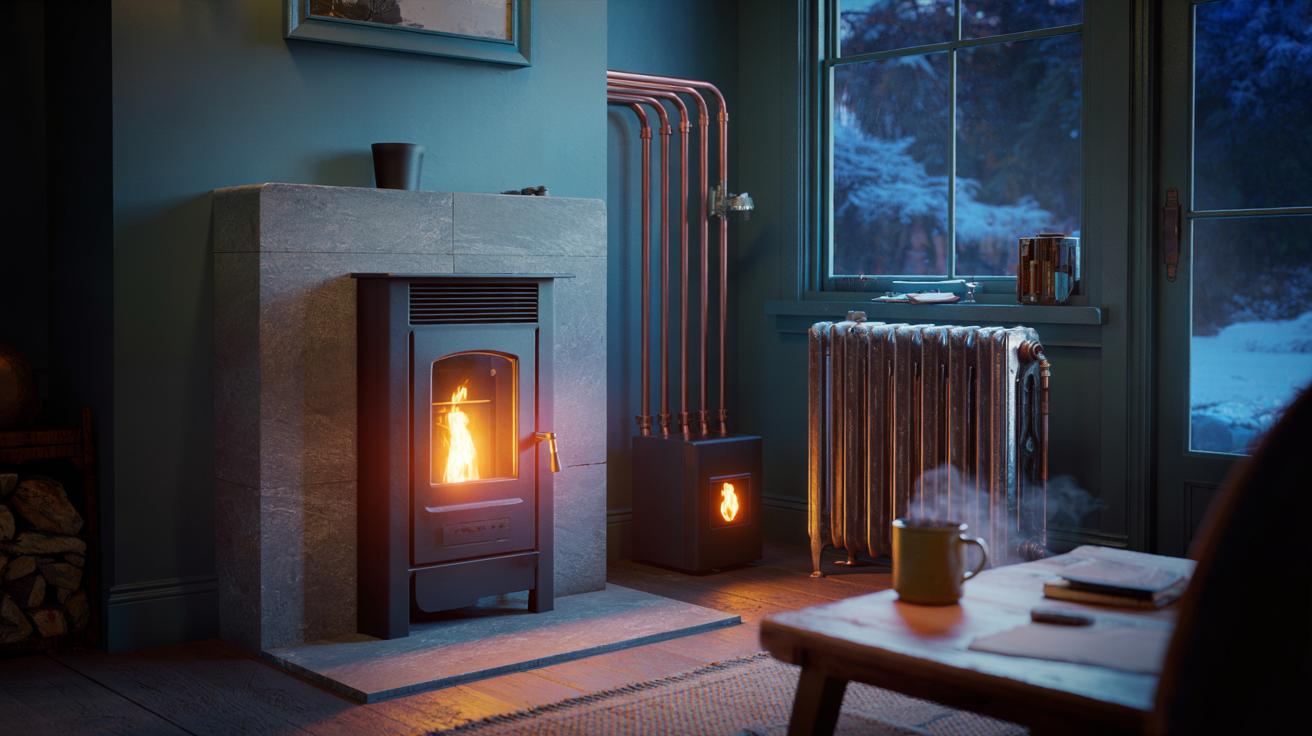
Strip away the hype and “no electricity” heating means harnessing passive forces—convection, gravity, and thermal storage—to produce and distribute heat. A gravity-fed pellet appliance meters fuel without motors. A thermosyphon circuit pushes hot water round a radiator loop purely by density differences. A masonry heater or thick stove surround acts as thermal mass, soaking up intense heat quickly, then releasing it slowly for hours. None of this requires mains power to run day to day.
It’s not magic, and it’s not necessarily primitive. The difference in 2025 is engineering polish. Clean-burn fireboxes hit Ecodesign standards. Sealed flues improve draw. Airtight homes pair these systems with controlled ventilation. The result is efficient, steady heat with minimal moving parts—and crucially, minimal bills when the lights go out. Even simple solar air heaters—dark, glazed wall panels that warm incoming air—sip winter sun and blow nothing; they rely on buoyancy to move warmed air. These systems won’t suit every home, but they broaden the menu beyond sockets and switches.
The Science Behind Thermosyphon and Thermal Mass
Thermosyphon is basic physics doing useful work. Heat water and it expands, becoming less dense. In a gravity circuit, hot water from a stove back boiler rises up a flow pipe into a heat emitter; cooler, denser water returns via the fall. No pump, no electrics, just a correctly sized loop, generous pipe diameters, and careful routing that respects the rise-and-fall gradient. Get the geometry right and circulation is calm, continuous, and quietly reliable.
Thermal mass is similar commonsense writ large. A masonry heater, tiled stove, or heavy firebrick chamber stores a short burn’s energy in stone. Hours later, that mass radiates gentle, even warmth at skin-comfort wavelengths. Add phase change materials—salts or waxes that melt at roomlike temperatures—and you boost storage per kilogram, flattening peaks and troughs. The clever bit is control: modern designs meter air precisely to cut particulates while capturing more heat in the mass. That’s why today’s units can meet UK emissions limits yet feel timeless. High mass equals low spike, fewer reloads, and a living room that stays warm long after the flames fade.
Options Available in the UK Market Right Now
First, the headline act: non-electric pellet stoves. A gravity hopper feeds pellets to the burn pot; the chimney’s natural draft supplies air. With no auger or fan, they’re whisper-quiet and keep running during outages. Look for units with clear documentation for UK installation and verified emissions. Second, an Ecodesign wood stove with a back boiler can connect to a radiator or cylinder on a gravity-only loop—simple, robust, and excellent for open-plan spaces that benefit from both radiant and hydronic heat.
For slow-and-steady warmth, consider a certified masonry heater (to EN standards) or modular equivalents that assemble on site. They burn hot, clean fires and exhale warmth all day. Meanwhile, solar air heaters mounted on a south-facing wall can pre-warm incoming air on bright winter days, trimming boiler run-time without a single watt. Accessories matter too: a heat-powered stove fan won’t heat the house, but it evens out room temperatures using the fire’s own heat to spin. Always confirm local approvals, flue sizing, and clearances before committing—compatibility beats novelty every time.
Costs, Savings, and Payback Compared
Upfront cost varies widely by system and home. Running costs hinge on fuel markets, but the pattern is consistent: logs and pellets typically undercut electricity on a per-kWh basis, while good design slashes wasted heat. The table below gives broad, UK-focused ranges to help you benchmark options.
| System | Typical Install Cost | Heat Output | Running Cost (p/kWh) | Needs Electricity? |
|---|---|---|---|---|
| Non-Electric Pellet Stove | £2,000–£4,000 | 5–9 kW | 9–13 | No |
| Ecodesign Wood Stove + Gravity Circuit | £2,500–£5,500 | 4–12 kW (space + water) | 8–12 (logs) | No |
| Masonry Heater | £6,000–£12,000 | 2–5 kW (steady) | 8–12 (logs) | No |
| Solar Air Heater Panel | £400–£1,200 | 0.3–1.5 kW (sunny) | 0 (sun) | No |
Indicative figures only; outputs depend on model, home insulation, and flue; running costs reflect typical UK retail prices and vary by region and season. For many households, the sweet spot is a modest Ecodesign stove with thoughtful zoning and draught-proofing. Insulation remains the cheapest heat you’ll never buy again—invest there first to shrink the system and speed payback. Expect two to seven winters for simple setups to “wash their face,” faster if you’re offsetting peak-rate electricity.
Safety, Regulations, and Installation Tips
In the UK, solid-fuel and biomass installs must meet Building Regulations Part J and manufacturer specs. Use a HETAS-registered installer for solid fuel, or notify Building Control if you’re competent and self-installing. You’ll need the right flue height, an appropriate liner, hearth clearances, and permanent ventilation where required. A carbon monoxide alarm is non-negotiable—fit one, test it, and replace on schedule.
For gravity systems, keep runs as short and as vertical as possible, with larger-bore piping and an open-vented safety arrangement unless a certified design allows otherwise. Choose Ecodesign Ready appliances to cut smoke and particulates, burn seasoned wood under 20% moisture, and book regular chimney sweeps. If considering a masonry heater, insist on models certified to relevant EN standards or a designer who can evidence compliance. Lastly, plan fuel logistics: dry storage, bag handling for pellets, and ash disposal. Good fuel plus good installation equals good air—indoors and out.
There’s a reason this story is everywhere: powerless heat feels empowering. It’s quiet, tactile, and—done right—exceptionally efficient. For some, it’s a backup when storms roll in; for others, it becomes the primary heat source that anchors a more resilient home. The modern twist is not romance around a hearth, but precision engineering that tames it. If you could cut your bills, keep the radiators warm during an outage, and improve air quality in one move, wouldn’t you at least explore it? Which “no electricity” option fits your home, your habits, and the winter you want to live through?
Did you like it?4.5/5 (26)