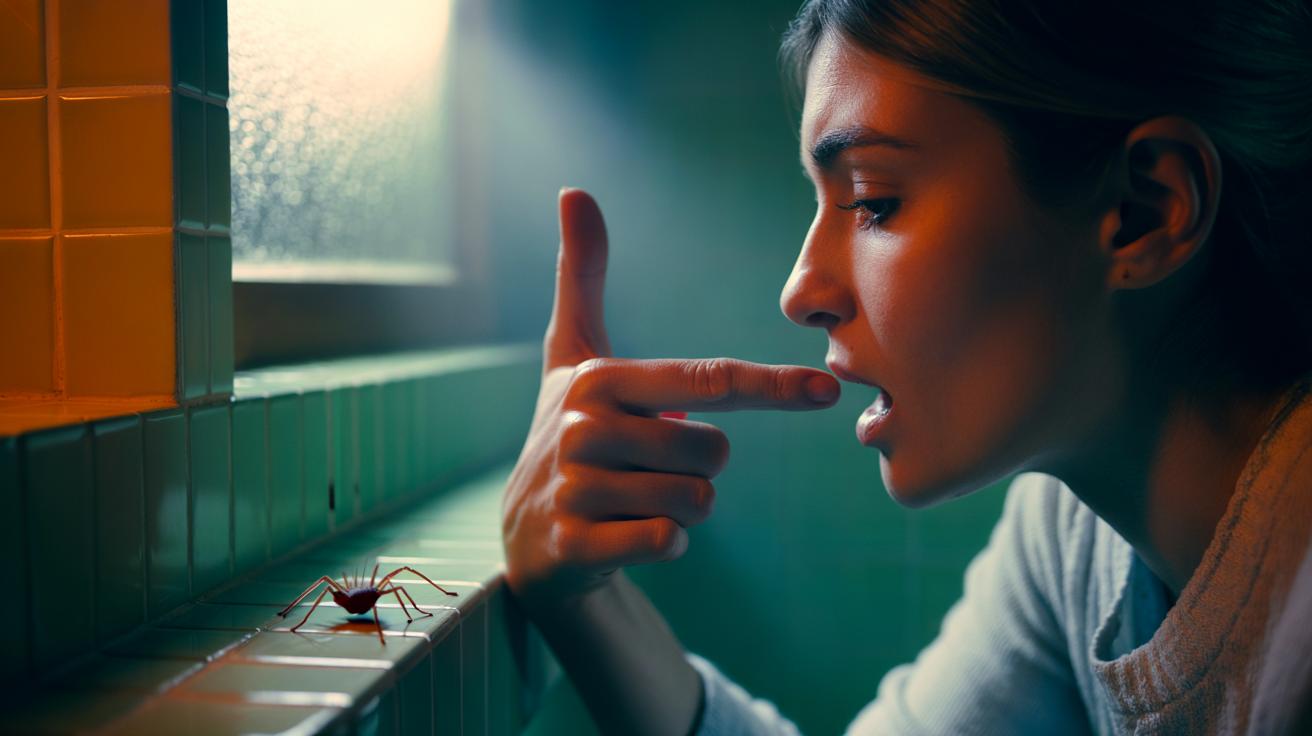
In a nutshell
- 🧠 Memory anchoring links a simple cue (touch, word, breath) to a calm state, exploiting state-dependent memory and reconsolidation to shift spider-triggered fear fast.
- 🪜 A clear method: install the anchor with vivid calm memories, test it with mild imagery, then expand via graded exposure; short, frequent reps build reliable control.
- 📊 Results target physiology—heart rate, breath, muscle tone—so spikes shrink and recovery speeds up; a quick table of steps clarifies install, test, expand, and reinforce.
- 🏙️ Case study: a London client used a sea-swim anchor to approach a house spider calmly, proving portability and precision; end sessions on a win to consolidate learning.
- 🔎 Evidence and limits: aligns with NICE-backed exposure principles; not a cure-all, but a powerful adjunct to CBT, especially when practiced across contexts and refreshed regularly.
Spiders move fast. Hearts race faster. For millions in the UK, arachnophobia is not a quirky dislike but a daily negotiation with panic—behind the sofa, in lofts, even scrolling past photos online. Yet there’s a strikingly simple tool that can change those reflexes in days rather than years: memory anchoring. It borrows from neuroscience and practical coaching to recode how the body reacts when the eight-legged trigger appears. Not magic, not woo. A structured way to redirect fear pathways through learned associations, deliberately rehearsed. Think seatbelt for the nervous system. A small cue. A big shift. And, as many discover, a path from avoidance to manageable curiosity.
The Psychology Behind Memory Anchoring
At its core, memory anchoring links a chosen cue—like a knuckle press, a word, or a breath—to a preloaded state of calm. The mechanism draws on classical conditioning, state-dependent memory, and the science of reconsolidation, where reactivated memories become momentarily malleable. Bring fear to mind, insert safety, and the nervous system updates the file. Yes, it can be that practical. The key is timing: pair a strong calm state with a precise, repeatable trigger, then test under mild stress to ensure transfer. Done right, the body learns new shorthand: “Spider equals exhale, not alarm.”
Neuroscientists describe this as rewriting prediction errors: if the brain expects danger but repeatedly encounters safety, it reduces the threat tag. In therapy, that’s why graded exposure works. Anchoring is its compact cousin, giving you a portable stabiliser while you face small challenges. Anchors are not a cure-all; they’re a rapid-access switch that helps you stay in the room long enough to relearn safety. That distinction matters. Because keeping your feet planted—literally—lets new evidence overwrite old fear loops.
What shifts fast is not personality but physiology: heart rate, muscle tone, breath patterns. With practice the cue compresses the time it takes to return to baseline. Shorter spikes. Quicker recoveries. Confidence grows from there.
Step-By-Step: Building a Calm Anchor for Spider Encounters
First, choose your cue. Something discreet and repeatable: two-finger squeeze, a specific word under your breath, or a paced 4-6 exhale. Now evoke a vivid calm memory—a beach dusk, the quiet carriage at sunrise, the moment after good news. Flood it with detail: temperature, scent, what you see. At the peak of that feeling, press or say the cue for 5–8 seconds. Release. Break state by counting backwards. Repeat three to five times. You’re installing the link. Next, lightly imagine a spider from a distance. Trigger the cue. Notice the bodily shift—however small. Repeat, gradually increasing realism only while remaining steady.
Blend in micro-exposures at home: a photo, a video, a jar with a harmless house spider across the room. Keep sessions short. End each on strength, not strain. Never force a surge; you’re training precision, not endurance. If the anchor fades, rebuild it with richer positive material, then return to gentle challenges. Many pair anchoring with graded exposure or brief CBT strategies like cognitive reframing: “This is fast, not harmful; my cue brings me back.”
| Step | Action | Duration | Goal |
|---|---|---|---|
| Install | Pair cue with vivid calm memory | 3–5 rounds | Strong state-cue link |
| Test | Use cue during mild spider imagery | 2–3 minutes | Reduce arousal quickly |
| Expand | Gradual exposure plus cue | Daily, brief | Generalise control |
| Reinforce | Refresh anchor after wins | Ongoing | Consolidate learning |
Small, consistent reps beat heroic, overwhelming attempts. The aim is a reliable reflex you can trigger in two seconds when a spider appears behind the curtain or in the bath. Then you decide what happens next, not your fear.
A Brief Case Study From a London Clinic
Emma, 29, a graphic designer in Hackney, avoided basements and autumn sheds. Photos made her shudder. One 60-minute session focused on installing a calm anchor tied to a memory of morning sea swims in Cornwall: the buoyancy, the cold shock, the sun lifting. On the fourth rehearsal, she reported a “drop” through the shoulders—her signal of release. We shifted to a high-resolution spider image on a tablet. She triggered the cue. Pulse calmed within twenty seconds. The tremor in her hands softened. She laughed, briefly, at her own surprise.
Next came real-world testing: a clear container across the room with a small house spider. The rule was simple—no approach unless the body stayed at a five out of ten or below. Anchor, step. Anchor, step. Two minutes later she was a metre away, narrating details—the leg segments, the stillness. No push. Just permission. Crucially, we ended on a win before fatigue. That locks in confidence, not just tolerance.
A week on, Emma messaged that she’d removed a spider from the bath using card and glass. Mild adrenaline. No meltdown. She refreshed the anchor before bed and after success, reinforcing the neural link. Names changed, but the pattern is common: repeatable cues, tiny exposures, quick consolidation. It feels like speed. It’s actually precision.
Evidence, Misconceptions, and How to Make Change Stick
Does anchoring “cure” phobias? No single technique deserves that word. Yet it does leverage well-documented processes—exposure learning, prediction error, and memory reconsolidation—to accelerate behavioural change. Clinical guidelines, including UK NICE recommendations for specific phobias, emphasise graded exposure and cognitive strategies. Anchoring fits alongside them as a practical booster: it lowers arousal enough to keep you engaged with the exposure task. Early studies on state-linked cues and reconsolidation suggest why it works; the best evidence you’ll feel is functional: you can stay, look, act.
Misconceptions abound. It’s not distraction. It’s not denial. You are training your nervous system to predict safety under stimulus. The spider doesn’t change—your response does. Another myth: one session should fix it forever. In truth, stickiness comes from repetition under varied contexts: kitchen, office, evenings, after poor sleep. Every successful rep broadens the brain’s “safe here too” map. Expect occasional spikes. Have your cue ready. Log successes, especially the small ones.
For severe reactions, structured help matters. Combining anchoring with brief CBT or guided exposure—via an accredited therapist or NHS pathway—can speed gains and add relapse-proofing. Add simple maintenance: refresh the anchor weekly, celebrate tiny wins, and teach a friend the cue so they can prompt you. Change feels fast when the next action is always small enough to do today. That is the discipline behind the apparent magic.
Anchoring won’t turn you into a spider enthusiast. It can give you your hallway back, your shed, your sleep. The method is compact, portable, and surprisingly humane: instead of bracing against fear, you install a steady pulse of safety and let learning do the rest. Start with a cue. Build the state. Test lightly. Keep the wins. Then, when eight legs scuttle across the skirting board, you meet movement with breath, not panic. What would become easier in your life if you could bring that steadiness online in two seconds, anywhere, on demand?
Did you like it?4.6/5 (21)