In a nutshell
- 🌱 The mini‑meadow—a framed mix of native grasses and wildflowers replacing clipped lawns—is spreading across suburbs as an intentional, low‑input design that delivers movement, texture, and seasonal interest while signalling purposeful design rather than neglect.
- 💧 Households pivot for pragmatic reasons: dramatically lower maintenance, reduced water use thanks to drought‑tolerant perennials, fewer chemicals, and quieter routines; after a modest setup, savings on time and bills compound.
- 🧭 Success rests on clear design principles: crisp edging, mown paths, soil‑matched seed mixes, layered heights, a micro‑pond or log pile, and firm first‑year edits—plus winter structure from seedheads and a single late‑winter cut.
- 🐝 The shift boosts biodiversity and wellbeing: richer habitat for pollinators and birds, child‑friendly discovery, and a calmer soundscape that turns gardens into animated quiet rather than chores.
- 🏡 Culture is changing from “status lawn” to living landscape: neighbours accept wild looks when framed neatly; social media, local campaigns, and residents’ coordination normalise the aesthetic and speed adoption street by street.
Across British suburbs this summer, a quiet revolution is unfolding behind garden fences. The mini‑meadow—once a rural idyll—has become the most surprising backyard design of the year, transforming clipped lawns into soft, textural mosaics alive with bees, hoverflies, and seedheads. Homeowners speak of lower costs, deeper calm, and a richer sense of place. Water restrictions, cost‑of‑living pressures, and a hunger for visible biodiversity gains are accelerating the shift. The look is lush yet intentional, the maintenance lighter but seasonal. This is not neglect; it’s design with purpose, tuned to climate reality and neighbourhood rhythm. And it’s spreading, street by street, because it feels modern, practical, and quietly radical.
What Is the Mini‑Meadow and Why It’s Spreading
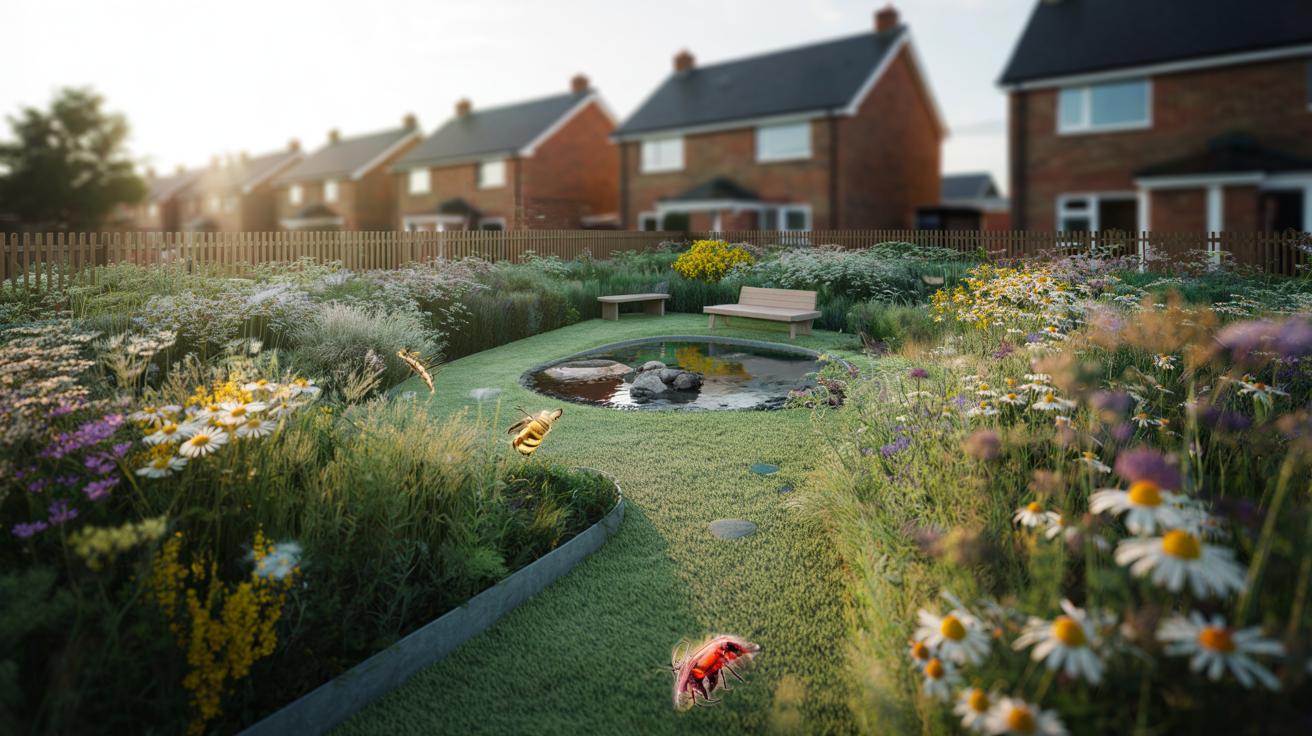
The mini‑meadow is a designed patch—sometimes half a lawn, sometimes most of it—sown or planted with native grasses and wildflowers such as knapweed, yarrow, oxeye daisy, and field scabious. It might be interlaced with a mown path, edged crisply in steel or brick, and punctuated by a low bench. The result is movement and sound: seedheads that rattle in wind, bees that fuss in the heat, finches that arrive in October. It looks free. It is not. The best mini‑meadows are framed to read as intentional landscape rather than benign neglect.
Why the surge now? Three drivers. First, water stress and hosepipe bans make thirsty lawns feel out of step. Second, families want spaces that host life, not just ball games, and kids love the discovery—ladybirds on stems, froglets near a tray pond. Third, social media has democratised planting combinations, turning once‑specialist knowledge into scrollable inspiration. Local councils and charities have nudged the trend too, from “No Mow May” to pollinator campaigns. The upshot is cultural permission: a wild‑looking garden is no longer a guilty secret. It’s the new suburban normal.
The Economics: Time, Water, and Bills
For many households, the pivot is pragmatic. Lawns eat weekends, especially in wet summers when growth surges. A mini‑meadow flips the equation: one spring cut, one autumn tidy, and targeted edits in between. The watering regime softens as well. Deep‑rooted perennials and grasses are drought‑tolerant once established, and the design welcomes dry‑brown interludes as seasonal character rather than failure. In a cost‑conscious year, fewer mower hours, less irrigation, and lower fertiliser use feel like wins that compound. There is an upfront spend—seed, plugs, edging—but it’s often lower than a patio extension or composite deck and delivers year‑round texture.
| Factor | Traditional Lawn | Mini‑Meadow |
|---|---|---|
| Weekly Summer Maintenance | Regular mowing and edging | Spot weeding; path trim only |
| Water Demand | High in dry spells | Low once established |
| Fertiliser/Pesticides | Common for colour and control | Rare; biodiversity‑first |
| Upfront Outlay | Mower, feed, turf care | Seed/plugs, edging, mulch |
| Seasonal Interest | Green uniformity | Blossom, seedheads, winter form |
If numbers help decision‑making, treat the conversion as a one‑off garden project that pays back in labour and water saved. Many households repurpose existing kit—an old strimmer for path maintenance, a hand scythe for the autumn cut—keeping costs down. And because meadows invite low‑noise routines, weekend soundscapes improve too. Neighbours notice, and often copy.
Design Principles That Make It Work in Small Plots
Start with the frame. A wild centre needs a neat edge: steel or brick edging, a mown collar, or a sinuous gravel ribbon. That single decision signals deliberation. Next, pick a seed mix matched to soil and light—chalk downland for thin, sunny plots; clay‑tolerant perennials for heavier ground; shade mixes under trees. Include structural grasses (deschampsia, festuca), mid‑height performers (acher, achillea), and long‑season pollinator anchors (salvia, scabiosa). Complex planting looks effortless when species occupy different heights, bloom windows, and root depths.
Access matters. Cut a serpentine path to a simple seat or fire bowl so the design invites use, not just viewing. Add a micro‑pond—a buried trug or half barrel—plus a log pile for solitary bees. Be ruthless about first‑year edits: remove thugs before they dominate. Where hay fever is a worry, lean into lower‑pollen or insect‑pollinated choices and deadhead certain grasses before peak release. Finally, think winter. Seedheads left standing catch frost and feed birds; a single February trim resets the canvas. Keep the front strip tidy, and even the most conservative street tends to cheer you on.
Social Shifts: From Status Lawn to Living Landscape
The tidy lawn once telegraphed virtue: order, spare time, a decent mower. That code is changing. Families want back gardens that host experience—picnics among flowers, dusk moth‑spotting, children building dens on mown routes. The mini‑meadow aligns with this softer status: care without fuss, richness without waste. There’s a mental health dividend as well. Standing in wind‑moved grass calms the breath in a way hard surfaces rarely do. In an overstimulated age, animated quiet has currency.
Objections exist. Some fear mess, others worry about pests or neighbour complaints. The fixes are design‑led and simple: sharp edges, clear paths, seasonal notes left on a gate for curious passers‑by. If you’re part of a residents’ association, share a planting plan and agree maintenance rhythms. Education helps; when people learn that seedheads feed finches and hollow stems shelter lacewings, eyes soften. And because meadows lower mower noise and avoid chemical smells, even sceptics tend to welcome the change. The culture is catching up to ecology, one cul‑de‑sac at a time.
The mini‑meadow trend isn’t a fad; it’s a recalibration of what suburban beauty looks like in a warming, budget‑conscious Britain. The design is attainable, resilient, and quietly glamorous across seasons, from May’s soft pastels to January’s etched silhouettes. It returns sound and life to the garden, and trades chores for observation. Most of all, it feels like a hopeful gesture—small, local, visible. If your mower could take semi‑retirement and your fence line could hum with life by summer, would you make the switch—and what would your first patch look like?
Did you like it?4.6/5 (25)